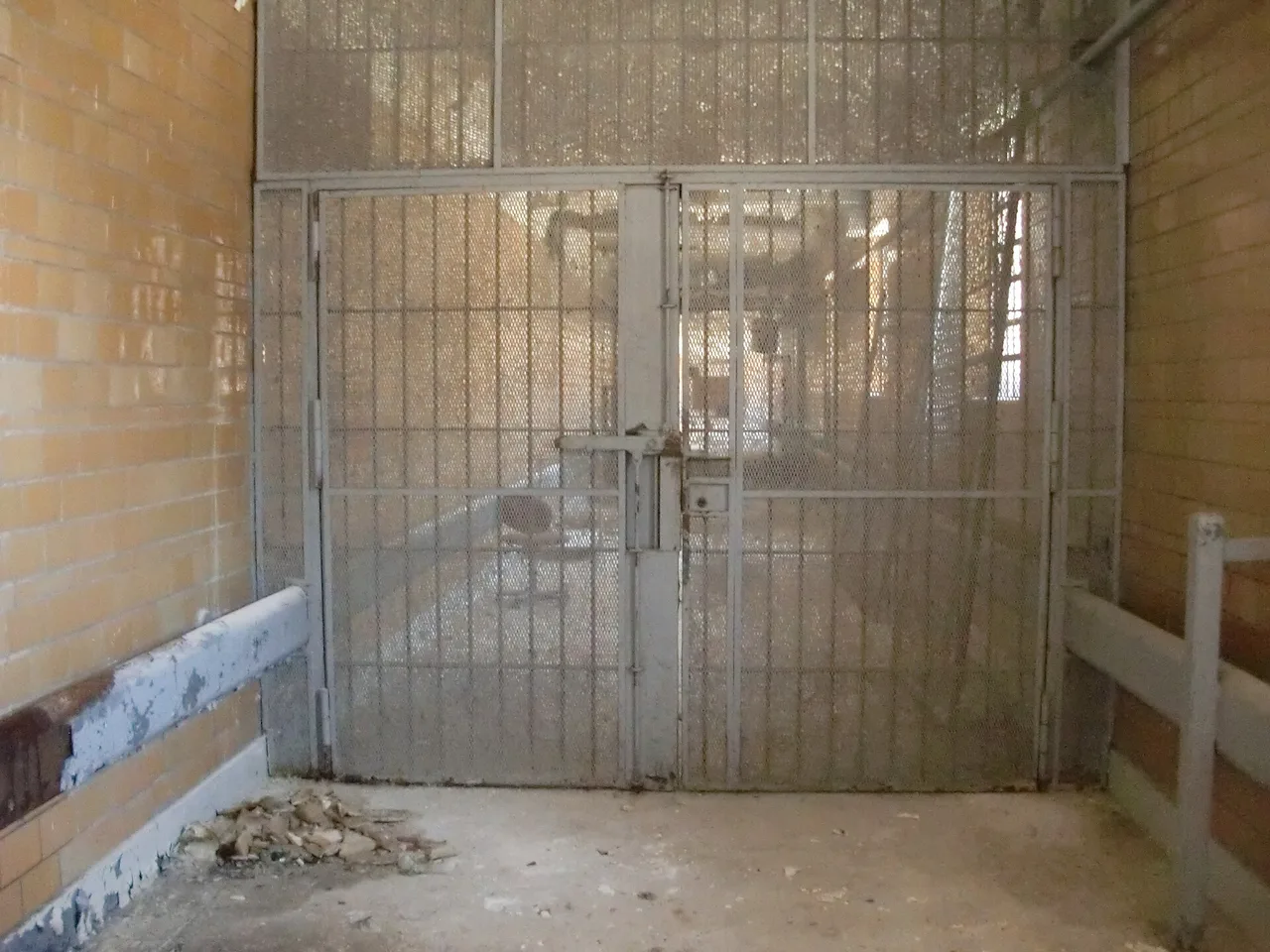
A confined prisoner cannot run, cannot take cover, and cannot leave the room. That is the setting in which Israeli prison guards have shot inmates with rubber bullets in 22 documented cases — 21 of the victims Palestinian, nearly all of them since last autumn, in some cases at point-blank range inside their cells. Physicians for Human Rights Israel (PHRI) and the Public Committee Against Torture in Israel (PCATI), two of Israel's own leading human rights organisations, published the documentation this week; the Associated Press reviewed their files and reported the findings on October 15.
What have the rights groups documented?
The 22 cases are a surge, not a pattern of long standing: the groups say only a handful of such shootings had been documented in the entire decade before. In recent months, inmates have been struck in the legs, knees, stomach and pelvic area, according to PHRI. Several of those shot said they were not treated for their injuries afterwards.
In June, a 45-year-old inmate had to have a testicle removed after it was "completely crushed" by a rubber bullet, according to a report from Soroka hospital, where he was taken. One man was shot after refusing to return to his cell in protest at untreated scabies, his lawyer's notes said. Another was struck in the leg at point-blank range. A former Palestinian detainee, who spoke to the AP on condition of anonymity for fear of reprisal, said he had been shot multiple times over the 30 months he spent in different prisons — most recently in January — that there never appeared to be a reason, and that guards would sometimes come into the cell in the middle of the night and fire at the people inside it. The bullets burned his skin and sometimes caused infection. "I was praying to die," he told the AP. "I felt that it's the end."
What do Israel's own prison rules allow?
Under Israel's prison regulations, guards are allowed to use weapons only when facing imminent risk, said Sari Bashi, executive director of PCATI. The groups say that in many instances the shootings were neither proportionate nor a last resort — not used to stem violence or prevent an escape. "The use of (rubber) bullets against prisoners is a dangerous new development," said Muhannad Abu Ghosh, director of PHRI's prisoners and detainees division. Shooting at detainees, he said, is "becoming another routine form of violence in Israeli prisons". In August, the two organisations wrote to the Israel Prison Service urging it to end behaviour they called "widespread" and "unlawful", and they have called for international inquiries, arguing the accounts point to possible war crimes and crimes against humanity.
The Associated Press was transparent about the limits of its own verification: it reviewed files provided by PHRI — including statements inmates gave to their lawyers and medical reports — and spoke with two former inmates who said they had been shot, but it did not independently confirm all 22 cases.
What does the Prison Service say?
The Israel Prison Service did not respond to the AP's request for comment on the rules governing rubber bullets, on whether they are fired at close range, or on the former detainee's account. In its written reply to the groups' August letter, the service's legal adviser said it saw no reason to stop using rubber bullets in "measured" and "appropriate" ways, and said the service is committed to the safety of its prisoners.
How many Palestinians have died in custody?
The shootings sit inside a larger ledger. PHRI's report of November 2025 documented at least 94 Palestinian deaths in Israeli custody between 7 October 2023 and 31 August 2025 — 52 in military custody and 42 in prisons run by the Israel Prison Service. Fewer than 30 Palestinians died in Israeli custody in the entire ten years before. The deaths, PHRI says, were caused by physical violence, medical neglect, or both; the single deadliest facility was the Sde Teiman military base in southern Israel, with 29 deaths. The group calls the pattern one of "systematic killings and cover-ups": families in many cases were not notified that their relatives had died, access to post-mortems was denied, and the report records a failure to prosecute prison staff and soldiers. PHRI also stresses that 94 is a floor, not a total — Israeli authorities have stopped giving the Red Cross information about detainees and barred it from facilities, and the fate of hundreds of Palestinians taken from Gaza remains unknown. More deaths have been documented since the report closed.
The Israel Prison Service told the BBC it "operates in accordance with the law and under the supervision of official oversight bodies", that all inmates are held according to legal procedures with their rights to medical care, hygiene and adequate living conditions upheld, and that every death in its custody is examined and referred to the competent authorities.
Why are so many Palestinians in prison?
After the Hamas-led attacks of 7 October 2023, Israeli forces rounded up thousands of Palestinians in the occupied West Bank and Gaza, roughly doubling the prison population, according to the legal rights group Hamoked. Some prisoners were released last year under the Gaza ceasefire deal, but Hamoked — working from the prison service's own data — says more than 9,000 Palestinians are still imprisoned or detained, many of them held without charge or trial under administrative detention. The AP has previously reported on abuse, medical neglect and deaths in Israeli custody; guards had used rubber bullets inside prisons before, notably in a large raid on Ofer prison in 2019, but rights advocates say the practice was not common. What has changed, on the documented record, is the frequency — and the setting: men who cannot flee, shot in rooms they cannot leave, by the authority responsible for their safety.