Lebanon has a "ceasefire". It was brokered by the United States and agreed in June. Since it took effect, Israeli strikes have kept killing people in the south near-daily — and across the whole war, which began on March 2, Israeli attacks have killed more than 4,300 people, according to Lebanon's health ministry, in the figure Reuters carried again on October 13. The health ministry does not distinguish between civilians and combatants. It simply counts the dead, and the count keeps rising under a ceasefire in name.
How did this war start — and what was agreed?
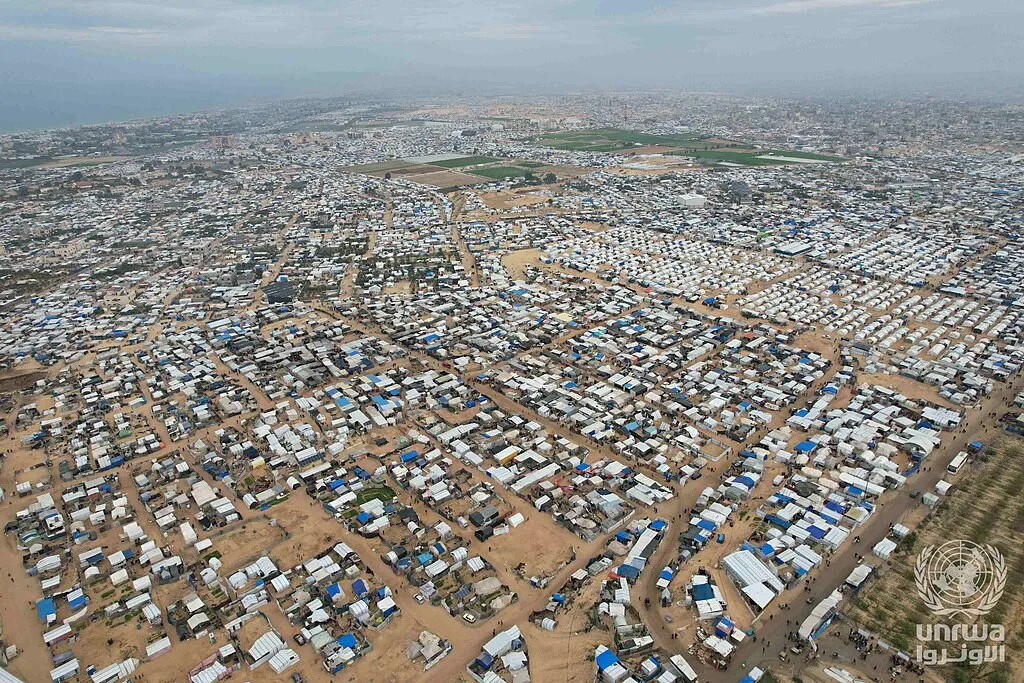
Hezbollah entered the regional war on March 2, firing at Israel in support of Iran days after the United States and Israel began attacks on Iran, Reuters reports. Israel answered with bombardment and invasion, uprooting hundreds of thousands of people — most of them from the Shi'ite communities of the south, Beirut's southern suburbs and the Bekaa. In June, a US-brokered ceasefire with Hezbollah was agreed. But Israel did not withdraw: it kept operating inside what it has declared a "security zone" in southern Lebanon, and kept striking.
What does the "ceasefire" look like on the ground?
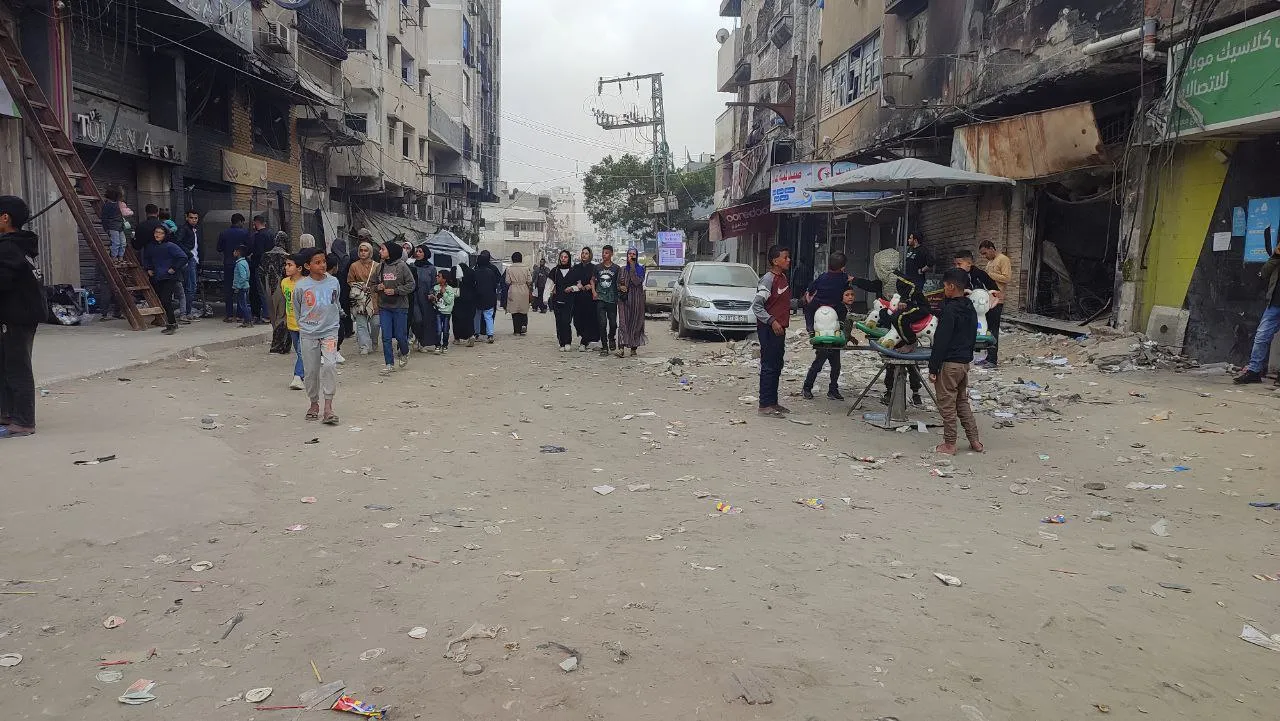
On Sunday September 6, Israeli strikes killed seven people in one day, the health ministry said, in what Israel described as retaliation for Hezbollah drone attacks within the areas its troops occupy. Two men were killed in a town on the edge of the occupied zone; two women were killed in Arab Salim, well north of it; a separate drone strike on Nabatieh al-Tahta killed three more. The Arab Salim strike came with an online evacuation warning — only the second such warning issued since the June ceasefire announcement, Reuters noted; the first came on August 5 for the village of Mansouri, near Tyre, though Israel had already dropped leaflets on Mansouri a week into the ceasefire telling residents to leave. Two girls were among the six people injured in Arab Salim. Lebanon's President Joseph Aoun's office said the strikes destroyed a hospital and damaged a finance ministry building, calling them a dangerous escalation that targeted "purely civilian administrations and health centres", and held Israel fully responsible.
The Friday before Arab Salim, Israeli strikes launched without any evacuation warning killed four people and injured 23 across southern Lebanon, the health ministry said. The Israeli military said those strikes, and Sunday's, hit Hezbollah weapons storage facilities and a command centre inside a building previously used as a hospital, and that it used precision munitions and aerial surveillance to mitigate civilian harm. The claim and the record sit in the same paragraph because that is where they belong: precision munitions, and two dead women in a town north of the zone, and a hospital destroyed.
What has happened this month?
The pattern has not slowed for October. On October 11–12, three non-combatants were killed in strikes in the Bint Jbeil district of the south, according to L'Orient Today. On October 14–15, Israeli strikes hit Haddatha, Al-Mansouri and Kfartibnit; in Haddatha, a four-year-old child was wounded, according to the Lebanese health ministry via the National News Agency. Lebanese officials have also reported continuing demolitions of homes and land-clearing inside southern villages — the war continuing at bulldozer pace between the airstrikes.
Who pays for the ruins?
On October 13, Hezbollah's Executive Council chairman Ali Damoush announced the group's answer to the destruction: up to $14,000 for each family whose primary home was destroyed or rendered uninhabitable — $8,000 for furniture and $6,000 for rent in Beirut and its southern suburbs, $12,000 elsewhere — paid in four instalments over a year, Reuters reported. Reuters had reported the previous week that Hezbollah received $200 million from Iran to help displaced families, citing two people with direct knowledge of the transfer; the United States disputed Tehran's ability to provide the money, Iran has not commented, and Damoush declined to comment on the report.
Meanwhile Lebanon's government is engaged in direct talks with Israel under US auspices — talks Hezbollah has rejected, saying Israel's continued escalation is designed to pressure Beirut. So the ledger stands where Gaza's stands: a ceasefire announced, a toll that rises anyway — 4,300 and counting — and a population in the south that buries its dead, counts its destroyed homes at $14,000 apiece, and waits to learn whether the word "ceasefire" will ever mean the strikes have stopped.