Zelensky names 15 settlements: Ukraine's president on Saturday 21 November proposed temporary localised ceasefires to evacuate civilians from 15 Russian-occupied settlements along or near the Dnipro River — nine in Kherson region and six in Zaporizhia region — and said the updated list has been handed to Ukraine's Ombudsman and the American side, Ukrinform reported. The proposal extends the model of October's Oleshky operation, in which a local ceasefire held long enough to evacuate civilians from the occupied town. The war's wider course is tracked on this site's Ukraine hub and set out in our Ukraine war explainer. Whether any of the 15 missions happens now depends on Moscow: the Kremlin had not responded to the 21 November proposal as the Institute for the Study of War (ISW) wrote.
Which settlements are on the list?
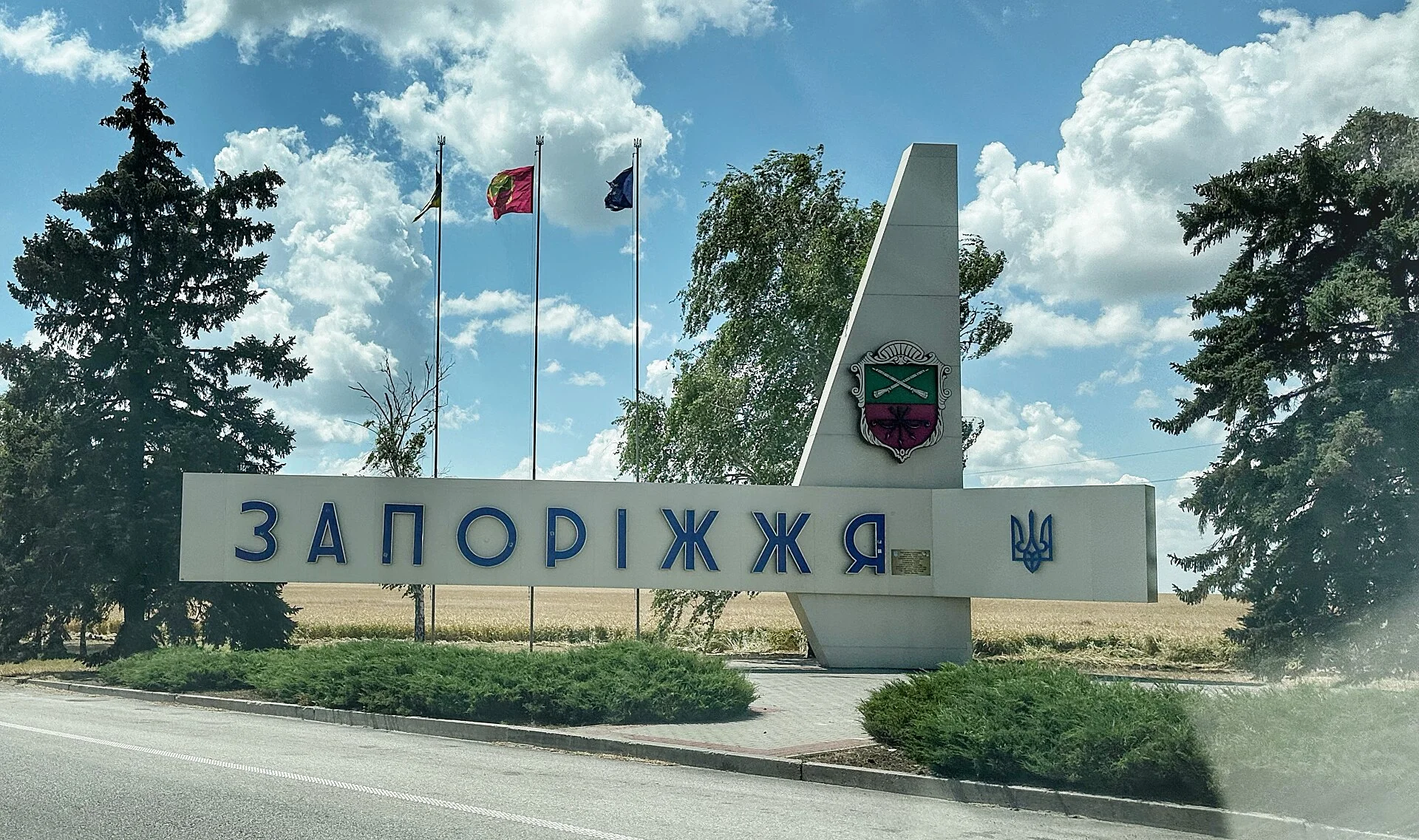
Nine in the Kherson region and six in Zaporizhia, all of them occupied. "The updated list that we handed over to the Ombudsman and the American side is as follows: Oleshky — this has already been completed. Next are Radensk, Kostohryzove, Hola Prystan, Stara Zburivka, Nova Zburivka, Hladkivka, Velyki Kopani, Kardashynka, and Velyka Kardashynka. These are in the Kherson region," Zelensky said, in Ukrinform's report of his announcement to journalists. "In the Zaporizhzhia region: Maiachka, Zlatopil, Dniprorudne, Kamianske, Verkhnia Krynytsia, and Vasylivka," he said. The list is not final: it will be updated as officials assess how many people are in each settlement and what condition they are in, in the towns and villages in the temporarily occupied territories, he said.
Why does the Dnipro make these ceasefires possible?
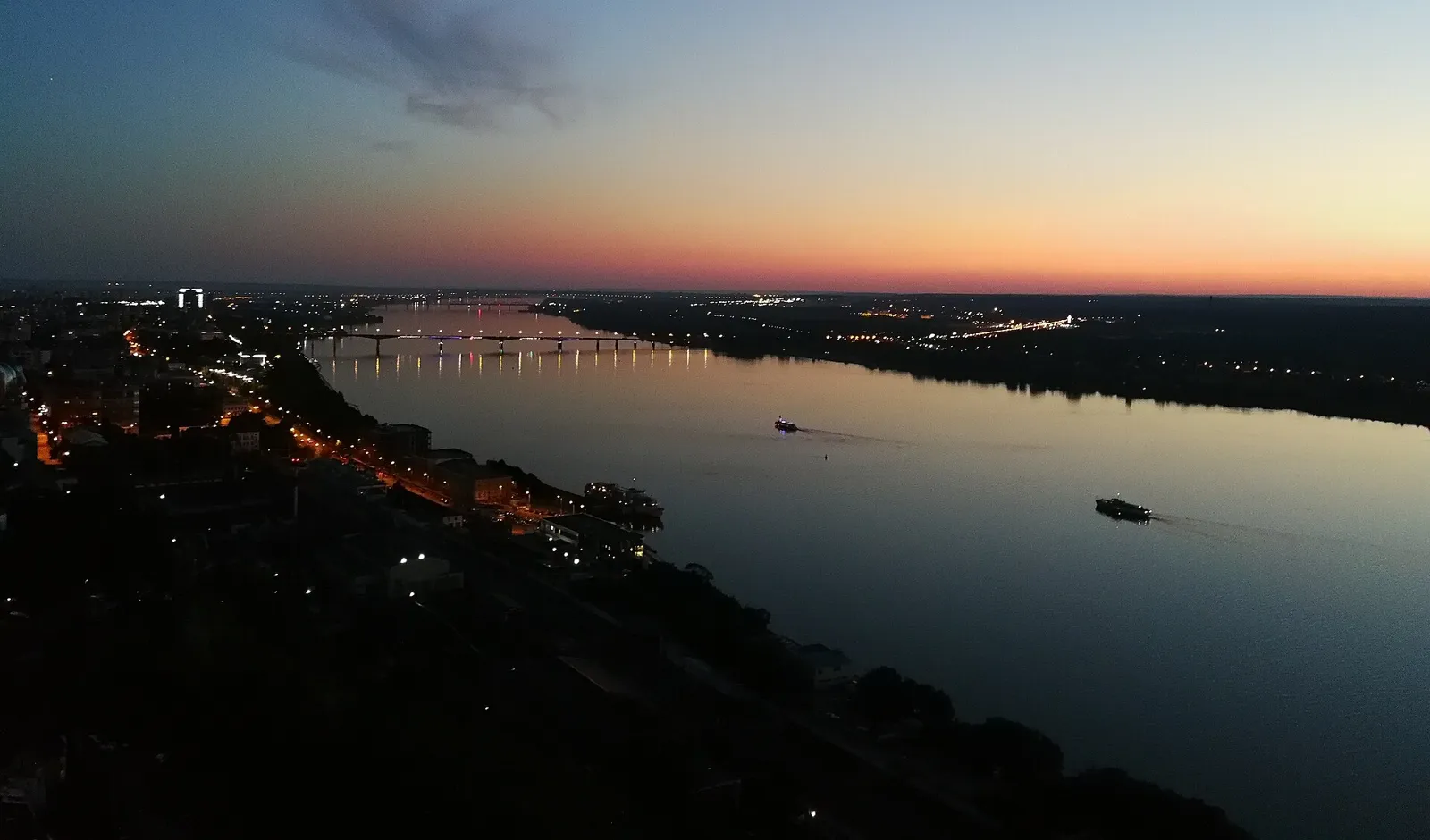
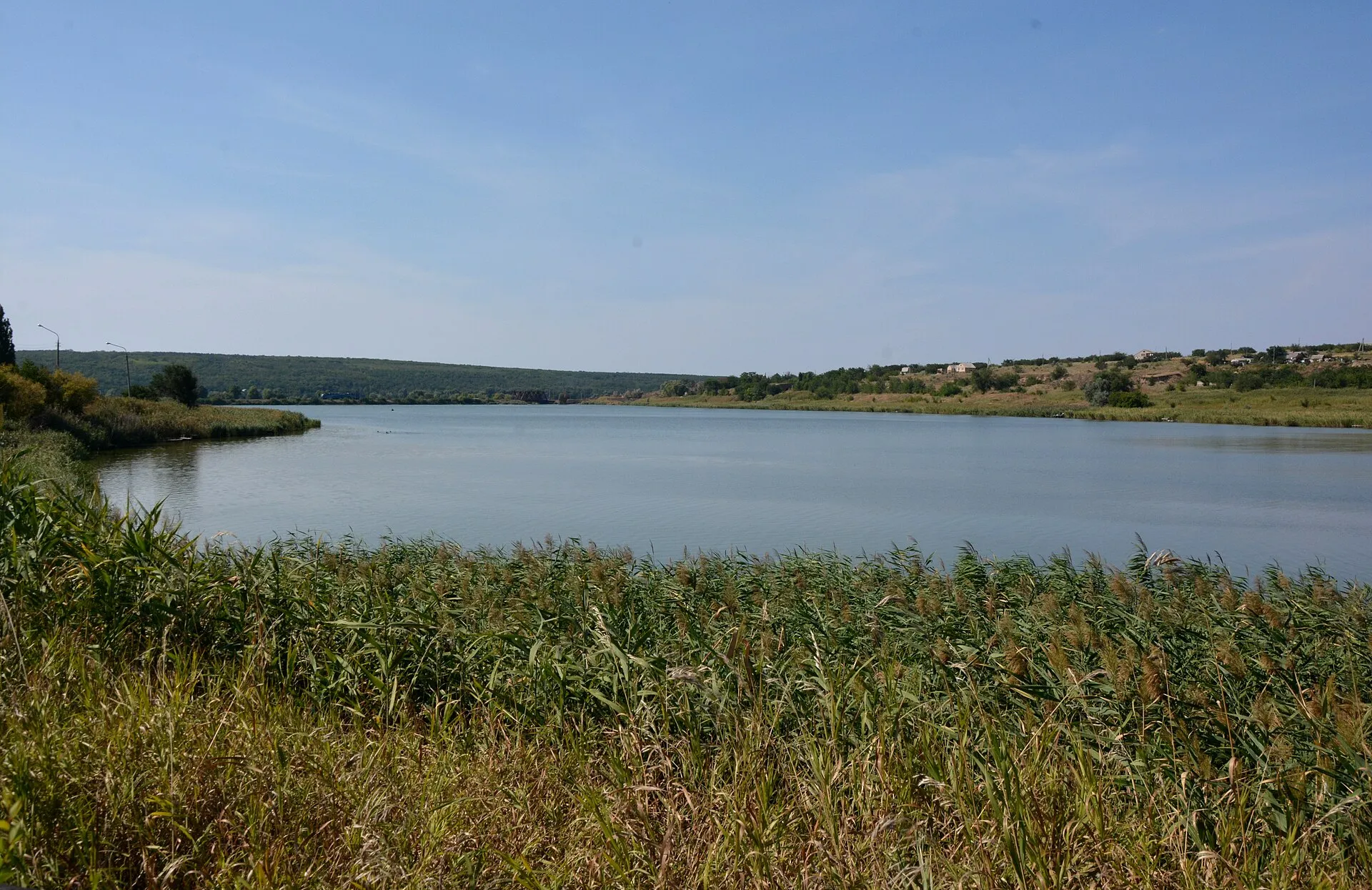
Because the river does the separating that a ceasefire elsewhere would have to enforce. All 15 settlements are either immediately along the bank of the Dnipro River or the Kakhovka Reservoir, like Oleshky, or within several kilometres south of the river in the Russian near rear, ISW assessed. A ceasefire to evacuate civilians is feasible in these areas only because the Dnipro and the reservoir are major water obstacles that prevent active ground fighting across the current lines of control; a pause there would mainly require Russian and Ukrainian forces to agree to stop drone strikes and indirect fire missions across the river, and would have minimal bearing on active ground operations. ISW has long assessed that any ceasefire in Ukraine requires a geographically stable and defensible frontline — and that the geography of the frontline in Donbas does not support one at this time. Neither Russian nor Ukrainian sources reported ground operations in the Kherson direction on 21 November, ISW noted.
What happened at Oleshky, the model for the list?
A local ceasefire held around the occupied city of Oleshky in the Kherson region from 27 October to 1 November to facilitate a humanitarian operation, Ukrinform reported — the operation this site covered as the Oleshky ceasefire began and as aid entered and residents left. Russia and Ukraine conducted that humanitarian ceasefire successfully, evacuating civilians from Oleshky and nearby settlements, and Zelensky has now proposed cooperation to conduct another such ceasefire to evacuate additional settlements, ISW reported.
Has Moscow agreed to any of this?
Not to the 15. The Kremlin has yet to respond to Zelensky's 21 November proposal, ISW reported — and the recent record points the other way: Zelensky noted on 14 November that Ukrainian officials had provided the United States with a list of multiple occupied settlements that would benefit from a humanitarian ceasefire, but the Kremlin had rejected those options. Moscow has its own counter-proposal on the record: the Kremlin previously proposed a ceasefire in Kostyantynivka, in Donetsk region — a settlement where a ceasefire is not possible because Russian forces do not control the city and the front line there is not stable, ISW assessed. The 15-settlement list therefore sits where the Oleshky list once sat: named, costed by Kyiv, handed to the American intermediaries, and waiting on a Russian answer.
Sources: Ukrinform (22 November 2026, read in full via the rostered europesays.com verbatim carrier) for Zelensky's announcement, the full list of 15 settlements, the Ombudsman/American-side handover and the Oleshky ceasefire dates; and the Institute for the Study of War's Russian Offensive Campaign Assessment of 21 November 2026 (Tier 3, read in full) for the proposal's framing, the Dnipro-geography feasibility assessment, the Kremlin's non-response and earlier rejection, and the Kostyantynivka counter-proposal. No Russian response to the 21 November list was carried in the sources opened.