The death toll from a Myanmar military airstrike in Rakhine State climbed to 50 on Tuesday, September 29, after rescuers recovered more bodies — making it the deadliest such attack in the state since December. The strike hit the town of Kyauktaw on Monday, according to the Arakan Army, the rebel group that controls the area, and a local aid worker. Reuters reported it could not independently verify the details.
The attack lands in the middle of a civil war that has ground on since the 2021 coup — a conflict Reuters estimates has killed around 100,000 people and displaced more than 3.5 million.
Key takeaways
- Monday's airstrike in Kyauktaw town, Rakhine State, killed 50 people and wounded at least 58, the Arakan Army said; a local aid worker confirmed the figures to Reuters.
- Arakan Army spokesperson Khine Thu Kha said the military "deliberately targeted densely populated markets, schools, civilians, and residential buildings through airstrikes," and vowed the group would retaliate.
- A Myanmar government spokesperson did not respond to Reuters' request for comment; the military has previously said it "exercises maximum restraint to avoid civilian harm."
- It is the deadliest airstrike in Rakhine since a December hospital bombing that killed at least 30 people.
Contents
What happened in Kyauktaw
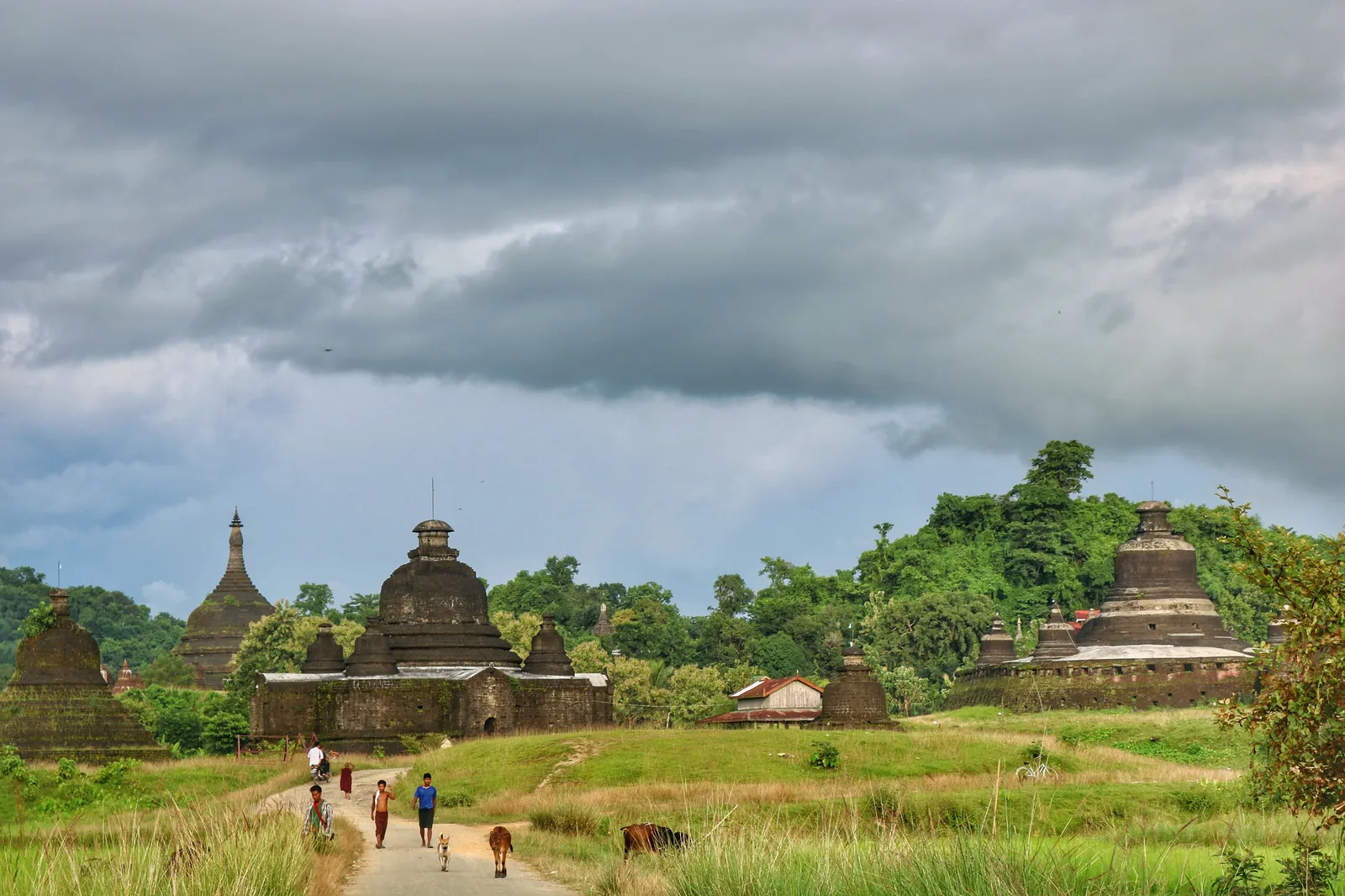
Kyauktaw is a riverside town in the north of Rakhine State, near Myanmar's border with Bangladesh. On Monday, a military airstrike hit near a market there. The first reports, on Monday, put the toll at at least 33 dead and 36 injured; on Tuesday, after rescuers found more bodies, the figure rose to 50 dead and at least 58 wounded, the Arakan Army said.
The numbers were confirmed by aid worker Wai Hun Aung, who has a team operating in the area. He told Reuters that women and children were among the bodies recovered on Tuesday. "This location is quite far from the fighting and has nothing to do with the conflict," he said of Kyauktaw.
The Arakan Army — the ethnic Rakhine armed group battling the military across the state — accused the military of a deliberate strike on civilian life. "The military deliberately targeted densely populated markets, schools, civilians, and residential buildings through airstrikes," spokesperson Khine Thu Kha said. He added that the Arakan Army would use "all available means" to retaliate against the military and anyone involved in the bombing of civilians.

The war in Rakhine State
Rakhine has become one of the decisive fronts of Myanmar's civil war. The Arakan Army is part of an alliance of armed groups that has been fighting the military across multiple frontlines since the February 2021 coup, and it now controls large parts of the state.
The Kyauktaw strike is the deadliest attack in Rakhine since a hospital bombing in December that killed at least 30 people — a sign that the military is leaning harder on air power as it loses ground to ethnic armed groups. Airstrikes near markets and populated areas have become a recurring feature of the conflict, drawing condemnation from rights groups and governments but little change in the military's conduct.
A conflict with no settlement in sight
Myanmar's war shows no sign of winding down. The military government faces a multi-front insurgency it cannot defeat and refuses to negotiate with; the armed groups it faces have grown stronger, better armed, and more coordinated since 2021. For civilians in Rakhine and beyond, the result is a war fought increasingly from the air — with the heaviest costs falling on the towns caught beneath it.
What happens next in Kyauktaw will depend on two things: whether the Arakan Army follows through on its vow to retaliate, and whether international pressure — so far limited to statements and targeted sanctions — meaningfully constrains the military's use of air power against populated areas. Neither is likely to change quickly.
For the wider picture, see our explainer on the [Myanmar civil war](/articles/myanmar-civil-war-explained).