Pakistani airstrikes on two Afghan provinces overnight killed at least 10 civilians, most of them children, the United Nations mission in Afghanistan confirmed on Thursday, in a sharp escalation of cross-border fighting between Pakistan and Afghanistan after roughly three months of relative calm.
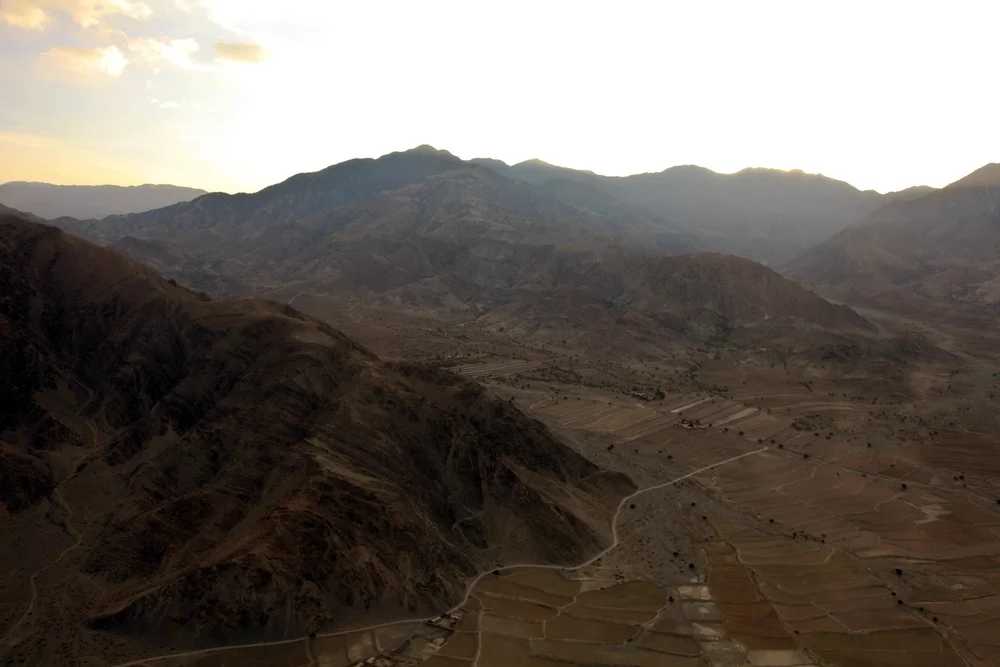
The strikes hit the Chugam area of Shultan district in the eastern province of Kunar and the Safar area of Garmser district in the southern province of Helmand, late Wednesday into Thursday, according to Afghanistan's Taliban government. The Associated Press reported that AP journalists' conversations with residents in Kunar described a strike at around 3 a.m., with survivors digging through rubble and pulling bodies and the injured from destroyed homes.
The UN Assistance Mission in Afghanistan (UNAMA) said it had confirmed that at least 10 civilians were killed, most of them children, and that nine people were injured in the two strikes. "Civilians continue to be affected by cross-border hostilities. UNAMA reiterates its call for de-escalation, dialogue, respect for international law and prevention of further civilian harm," the mission said in a statement.
Kabul and Islamabad tell different stories
Afghan Taliban government spokesman Zabihullah Mujahid said nine civilians, including women and children, were killed and 11 injured, and that three civilian homes were destroyed. "We condemn this act and consider this an act of aggression and a crime that violates all universally accepted principles," he said. Reuters reported that it could not independently verify the Taliban government's figures.
Pakistan's Ministry of Information gave a different account, saying its strikes were "well planned and calibrated" against militant hideouts and camps at two locations, and that "initial reports suggested" 22 militants had been killed, with large quantities of weapons and ammunition destroyed. The AP reported that the militant-death claim could not immediately be independently verified. The ministry said "maximum precautions were taken and it was ensured that no collateral damage occurs," and that its campaign against militants "will continue at full pace."
The two sides' accounts of who was killed could not be reconciled, and no independent verification of Pakistan's militant-casualty claim was available at the time of publication.
A conflict showing no signs of abating
The strikes come amid repeated cross-border clashes between the two countries, and the AP reported that Pakistan has repeatedly carried out airstrikes inside Afghanistan since tensions between the two neighbors spiraled dramatically earlier this year. Reuters described the overnight raids as an escalation after about three months of relative calm.
The underlying dispute is over militancy along the border. Pakistan accuses Afghanistan's Taliban government of allowing militants — particularly the Pakistani Taliban, formally known as Tehrik-e-Taliban Pakistan (TTP), a group separate from but allied with the Afghan Taliban — to operate from Afghan territory and carry out attacks inside Pakistan. "The threat to Pakistan emanates from Afghanistan," Pakistan's Information Ministry said. "Our action precisely targeted the terrorist hubs."
Kabul denies the charge. The Taliban government says it does not harbor militants and that militancy is Pakistan's internal problem.
The civilian cost of the cross-border violence has been rising. Last week, UNAMA said it had documented more than 1,100 civilian deaths and injuries in Afghanistan from cross-border violence so far this year. Pakistan denies striking civilians and says it targets militants; Afghanistan denies harboring militants. With the conflict, in AP's words, "showing no signs of abating," Thursday's strikes mark the latest turn in a dispute neither capital appears willing to de-escalate.