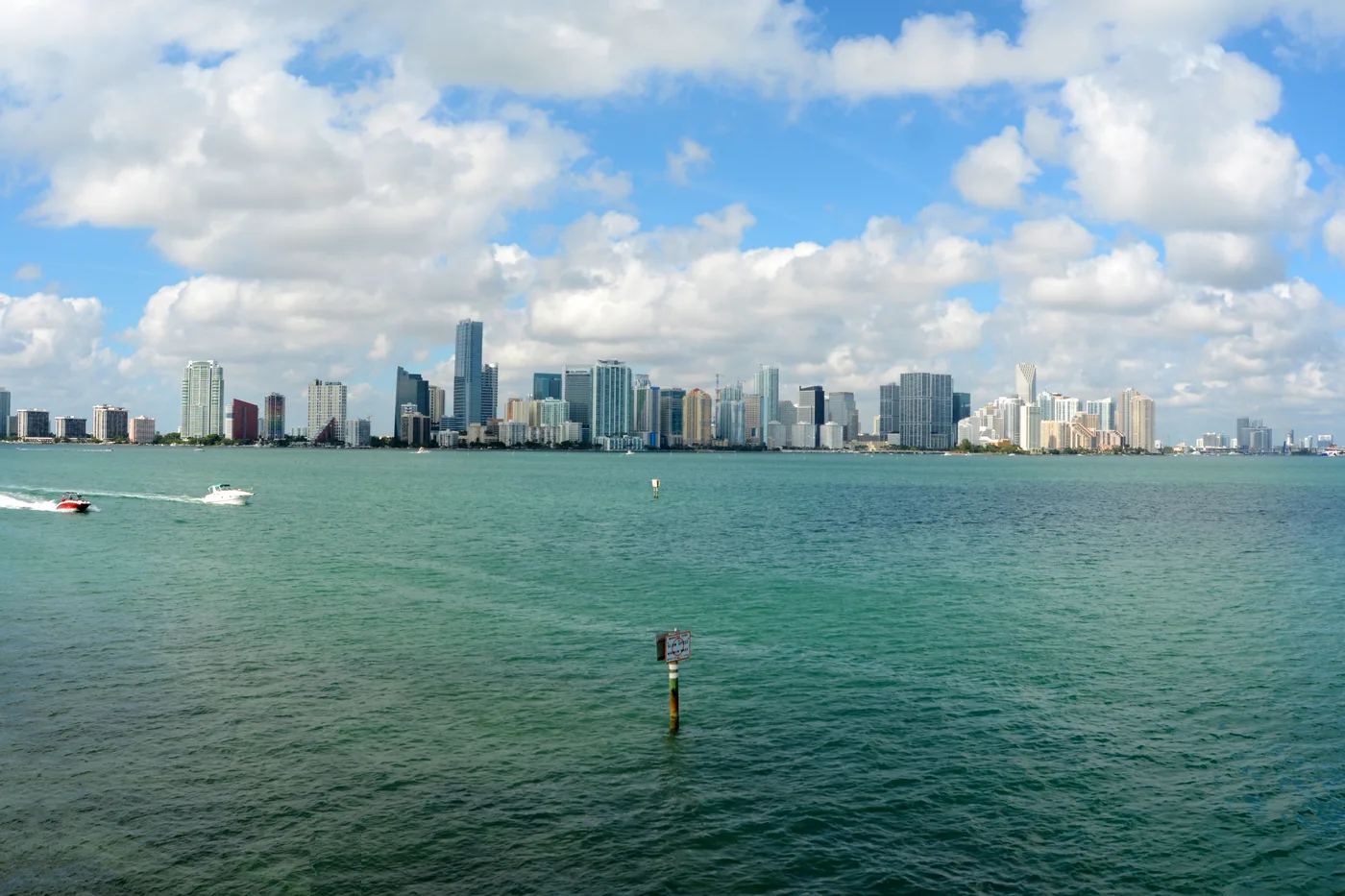
US envoys Steve Witkoff and Jared Kushner will meet Ukrainian representatives in Miami on Friday to try to produce a unified proposal for resolving the war, an American source familiar with the plan told Reuters on Thursday. The meeting comes as Secretary of State Marco Rubio described the conflict as a "dangerous stalemate" — an assessment the Kremlin said on Thursday it agreed with — and as Ukrainian President Volodymyr Zelenskiy said Kyiv expected European partners to join the talks in the coming days.
What is happening in Miami?
Witkoff and Kushner will hold a working session with the Ukrainian side to discuss "new ideas and proposals that American negotiators began developing with the Russians and Ukrainians during their recent visit to the region," the American source told Reuters. The meeting will include representatives from the White House National Security Council and the US Treasury Department.
Ukraine will be represented by chief of staff Kyrylo Budanov, intelligence chief Rustem Umerov, and top negotiator David Arakhamia, according to the source. The American negotiators also invited national security advisers from the United Kingdom, France and Germany, as well as officials from NATO and the European Union.
The expected agenda includes proposals for security guarantees for Ukraine, a post-war prosperity plan, and other aspects of the conflict. The source said the Europeans had told the United States of their frustration with high energy costs and other major financial impacts of the conflict. "It will be a tough winter if the war does not stop," the source said, adding that Washington was trying to mediate with the sides "with the goal of creating a unified proposal."
Zelenskiy said Ukraine's negotiators would hold talks in the United States on Friday and Saturday as part of the US-led effort to seek a settlement of the four-and-a-half-year-old war, and that they would raise the issue of air defences in light of near-constant Russian attacks on Ukrainian cities. More than 70 people have been killed in strikes over the past two days, he said.
Why does Rubio call it a "dangerous stalemate"?
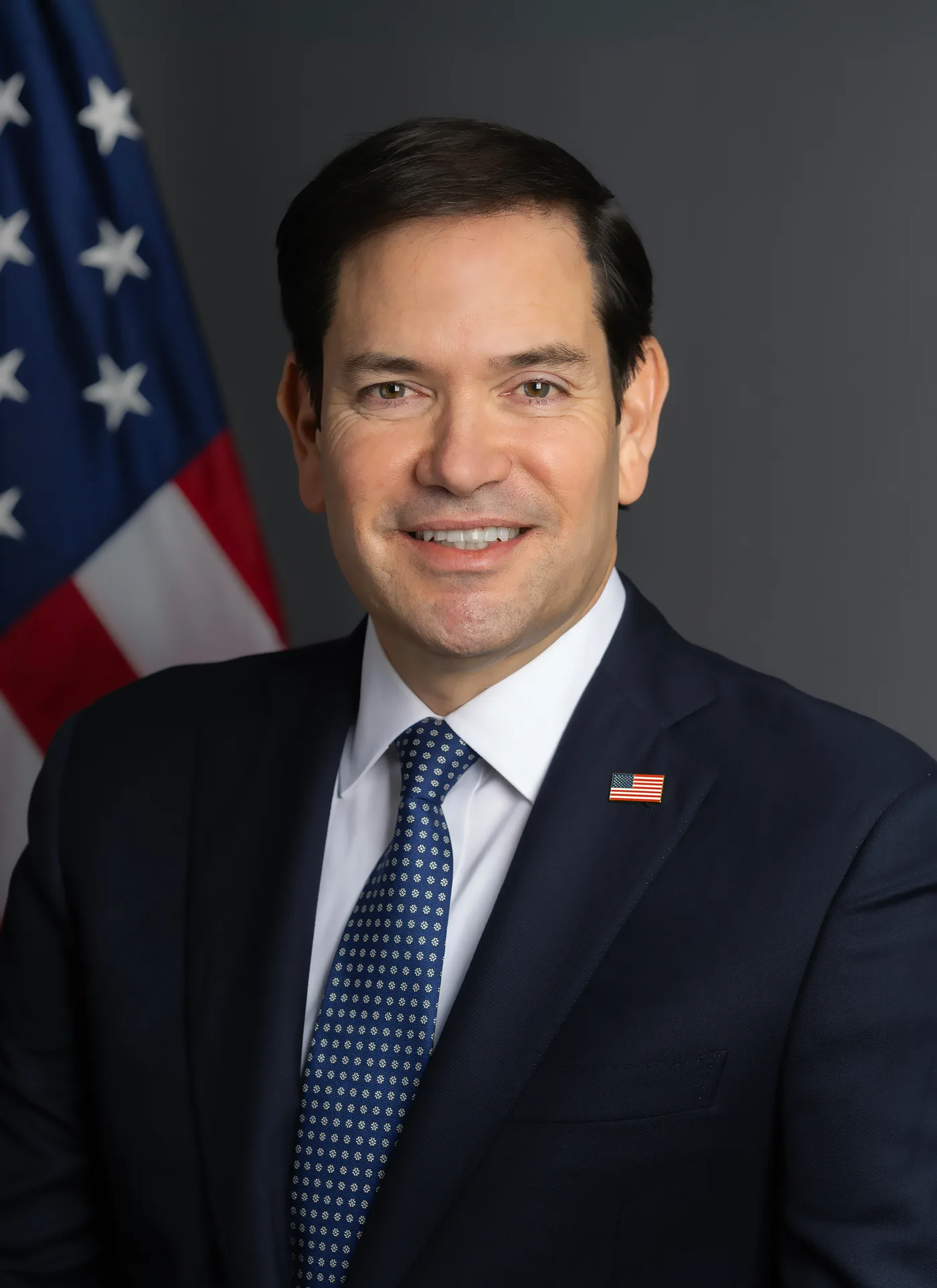
Speaking to reporters in Portugal on Thursday, Rubio said the United States would keep working toward a settlement. "We'd love to see a negotiated settlement to this war that is permanent, enduring, and fair. And that's what we're committed to continuing to do," he said.
But he cautioned that Washington would not invest in futile efforts: "We're also not going to invest in pointless processes if we can't make progress." Rubio warned that escalations this year — including mutual drone attacks that have spread from the battlefield into the economy, hitting refineries, ports, vessels, warehouses and, most recently, data centres — could widen the conflict. He said a sabotage campaign in neighbouring NATO countries was one scenario that "could quickly turn what is a war between two countries into a much broader and far more dangerous regional conflict."
What did Russia say?
Kremlin spokesman Dmitry Peskov told Russian news agencies on Thursday that Moscow agreed with Rubio's assessment. "Yes, we agree with him," Peskov was quoted as saying on the sidelines of a meeting of leaders of ex-Soviet states in Turkmenistan. State news agency RIA quoted him as saying it was up to diplomats to find ways of moving toward peace.
Peskov said he saw no immediate prospect for a three-way summit between Russian President Vladimir Putin, Zelenskiy and US President Donald Trump, and restated Moscow's position that it wanted an overall solution to the conflict rather than temporary measures such as a limited ceasefire. "We are not for a fragmented solution, we are for a comprehensive solution that will allow for sustainable settlement for many, many years, for decades," the agencies quoted him as saying.
Trump said this week he planned to talk to Putin by phone soon, Reuters reported.
Why are the two sides striking each other's data centres?
The talks come as both sides have expanded drone attacks this year on economic targets — energy facilities, refineries, ports, vessels, warehouses and, most recently, data centres, Reuters noted.
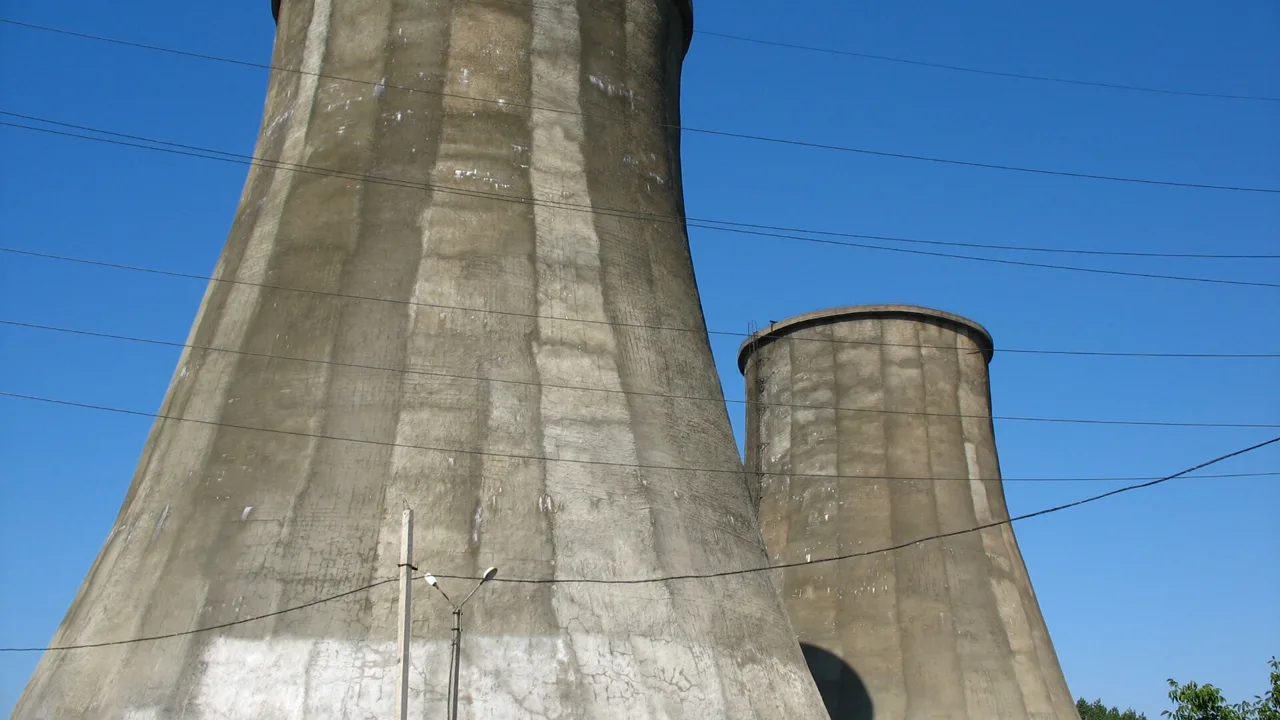
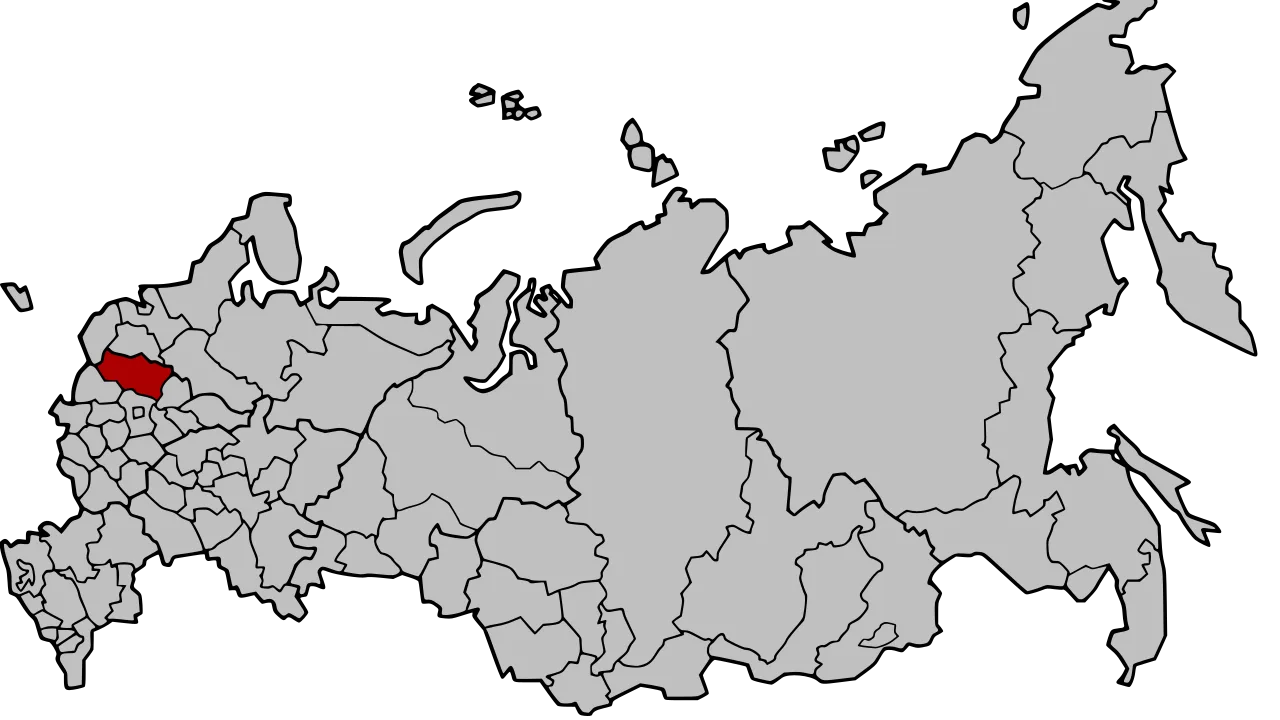
On Friday, Russian technology company Yandex said several modules at its data centre in Russia's Kaluga region had been "completely disabled" by a drone attack — the second such strike in two days — and that some of its services might be disrupted. No one was injured, the company said. On Thursday, a Ukrainian drone hit another Yandex data centre in the Ryazan region, where two of the three supercomputers used to develop the company's AI model are housed.
Russia has conducted a strike campaign against Ukrainian data centres and telecommunications infrastructure over the past month, including targets in central Kyiv. Zelenskiy said Ukraine was answering in kind: "We always respond in mirror-like fashion. You all know, they have been hitting and continue to hit our data centres. We are responding. I can't share all the details."
---
Attribution notes: the details of the Miami meeting and the Europeans' position rest on a single American source speaking to Reuters; the agenda items are expectations, not confirmed outcomes. Casualty figures ("more than 70" over two days) are Zelenskiy's account via Reuters, without independent confirmation in these wires. The "dangerous stalemate" characterization is Rubio's; the Kremlin's agreement with it is Peskov's statement as reported by Russian news agencies via Reuters.
This is a developing story.