FRN fighters captured Bitale and the centre of Bulambika on 8 November in an offensive along National Road 3, conflict monitoring reports said — the latest fighting in an east where two peace processes have yet to deliver security, Al Jazeera reported on Wednesday. DR Congo's peace efforts are running on two tracks — the Washington Accords with Rwanda and the Doha process with the AFC/M23 — while the fighting in North and South Kivu continues on a third, between the Congolese army and the Front for the Refoundation of the Nation (FRN), an armed and political coalition led by former President Joseph Kabila. Residents of the east say the diplomatic initiatives meant to end years of conflict are becoming increasingly difficult to reconcile with the violence unfolding around them, and the African Union has acknowledged the core problem in its own words: implementation of the commitments under both processes remains limited.
What are the two peace processes meant to do?
The Washington Accords, signed in December 2025, address tensions between the DRC and neighbouring Rwanda, while the Doha process addresses the conflict between the Congolese government and the Congo River Alliance (AFC), which includes the Rwanda-backed M23 armed group — two different halves of the same war, and that division is the first weakness. As Al Jazeera puts it, the distinction is important: an agreement between Kinshasa and Kigali cannot, on its own, resolve the confrontation between the Congolese government and armed groups operating inside the country.
The Doha track has the fuller paper trail. The Doha Framework for a Comprehensive Peace Agreement was signed by the DRC government, the AFC and M23 on 15 November 2025. In August 2026, representatives of the two sides, alongside Qatar, the United States, Togo, the African Union Commission and Switzerland, agreed on a road map to advance negotiations and establish a mechanism to review implementation. Fighting has nevertheless continued. Behind both processes sit the conflict's deep roots: the 1994 genocide in neighbouring Rwanda and the flight of former Rwandan soldiers and militia members into what was then Zaire, the emergence of the Democratic Forces for the Liberation of Rwanda (FDLR), the First and Second Congo Wars that began in 1996 and 1998, and continuing disputes over land, political representation, citizenship and control of natural resources. M23 itself emerged in 2012 after a mutiny by former members of the National Congress for the Defence of the People, who had been integrated into the Congolese army under a March 23, 2009 peace agreement their leaders later accused the government of failing to honour.
What changed in October, and what happened in November?
The diplomatic landscape became more complicated in October 2026, when the FRN was established under Kabila's leadership. The new coalition says it has succeeded the AFC and assumed its commitments — which makes the precise relationship between the FRN and the earlier AFC/M23 structure central to assessing who is actually represented in the negotiations.
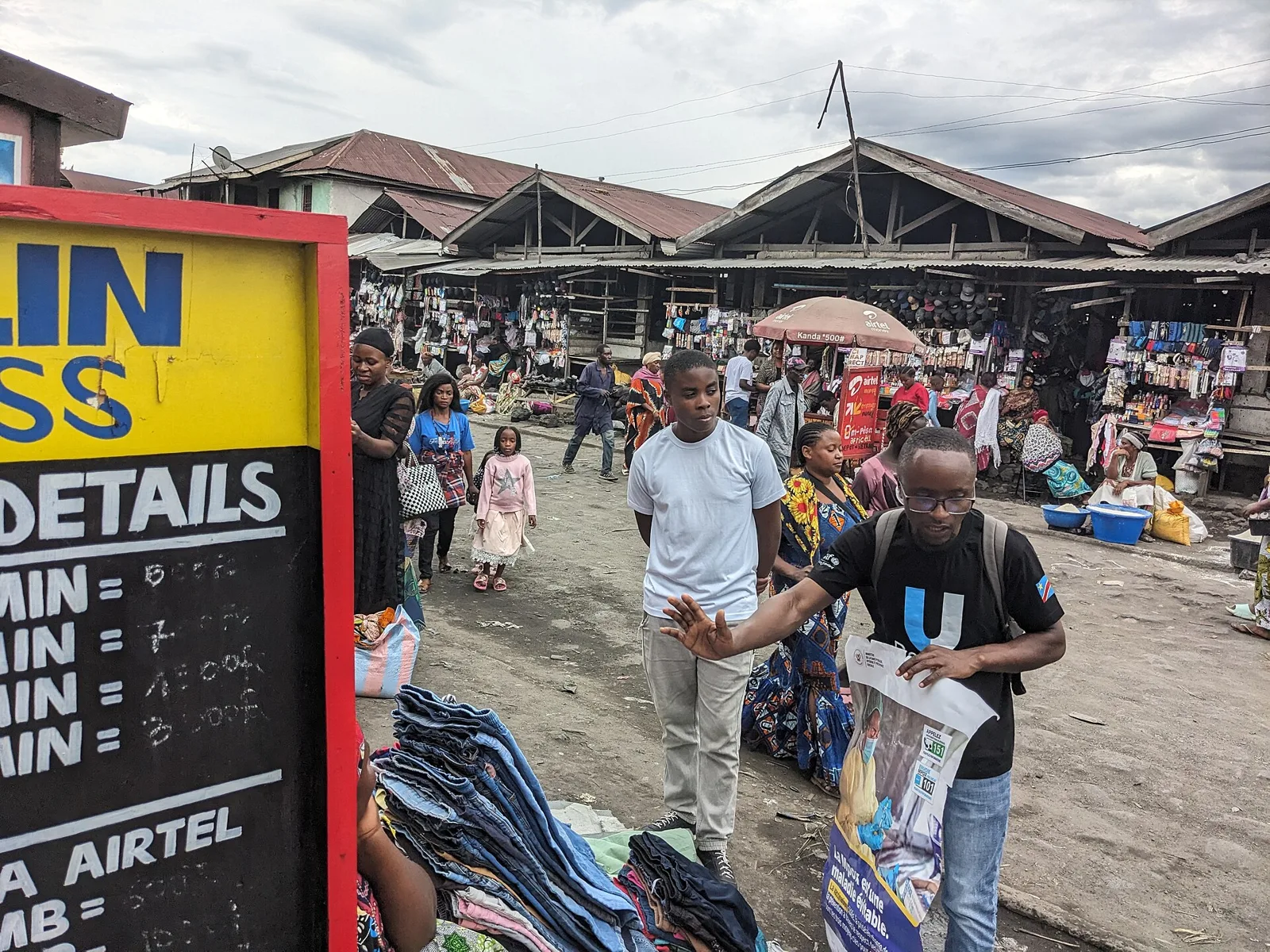
On the battlefield, an offensive in early November underlined the fragility of the process. FRN fighters advanced through Kahuzi-Biega National Park and along National Road 3, a strategic route linking Bukavu with areas farther north. Conflict monitoring reports said the fighters captured several localities, including Bitale and the centre of Bulambika on 8 November. The Congolese army said it had halted the advance at Bulambika and was preparing a counteroffensive, and local and military accounts differed over the extent of the fighters' territorial gains — a limitation stated in the reporting itself. The fighting has driven further displacement, and Doctors Without Borders (MSF) said it had reduced its staff presence in the Bunyakiri health zone, relocating some personnel to Bitale and Bukavu as the security situation deteriorated. "We remind all parties to the conflict of the importance and the obligation to respect and ensure the protection of healthcare facilities, civilian populations and humanitarian staff, in accordance with international humanitarian law," MSF said in a statement sent to Al Jazeera.
What do the army, Rwanda and the AU say?
The FARDC blames the Rwandan army and FRN-allied fighters for recent attacks in North and South Kivu, Rwanda denies supporting armed groups in the east, and the AU says implementation of both peace processes remains limited — each position published here as the claim it is. The Congolese armed forces, the FARDC, say they are preparing operations to recover lost positions. Rwanda denies supporting armed groups in eastern DRC, citing the presence of the FDLR as a security threat. The UN Security Council's own position, in a resolution adopted in February 2025, condemned M23's offensive and described direct support and participation by the Rwanda Defence Force, calling on Rwanda to end its support and withdraw its forces; the same resolution condemned support provided by Congolese forces to armed groups, particularly the FDLR, and called for the group's neutralisation.
The AU's assessment points to the central weakness of the peace efforts: agreements and diplomatic meetings have not translated into a sustained improvement in security. In its communique after the 26 October Peace and Security Council meeting, the bloc called for better coordination between the Washington and Doha initiatives and urged inclusive, nationally owned dialogue, stressing that a lasting settlement requires political dialogue involving wider sections of Congolese society, including women, young people and civil society organisations.
What are residents asking for?
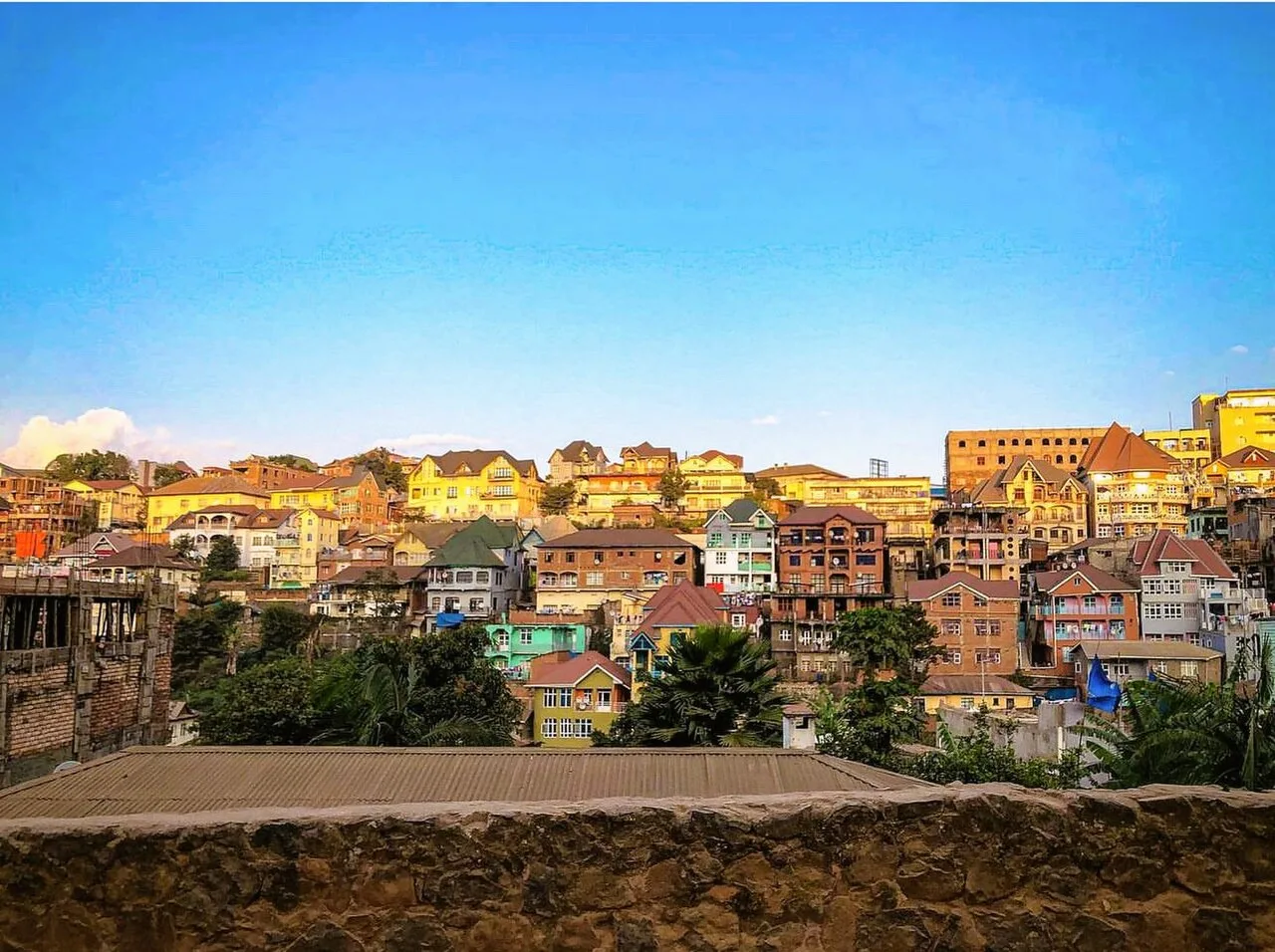
Not another round of the same talks. "One meeting follows another, and they all end up being much the same," said Blaise Chasumba, a resident of Bukavu, the South Kivu provincial capital. "But the real peace that the warring parties are dangling before us is far from becoming a reality on the ground. We continue to lose our loved ones and our homes." Chasumba added that people are waiting for those responsible for the destruction to address their losses: "We are eager to see compensation for the damage caused by the war. Unfortunately, at this rate, we can see that we are in for a long-running saga, full of twists and turns."
Dieumerci Mungu Akonkwa, North Kivu coordinator for Action for Democracy and Development in the Congo, said the negotiations had yet to produce tangible improvements for civilians: "Since these negotiations began on the ground, there has been no progress. All that is happening is that the lives of peaceful civilians are being cut short. The war continues to create displaced people, and women are being raped." Akonkwa called for an inclusive national dialogue, pointing to proposals put forward by Catholic and Protestant church leaders, which could bring political actors and civil society into discussions beyond the government-armed group track. For residents, as Al Jazeera concludes, the immediate measure of progress is simpler: whether the fighting stops, essential services remain available, and families can return home.
Sources: Al Jazeera (Bukavu, 18 November 2026, Tier 2; read in full via montageafrica.com, which carries the Al Jazeera report verbatim under its byline, and verified during this run's cabinet review against a second independent verbatim carrier, stluciachronicle.com, opened in full with identical text). This is an analysis of a diplomatic process, resting on a single Tier 2 report opened in full; it publishes no casualty figures, and every contested claim in it — the FARDC's blame of the Rwandan army and FRN-allied fighters, Rwanda's denial, and the extent of the FRN's November gains — is published as the attributed claim it is in the source, with the source's own limitation (that local and military accounts differed over the gains) carried in the body. No markets snapshot box is included: the report contains no market figures.