Russian bombs struck a residential area of Ukraine's northeastern city of Kharkiv on Monday, October 5, 2026, killing at least five people and injuring more than 50, regional governor Oleh Syniehubov said — the deadliest single strike on Ukraine's second-largest city in recent weeks. Hours earlier, spillover from the Russian attack campaign reached across the border: a projectile ricocheted at the Palanca crossing between Moldova and Ukraine, slightly injuring a Moldovan border guard and forcing authorities to suspend operations there.
What happened in Kharkiv?
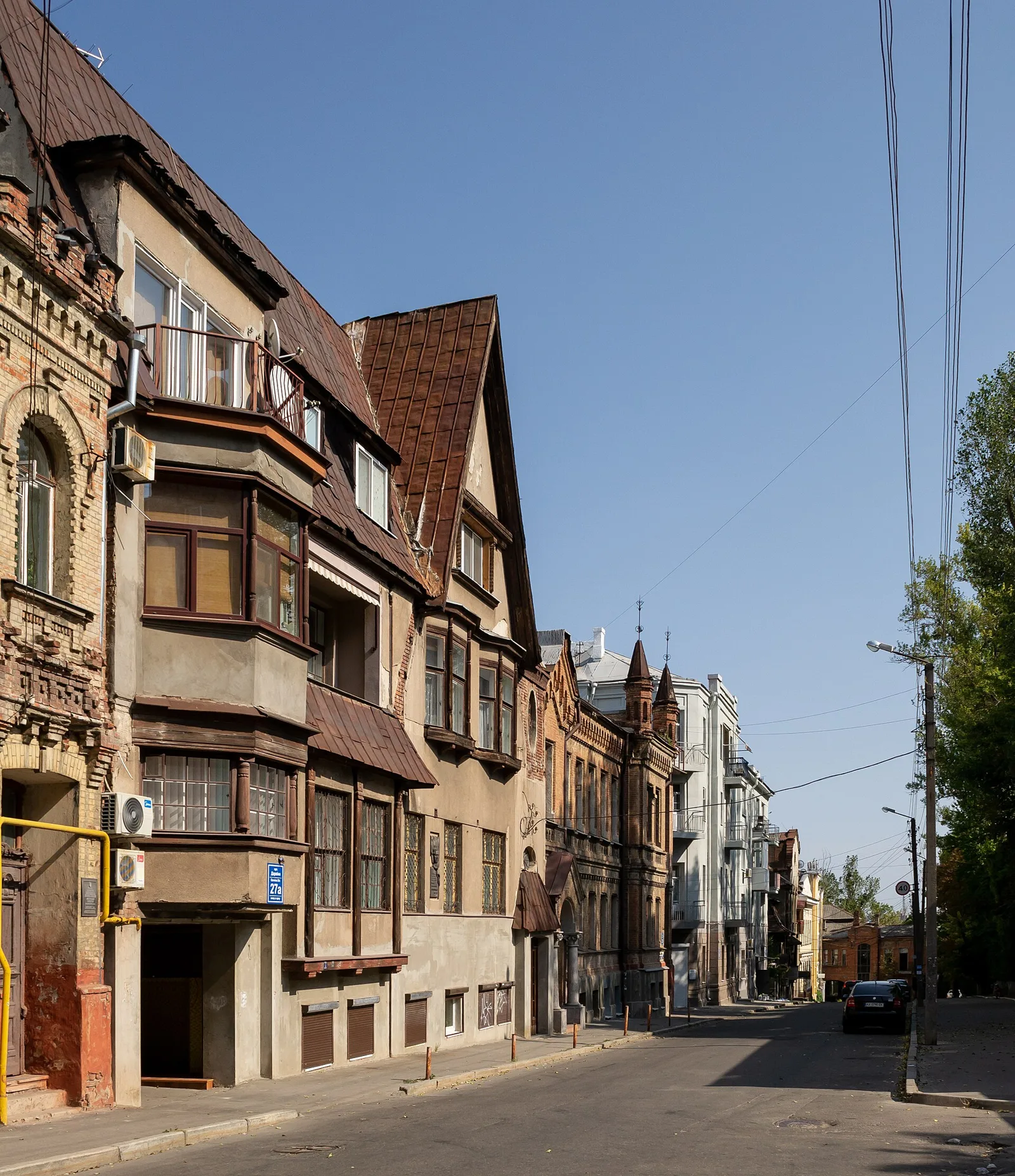
Three bombs hit different areas of the city, Syniehubov said on Telegram. Facades and balconies on residential apartment buildings were badly damaged, apartments inside were smashed, and warehouses were also hit. Mayor Ihor Terekhov said emergency crews had recovered two bodies from rubble. Of the 53 injured, 30 were treated in hospital, three in serious condition; three of the injured were children. Later updates to the same Reuters wire put the toll at six killed and 59 injured. Dawn News English, citing the mayor, reported five killed in and near a residential building in the Slobidskyi district.
The Kharkiv strike was not the only attack on civilians on Monday: a Russian drone struck an apartment building in the southern city of Zaporizhzhia, triggering a fire and injuring three people who were initially trapped on the building's ninth floor, regional governor Ivan Fedorov said. And one person was killed in Sloviansk, one of several front-line cities in the Donetsk region that Russian forces are trying to capture in their slow westward advance through the Donbas.
What happened at the Moldova border?
At about 9:38 a.m. local time on Monday, a projectile ricocheted after hitting the ground and struck a route bus parked near the barrier at the Palanca–Maiaky–Udobne border crossing, Moldova's Border Police reported. The impact damaged the bus and a border control booth, and one Border Police employee sustained minor injuries. No other casualties were reported.
Operations at the joint crossing were suspended while authorities assessed the scene; traffic heading toward Palanca was stopped at the junction of the R30 and R31 highways and redirected toward the Tudora crossing. The Border Police said the type of projectile had not been immediately identified, and urged residents to avoid the area and rely only on official information. The Institute for the Study of War described the projectile as a Russian drone and called the guard the first confirmed Moldovan injured by Russian drones — an assessment, not an official Moldovan finding.
Why does it matter?
The Kharkiv strike lands in a campaign Russia explicitly said it would escalate: on Sunday, the Russian Defense Ministry said it would intensify strikes on Kyiv and other parts of Ukraine, responding to Zelenskiy's pledge in a Reuters interview to double down on attacks against Russian oil refineries. Russia launched 205 drones against Ukraine overnight, per the Institute for the Study of War, and the recent campaign has hit Kyiv's Dnipro bridges, Odesa's port infrastructure and now Kharkiv's residential districts.
The Palanca incident adds a cross-border dimension that Moldova has faced repeatedly: the war's spillover is landing on Moldovan soil, this time injuring a uniformed border guard — a marked escalation from the debris and airspace violations reported in earlier attacks.