Ukraine's president accused Russia on Monday of breaking the energy ceasefire that Donald Trump announced a day earlier, citing a Russian strike on a thermal power plant in Kharkiv, while European Union ministers approved a large new round of sanctions listings against Russia's military-industrial complex. Volodymyr Zelenskiy said Kyiv was still waiting for the detailed terms of the arrangement between Washington and Moscow, and for a concrete US step to make Russia comply.
What did Zelenskiy accuse Russia of doing?
Zelenskiy told a conference in Warsaw, appearing by video link, that Russian forces had violated the announced truce, Reuters reported. He pointed to continued strikes on Ukrainian energy sites, including the Kharkiv thermal plant hit on Sunday evening after Trump's announcement. Ukraine had carried out no attacks on Russian refineries overnight, he said, and Kyiv's condition remained reciprocal: if Ukraine is to suspend strikes on Russian energy facilities, Russia must stop hitting Ukraine's energy system and critical infrastructure.
Russia had not commented on the accusation at the time of the Reuters report. The strike claims themselves rest on Ukrainian officials' accounts, reported by Reuters; no independent confirmation of each strike was available.
What did residents and officials in Kharkiv report?
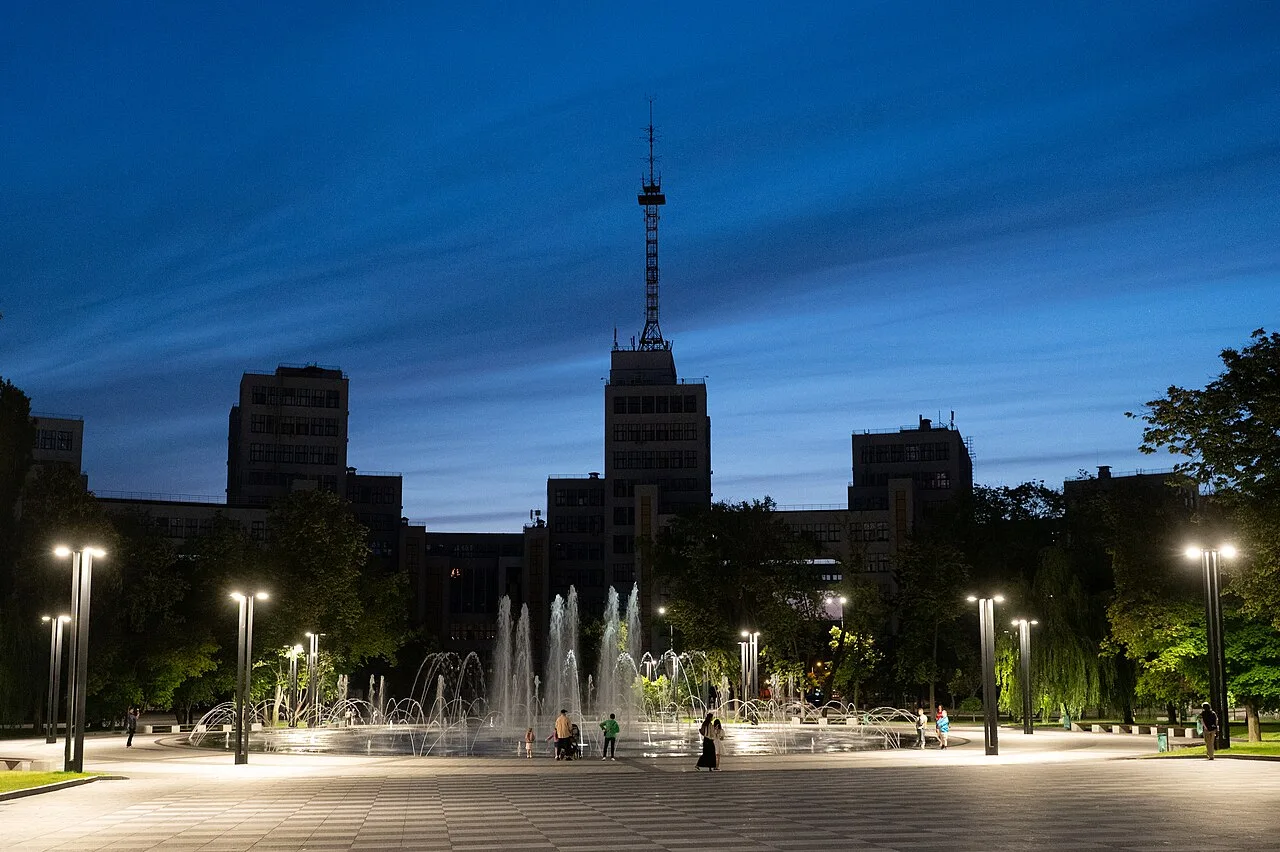
Ukrainian officials said Russian attacks killed six people in two cities on Sunday, Reuters reported. In Kharkiv, a resident described reaching a shelter moments before a nearby missile strike and watching a thermal plant burn. Mayor Ihor Terekhov said at least 12 people were wounded in further Russian attacks on the city on Monday morning. Those casualty figures are Ukrainian officials' accounts as reported by Reuters and have not been independently verified.
Residents of Kyiv interviewed by Reuters were sceptical that the announced truce would hold, saying past understandings reached during negotiations had repeatedly failed to stop Russian attacks.
What did the European Union do on Monday?
EU foreign ministers meeting in Luxembourg adopted nearly 1,600 new sanctions listings aimed at Russia's military-industrial complex, EU foreign policy chief Kaja Kallas said, with more than half of the listings connected to the ballistic-missile production chain, according to Reuters. Kallas said it remained unclear whether Russia would honour the energy arrangement, and argued that a ceasefire should also mean people not being killed. She urged Washington to put its own sanctions in place to help end the war.
France's President Emmanuel Macron said he had seen no sign over the previous 48 hours that Russia was respecting any form of energy ceasefire, Reuters reported. Germany's Europe minister Gunther Krichbaum said he expected the United States to remain a reliable partner.
Reuters also reported, citing a person familiar with the situation, that the United States had raised the prospect of cutting intelligence sharing and European purchases of US weapons for Ukraine under the PURL mechanism as pressure on Kyiv over its refinery strikes. That account is single-sourced and is presented here as Reuters' reporting, not as a confirmed US decision.
What did the Kremlin say about a 60-day ceasefire?
The Kremlin on Monday rejected Zelenskiy's proposal of a 60-day total ceasefire that would allow Ukraine to organise presidential elections, Reuters reported in a separate dispatch. Zelenskiy had made the offer on ABC's "This Week" on Sunday, after Trump urged Ukrainians to replace their leader and warned Kyiv to stop attacking Russian refineries.
Kremlin spokesman Dmitry Peskov told reporters that Moscow wanted a long-term peace settlement rather than a temporary ceasefire, restating the Kremlin's position that it does not want a ceasefire as an end in itself. Russia has long argued that Zelenskiy's failure to hold elections makes him illegitimate; elections during wartime are prohibited under Ukrainian law, Reuters noted.
Why does the dispute matter now?
The exchange leaves Trump's announcement in an uncertain position: the US president said both sides had agreed to stop attacking each other's energy infrastructure, but Ukraine says Russian strikes continued, Russia has not confirmed the arrangement, and the Kremlin has publicly rejected the related idea of a temporary ceasefire for elections. Trump had previously announced a similar energy truce in mid-September that neither side confirmed, Reuters reported. With winter approaching, the state of Ukraine's power and heating system — and whether any pause in strikes actually takes hold — remains the central practical question.
This is not financial advice. Casualty figures are Ukrainian officials' accounts reported by Reuters, with the limitation stated in the text. The violation claim is Ukraine's accusation; Russia had not commented in the reporting opened for this article.