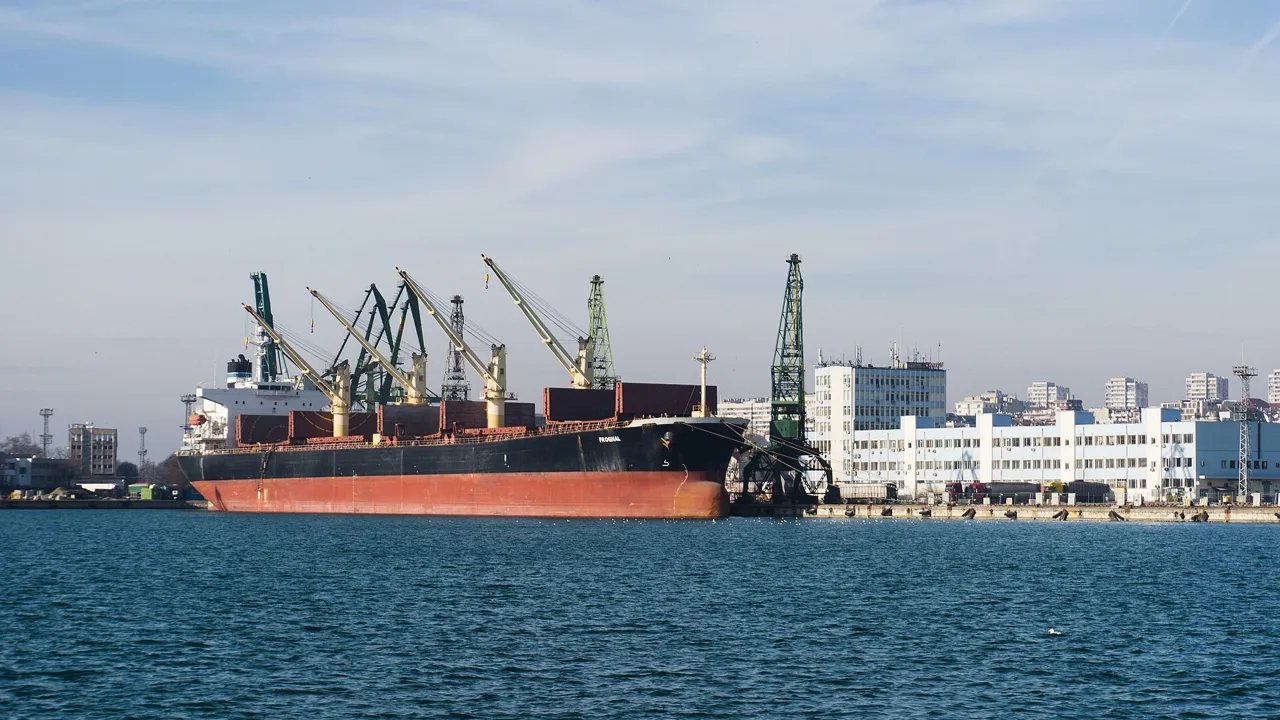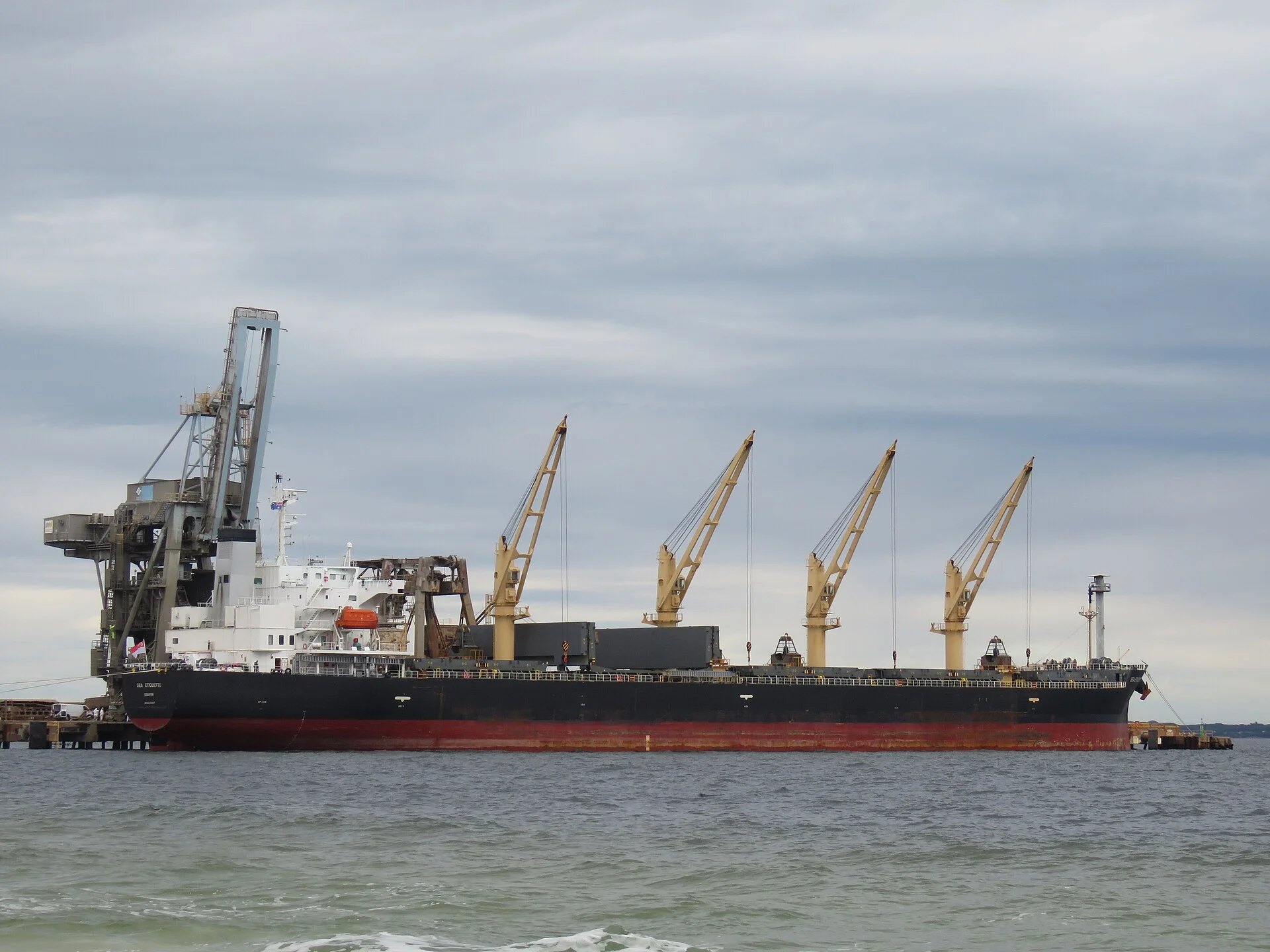
Drones struck two merchant ships in Bulgaria's exclusive economic zone in the Black Sea on Tuesday, October 6, 2026 — sinking one vessel whose crew is missing and setting the other ablaze — in what Prime Minister Rumen Radev denounced as "absolutely unacceptable" and a "gross violation of international law." The attack was carried out by a combination of aerial and maritime drones at about 3 a.m. local time, roughly 70 nautical miles (130 km) east of the coastal town of Byala.
What happened?
The two vessels were the Togo-flagged general cargo ship Alfa Watan and the Palau-flagged general cargo ship Able, according to Bulgarian authorities and maritime security reporting. The Alfa Watan suffered critical structural damage and sank at the scene. Bulgarian authorities launched a major search-and-rescue operation, but no crew members had been found; rescuers reported finding an overturned lifeboat, life rafts and life jackets floating near the scene. Prime Minister Radev did not specify how many people were aboard.
The Able, which was carrying wheat and sailing south, caught fire after the attack. A Bulgarian ferry and a naval fast boat evacuated all 18 of its crew members, Reuters reported. Two sailors suffered serious injuries — burns and a head injury, per local reporting — and were flown to a hospital in the port city of Varna. Authorities were also monitoring the area for possible oil spills or other environmental pollution.
Why does this matter?
Shipping sources said it appeared to be the first such attack in the waters of Bulgaria's exclusive economic zone — NATO-member waters, about 140 nautical miles from the Ukrainian coast. Maritime security firm MARISKS, in an advisory to captains and operators, called the strikes "a significant escalation in the threat to commercial shipping in the western Black Sea" and warned that incidents appeared to be expanding geographically beyond waters immediately adjacent to Ukraine and into the exclusive economic zones of NATO members Romania and Bulgaria.
The dual strike came a day after a separate vessel caught fire and sank off the Romanian coast — an incident covered in an earlier report on this site. Black Sea commercial shipping has been heavily affected by the Russia-Ukraine war in recent months, and Prime Minister Radev warned that the war was expanding geographically and increasing the risk of a wider conflict.
The attack also lands directly on shipping economics: Radev said the incidents were "seriously disrupting shipping in the Black Sea, driving up insurance costs even further and making shipping extremely difficult." Ukraine's foreign minister Andrii Sybiha wrote on X that Russia was making navigation a challenge, driving up risks, insurance and transport costs, and threatening the flow of food to global markets. European Commission President Ursula von der Leyen also condemned the attack, saying commercial ships and "innocent crews" were being targeted.
Who is blamed?
Responsibility is unclaimed and disputed. President Volodymyr Zelenskyy, speaking in his nightly video address, said a joint investigation with Bulgaria's navy had established that Russia was behind the attack, describing it as "a Russian combined attack using both sea and aerial drones" and noting that "Ukrainian Defence Forces were conducting no operations in this part of the sea." A maritime security source told Reuters that initial assessments suggested the strike had probably been a Russian attack.
That attribution is one-sided so far. Prime Minister Radev said it was unclear whether the drones came from Russia or from Ukraine, and Moscow had made no comment on the incident. The two-source rule applies here: no independent outlet has confirmed who launched the drones, so Ukraine's attribution should be treated as a claim, not an established fact.
What happens next?
Bulgarian authorities continued search operations in the area, with aircraft, helicopters and rescue vessels participating. The incident adds to a growing list of maritime incidents in NATO members' waters this year, alongside a string of reported drone incursions and Black Sea incidents — a pattern European officials have increasingly described as hybrid attacks tied to the war in Ukraine.