US President Donald Trump said on Sunday that Russia and Ukraine have agreed to what he described as an "energy ceasefire," effective immediately. In a post on Truth Social, Trump wrote: "Effective immediately, there is an ENERGY CEASEFIRE in the war between Russia and Ukraine. Both parties have agreed. Do not break it!" He gave no further details. Reuters reported that there was no immediate confirmation of any agreement from Kyiv or Moscow.
What did Kyiv say about the announcement?
Ukrainian President Volodymyr Zelensky said Trump's announcement was "news" to him, but that "if Russians agree to an energy ceasefire, Ukraine will agree," according to The Times. There was no immediate response from the Kremlin at publication time.
Earlier on Sunday, before Trump's post, Zelensky had repeated his standing offer to halt Ukraine's attacks on Russian oil refineries — but only as part of a mutual de-escalation. "The real cause of the war in Europe is Russia and Russia alone," he wrote on X. "It is possible to stop strikes on energy infrastructure as early as today, but Putin does not want to do so. Any de-escalation steps must be reciprocal and backed by real guarantees."
Why is Zelensky also talking about elections?
In an interview on ABC's This Week on Sunday, Zelensky said he would organize presidential elections if Russia agreed to a 60-day ceasefire. "Please tell Putin, give us two months, 60 days of total ceasefire, 60 days, and we will organize elections," he said, according to Reuters.
The offer came in response to Trump's criticism on Saturday, when the US president told reporters: "I think it's time for Ukraine to get a new president." Zelensky answered that "it's up to Ukrainians" to choose their leader, and noted that Putin would also like to change who is leading Ukraine. He also said it was easy for Ukraine to be blamed for higher fuel prices "when everybody in the world understands (that) because of the war in the Middle East, the prices are rising," per Reuters.
Why the caution? This has happened before.
Zelensky has made similar reciprocal proposals without a lasting truce resulting, The Times reported. In April, Ukraine conveyed an offer of a reciprocal ceasefire on energy infrastructure to Moscow through US mediators; Russia said it favoured an overall peace deal instead. Last month, Trump claimed Russia and Ukraine had agreed to an energy truce — but Zelensky said Kyiv would only support it if Moscow genuinely committed to stopping its attacks, and the Kremlin did not confirm an agreement had been reached. The following day, Russia struck petrol stations in Kyiv and Ukraine said it had hit a Russian oil refinery.
The announcement follows a contentious week in US–Ukraine relations. One day after announcing plans to buy more than one million tonnes of diesel from Russia, Trump accused Ukraine's strikes on Russian refineries of driving up American fuel prices and creating "problems for the world," with the deal aimed at lowering energy costs before next month's midterm elections, The Times reported. Zelensky had described the diesel deal as a betrayal that would embolden Moscow's attacks.
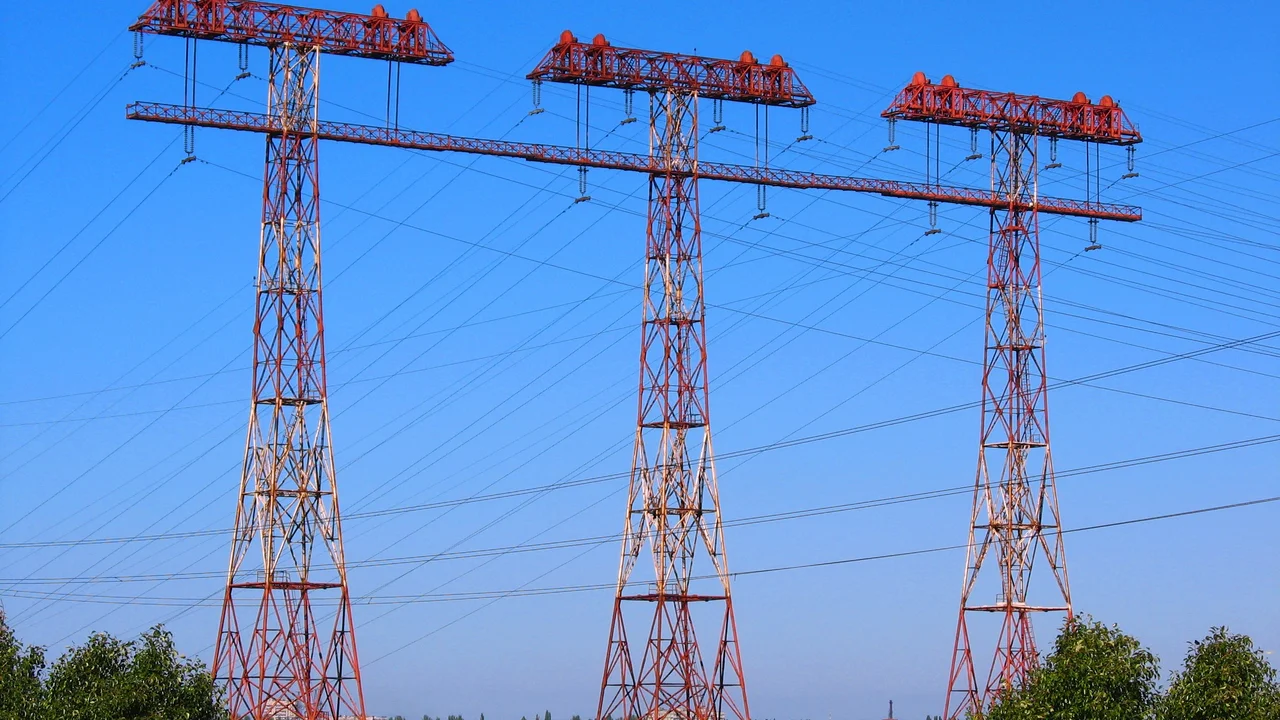
The claim that both Russia and Ukraine have agreed to an energy ceasefire rests solely on President Trump's Truth Social post; at publication time, neither Moscow nor Kyiv had confirmed an agreement, and Zelensky said the announcement was "news" to him. This article was published on a Sunday; markets were closed, so no market snapshot box is carried.