The United Kingdom announced a package of 31 new sanctions on October 1 aimed at Russia's war economy and what the Foreign Office described as its machinery of repression. The package comprises 23 individuals and entities and eight ships: LNG shadow-fleet vessels, Kremlin disinformation networks, and people accused of torturing Ukrainian civilians and indoctrinating deported Ukrainian children.
The 23 individuals and entities will be subject to asset freezes, trust-services sanctions, and director-disqualification sanctions, with individuals also facing travel bans. The eight ships will be subject to shipping and trade sanctions, according to the government's announcement.
Shadow fleet in the crosshairs
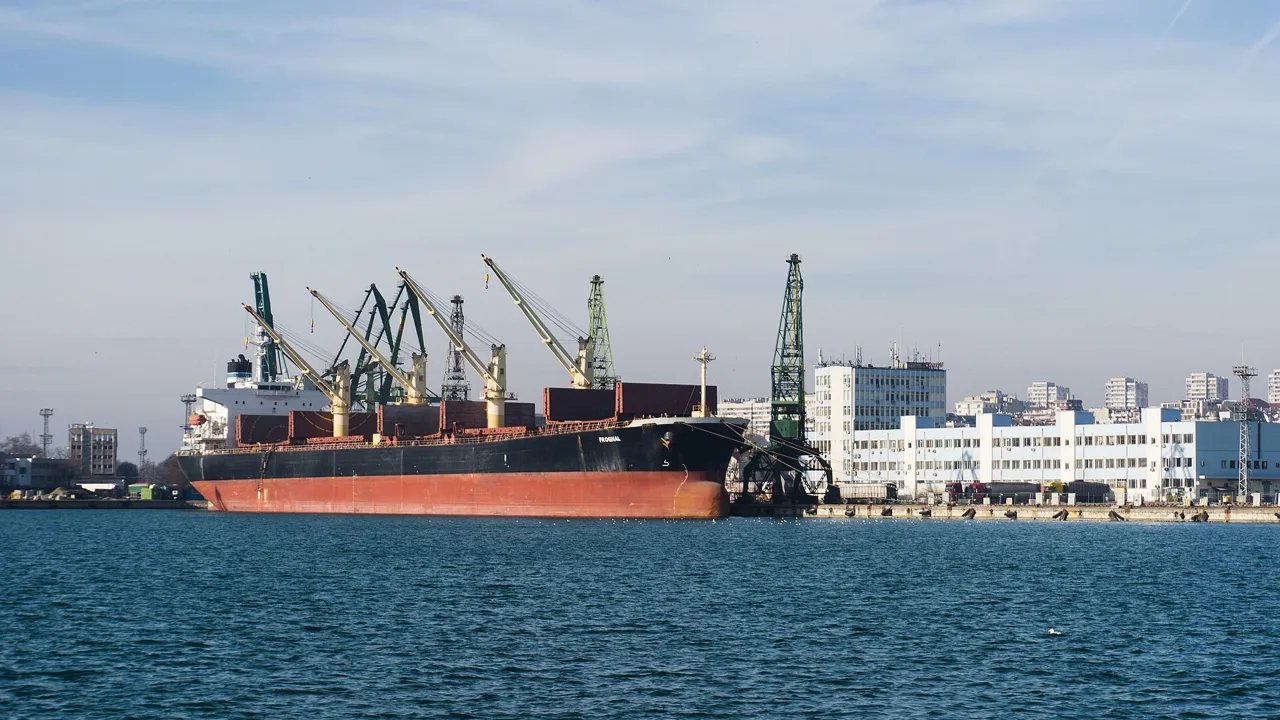
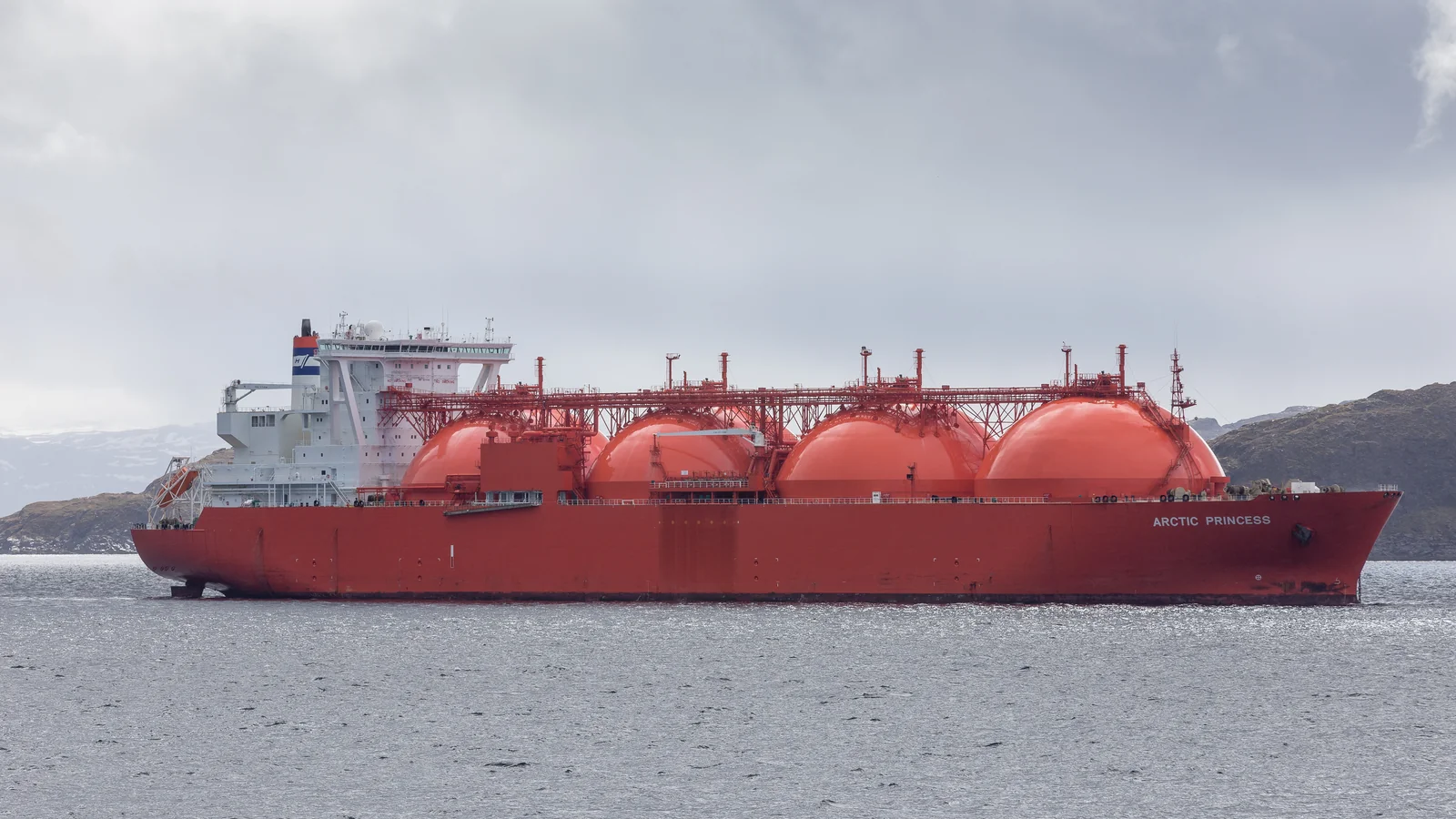
The maritime targets include three shadow-fleet vessels, two ships providing them with bunkering services, and three Russian-owned ice-class vessels. Maritime reporting identified the sanctioned LNG carriers as the Konstantin Posyet, which entered service this year and has already sailed the Northern Sea Route to the Arctic LNG 2 project; the Chaivo, involved in carrying Russian LNG to third countries; and the Portovyy, a Gazprom-operated vessel that made an unusual eastbound voyage through the Northern Sea Route to China this summer, gCaptain reported.
The package also includes three shadow-fleet oil tankers and two ships providing bunkering services. Britain has now sanctioned nearly 600 tankers used to evade Western sanctions, and in June UK forces intercepted the shadow-fleet vessel SMYRTOS, the government said. A separate ban on UK maritime and insurance services connected with Russian LNG exports will take effect from January 1, 2027, gCaptain reported.
Torturers, propagandists, child indoctrination
Eight people were targeted over what the Foreign Office described as the arbitrary detention, torture, and ill-treatment of Ukrainian civilians — part of what it called a wider system of repression in Russia's occupied territories involving enforced disappearance and denial of justice.
A further seven individuals were designated for their role in what the government described as the indoctrination and militarization of Ukrainian children, including those deported by the Russian authorities. The government said an estimated 6,000 Ukrainian children had been forcibly relocated to a network of so-called "re-education" camps, and that millions more under Russian occupation were subjected to propaganda programs including training in weapons handling and drone operation.
Seven more individuals were targeted for spreading pro-Kremlin disinformation, including four Georgian nationals — among them Mamuka Pipia, leader of the pro-Russian Georgian party Solidarity for Peace, according to Alliance News. The sanctions follow what the UK called sham elections in temporarily occupied territories of Ukraine earlier this month.
"We are targeting both the revenues that help sustain Russia's aggression and perpetrators of horrendous crimes against Ukrainian civilians, including children," said Lord Wood of Anfield, the Minister for Europe. "The UK will not flinch in our support for Ukraine."
Why now
The government framed the package as economic pressure ahead of winter, which in the years since the 2022 invasion has brought an escalation of Russian strikes on Ukraine's power grid. Russia fired more than 3,100 jet-powered drones into Ukraine in September, the government said — a wartime record, up from August — and drone and missile strikes in the last week killed at least 44 civilians and injured a further 315, according to the UK's figures.
The announcement also came with an energy-security measure: existing licensing arrangements for maritime transportation of Russian LNG have been extended on a targeted, time-limited basis to support the Republic of Korea's and Japan's energy security, both countries that have backed Ukraine with financial and humanitarian aid.
What it means
The package is notable less for its raw economic weight than for its targeting logic: it pairs revenue-side measures against Russia's emerging LNG shadow fleet with person-level designations against torture, child deportation, and disinformation operators — the human-rights track of sanctions that has grown steadily since 2022. Whether designations translate into actual asset freezes and travel interdiction depends on enforcement and on international coordination, which the UK says is continuing alongside partners. For now, the practical signal is the one London stated explicitly: economic pressure stepped up as the winter strike season on Ukraine's energy grid begins.