Russia has warned NATO that it would be prepared to resort to nuclear weapons if the Western alliance attempted to cut off Kaliningrad, the Russian exclave on the Baltic Sea, in a diplomatic document sent to the alliance and reviewed by Reuters on Wednesday, September 30. The Kremlin publicly confirmed the same day that the document had been sent; NATO denounced what it called "irresponsible nuclear rhetoric."
The document
The text was classed as a "non-paper" — diplomatic jargon for an informal document — according to Reuters, which reviewed it. In it, Moscow accused NATO of a "dangerous and reckless course" that entailed "high risks of the outbreak of a direct armed conflict." The document also raised the possibility "of Russian strikes against decision-making centers in the alliance's member states right from the outset of the conflict."
"Russia will be ready to use the entire arsenal of forces and capabilities at its disposal, including nuclear weapons, in order to defend its territory should NATO countries undertake any attempt aimed at isolating the Kaliningrad Region from the rest of the country," the text said, per Reuters' account of the document.
Separately, Russian embassies in at least three European countries issued statements in the past three days accusing NATO of escalating tensions through military exercises and planning scenarios involving Kaliningrad, Reuters reported. Those statements said Russia had no intention of attacking NATO countries but warned that any aggression against Kaliningrad — a heavily militarized territory sandwiched between Poland and Lithuania — would be met with the strongest possible response.
Kremlin confirmation and NATO's response
On Wednesday, Kremlin spokesperson Dmitry Peskov confirmed that Russia had sent the document, saying Russian diplomats wanted to remind European states of Moscow's policy on the use of nuclear force, Romanian outlet informat.ro reported. Peskov did not dispute Reuters' characterization of its contents.
NATO spokesperson Allison Hart confirmed the alliance had received the non-paper but did not disclose its contents. "We have sent a response, noting that NATO is a defensive Alliance and none of our activities or exercises pose a risk to any part of Russia," she said. "We strongly denounce the threat of force, including any irresponsible nuclear rhetoric. We call on Russia to end its unprovoked war in Ukraine."
Reactions among European officials were blunt. A senior European defense official told Reuters: "(This is the) first time since (the) Cold War that Russia is threatening us like this. So this is serious." A NATO diplomat said the Russian letter was "only another Russian attempt to intimidate Europeans," adding that the alliance's response was firm and responsible and that NATO would "not be dissuaded from supporting Ukraine."
Why Kaliningrad, why now
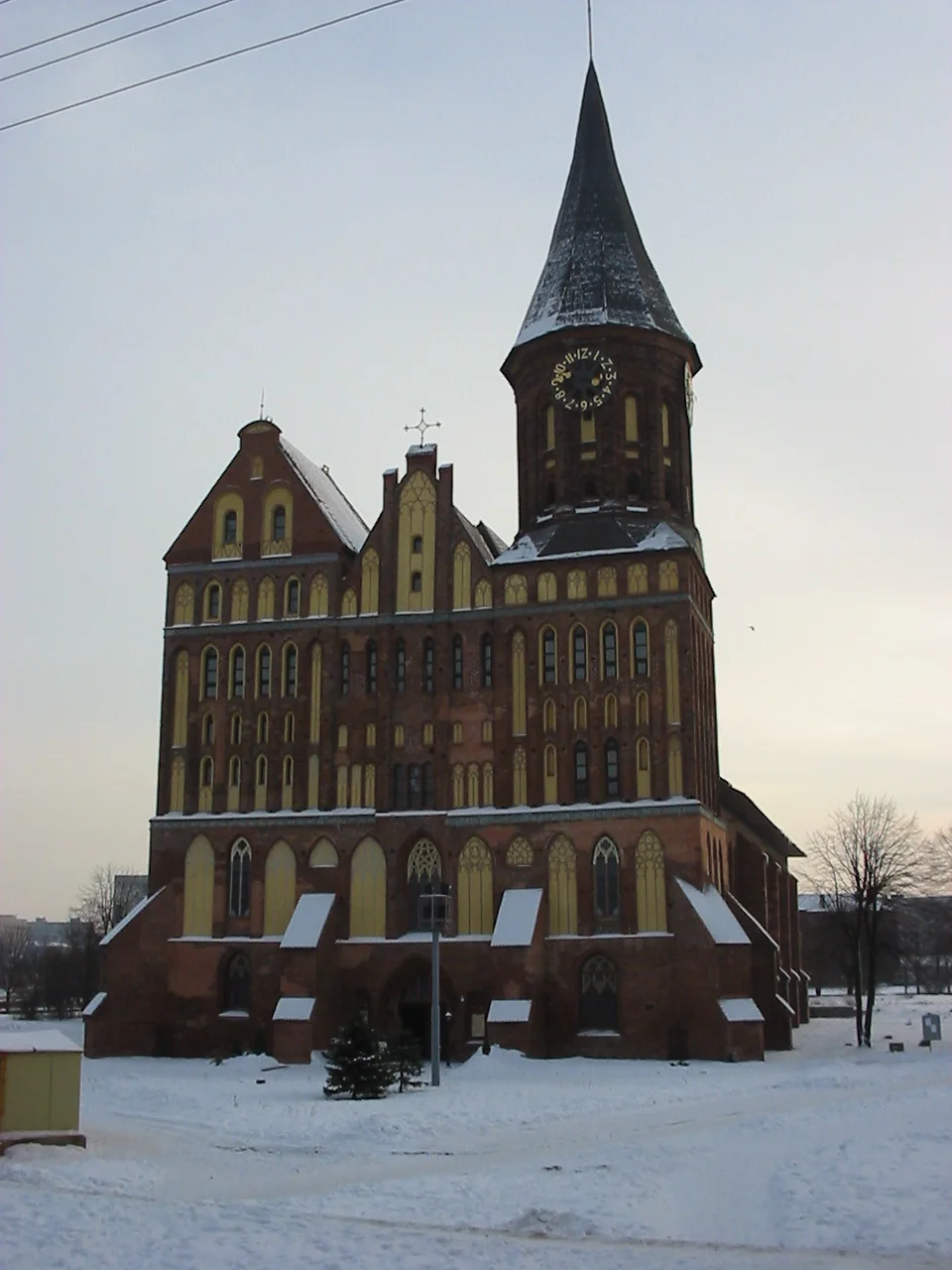
Kaliningrad is a Russian exclave on the Baltic Sea between Poland and Lithuania, separated from Belarus by the Suwałki Corridor — a narrow stretch of territory NATO planners regard as a potential flashpoint. Russia has long stationed significant military assets there.
The warnings come amid rising tension between Russia and European governments, which accuse Moscow of stepping up a "hybrid war" on the continent through acts including sabotage and arson. Russia denies those accusations and rejects repeated statements by Western politicians that it is preparing a military attack on a NATO country.
No NATO government has said it intends to isolate or blockade Kaliningrad; the Russian statements respond to exercises and contingency planning scenarios the alliance has run involving the exclave. What remains contested is interpretation: Moscow frames its message as a deterrence reminder consistent with its stated nuclear doctrine, while NATO frames it as intimidation layered over the war in Ukraine. Both characterizations are attributed here; the document's contents rest on Reuters' reporting, which reviewed the text, and on the Kremlin's public confirmation of having sent it.
Sources
- Reuters, "Russia issues nuclear warning to NATO as tensions rise in the Baltic," September 30, 2026: https://www.reuters.com/business/aerospace-defense/russia-issues-nuclear-warning-nato-tensions-rise-baltic-2026-09-30/
- informat.ro, "The Kremlin confirms the nuclear warning sent to NATO if the Alliance were to try to isolate the Russian exclave of Kaliningrad," September 30, 2026: https://informat.ro/en/international/kremlin-confirms-nuclear-threats-against-nato-over-kaliningrad-141249