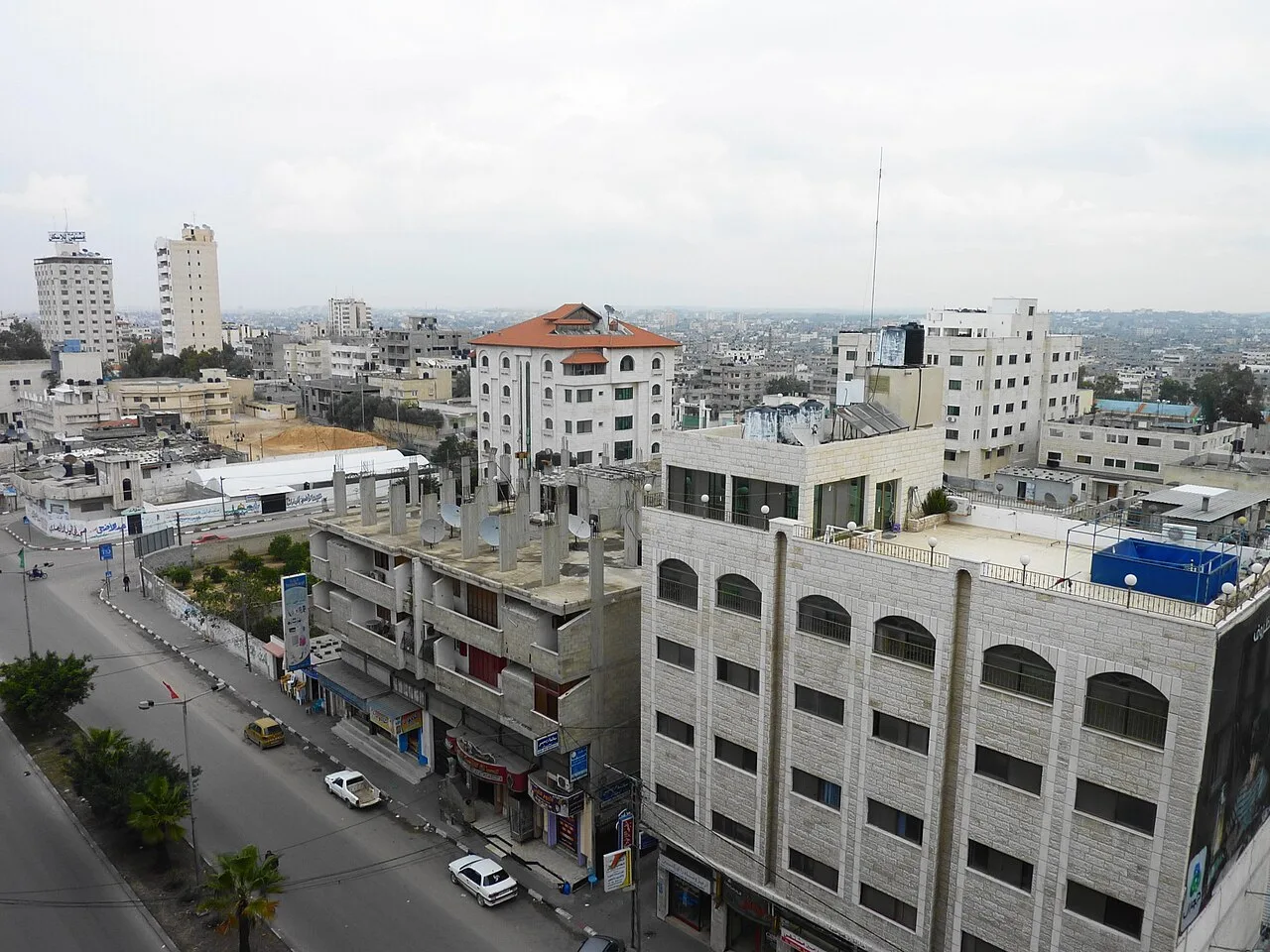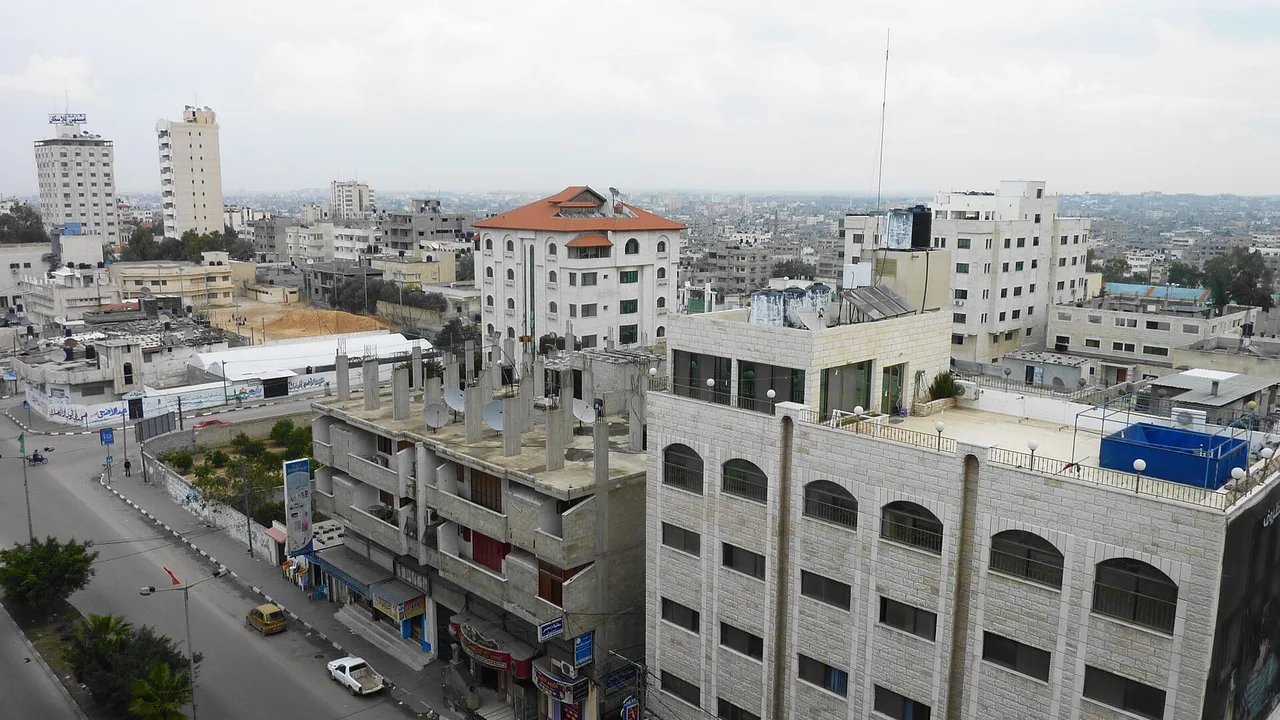
US President Donald Trump's year-old plan to end the Gaza war has stalled, Reuters reported on October 6, 2026: Israel is mounting near-daily attacks and now occupies around two-thirds of the shattered enclave, while Hamas has not disarmed, the planned International Stabilization Force has yet to assemble, and reconstruction has not begun. The initial phase — a ceasefire on October 10, 2025 that secured the release of the last remaining hostages seized in Hamas' 2023 attacks on Israel, along with freedom for hundreds of Palestinian prisoners and detainees held by Israel — held in its essentials. Everything after it has not.
What was in the plan?
The first phase of Trump's 20-point plan included a suspension of all military operations, Israeli withdrawal from part of the enclave, hostage and prisoner releases, and a surge in aid. Later phases foresaw Hamas disarming and new governance by a Palestinian body overseen by the Trump-led Board of Peace; Israel would gradually withdraw, handing territory to a temporary International Stabilization Force (ISF). "Gaza will be redeveloped for the benefit of the people of Gaza, who have suffered more than enough," the plan said.
Has the ceasefire held?
There has been no return to full-scale military operations, but Israeli strikes have continued. Gaza's health ministry says at least 1,400 Palestinians have been killed since the October ceasefire, many of them women and children, although it does not disclose militant casualties. Israel says its strikes have targeted Hamas, accusing the group of trying to carry out attacks and rearm. Hamas denies this. Five Israeli soldiers have been killed by Palestinian militants or in combat since the ceasefire, according to the Israeli military.

How much of Gaza does Israel occupy today?
Most of it. The initial phase of Trump's plan foresaw Israel withdrawing to a so-called "yellow line" that left Israeli troops in control of 53% of Gaza. Since then, the Israeli military has expanded its effective control to around two-thirds of the territory. The advancing yellow line has uprooted more Palestinians, squeezing the population of 2 million into a shrinking coastal strip where they shelter in tents and damaged buildings. Reuters also reported that Israel-backed Palestinian militias opposing Hamas use the Israeli-held zone to launch attacks into Hamas-controlled areas.
Has aid improved?
Yes, but aid groups say it isn't enough. The global hunger watchdog IPC says more than 1.2 million people still face acute hunger in Gaza despite a major scale-up of aid operations after the ceasefire. An August IPC report cited data showing an average of 227 trucks a day carried humanitarian and commercial supplies into Gaza from the ceasefire to the end of May — less than half the minimum 600 trucks stipulated in the Gaza plan. COGAT, the Israeli military agency that controls access to Gaza, did not immediately respond to a request for comment on the figure. Israel says around 600 trucks carrying humanitarian aid and commercial goods are entering each day, that Gaza is getting enough goods to meet needs, and that it is meeting its obligations. Aid agencies say Israel is blocking essential items, including metal tent poles, engine oil and spare parts, from entering Gaza on the grounds that Hamas could use them for military purposes.
Is Hamas ready to disarm?
It has indicated so, but a plan unveiled in July to achieve this has also stalled. Trump said Hamas and other Gaza militants had accepted a 15-point roadmap drawn up by the Board of Peace to give up their arms; Israeli forces would withdraw as Hamas disarmed; the ISF, working with a new Palestinian security force, would secure Gaza. Hamas said it had agreed to hand over its weapons to be stored under the control of the US-backed Palestinian technocratic government — though it rejected the word "disarmament." Israel, skeptical that Hamas will give up its arms, called the plan unacceptable and said it would not carry out any withdrawal until Hamas is fully disarmed.
Has the ISF been formed?
Plans have taken shape but it has yet to be assembled. There is a commander — US Major General Jasper Jeffers — and Indonesia, Morocco, Kazakhstan, Albania, Kosovo and Uganda have committed personnel. Jeffers has said the long-term plan is for the ISF to use 20,000 troops and train 12,000 Palestinian police. The technocratic Palestinian governing body, the National Committee for the Administration of Gaza, was appointed in January, led by Ali Shaath, who formerly served as a deputy minister in the Ramallah-based Palestinian Authority — but it has yet to enter Gaza.
What about reconstruction?
A year on, Palestinians are still scavenging in the rubble of wrecked buildings for materials to prop up tents and other shelters. The Board of Peace unveiled a $2.45 billion plan in September to begin rebuilding Gaza — a six-month, 66-project blueprint unveiled at a board meeting in New York on the sidelines of the UN General Assembly, per the AP. That is a fraction of what is needed: the Board of Peace cited an EU and UN assessment released in April that estimated recovery and reconstruction needs at $71.4 billion over the next decade. Reconstruction has not begun, and the vast majority of Palestinians continue to live in tent camps or ruins of their former homes.
The board's high representative, Nickolay Mladenov, has said progress hinges largely on Hamas disarming — a step the group has refused to take — but he has also pressed Israel to scale back its military operations. Trump's Mideast envoy Steve Witkoff acknowledged the ceasefire had not been a 100% success but said the board "can point to real progress": "There is a ceasefire, imperfect as it may be, but it still exists," he said, per the AP.
What are Israeli politicians saying?
While the Trump plan promises to encourage people to stay in Gaza, Israeli right-wing politicians have stepped up calls for the mass removal of Palestinians through "voluntary emigration." Defence Minister Israel Katz said last month there was "no real solution" for Gaza without this migration. Israel's defence ministry established an office in 2025 tasked with overseeing "voluntary emigration" from Gaza, after comments by Trump suggesting Gazans could be permanently displaced. Trump later backed away from the idea, which faced strong resistance from Arab states and was widely rejected internationally. Israeli officials have said there are no plans to move Gaza's population out by force.
Israel will hold a general election on October 27 — the country's first since the October 7, 2023, Hamas attack. Some leading opposition figures have spoken in support of Trump's plan, and polls show pro- and anti-Netanyahu parties in a tight race.
---
Attribution notes: casualty figures (1,400 Palestinian deaths since the ceasefire) come from Gaza's health ministry, which does not disclose militant casualties; Israeli military casualty figures come from the IDF. Competing claims about aid flows are presented with both sides' statements as Reuters reported them.