Saudi Arabia, Turkey and Pakistan agreed on Monday, October 5, 2026, to activate their Mecca Joint Defence Agreement for the first time, beginning the "rapid deployment" of military forces and capabilities to Saudi Arabia. The decision came at an emergency meeting of the alliance's Strategic Political and Defence Committee (SPDC) in Riyadh, convened over what the three countries described as escalating attacks on the kingdom by Yemen's Houthi movement.
What did the three countries agree to?
In a joint statement released by Pakistan's Foreign Ministry, the three countries agreed "to move immediately to the practical implementation of the collective defence commitments and to take the necessary measures to provide the agreed military forces and capabilities and ensure their rapid deployment in the Kingdom," according to The Media Line, The Hindu BusinessLine and TBS News. Deployment would follow "approved arrangements" and each country's national legal frameworks, the statement said.
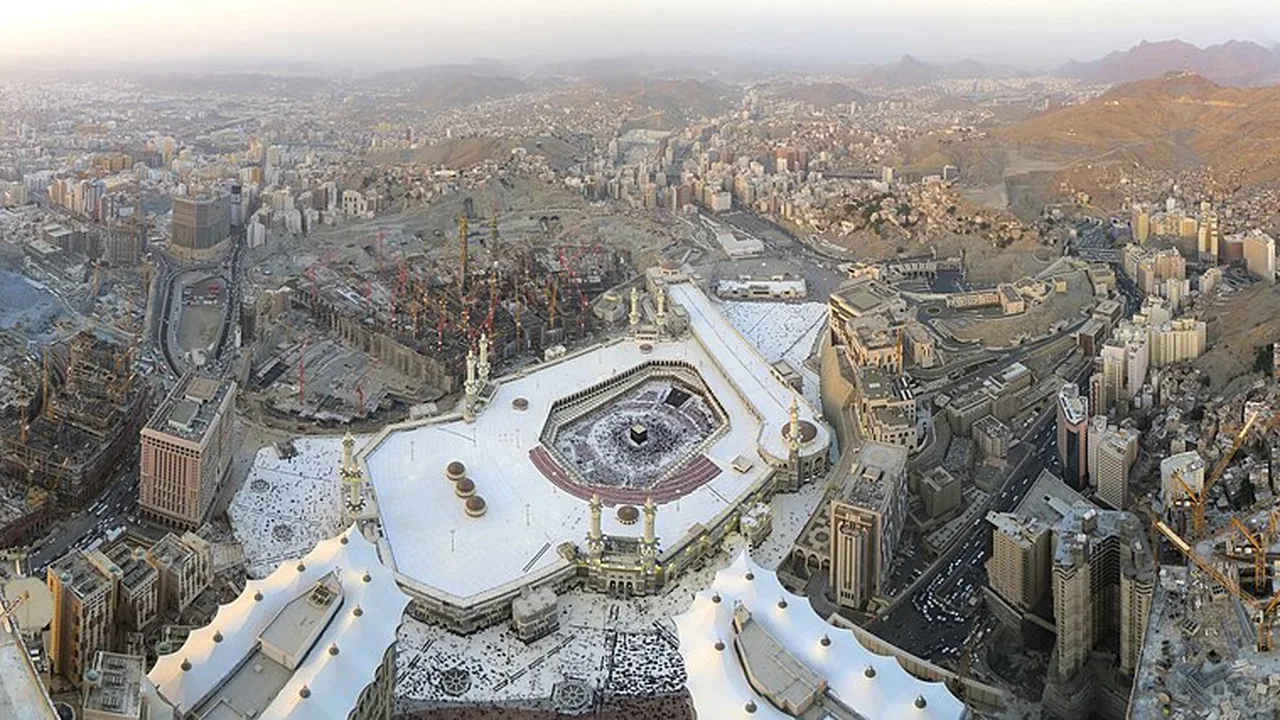
The statement gave no troop figures, specified no units, and disclosed neither a deployment schedule nor rules of engagement. It remains unclear whether Turkish and Pakistani personnel would take part in combat. Pakistani Defence Minister Khawaja Asif told Geo TV that Islamabad and Ankara have a presence in the theater but that Saudi forces are currently the only ones engaged in fighting, according to secondary reporting. The three governments also condemned what they described as attempted targeting of Islam's holy cities, Mecca and Medina, along with continuing strikes on Saudi cities and civilian and economic facilities.
Saudi Defence Minister Khalid bin Salman said the measures were activated to demonstrate unity and confront attacks targeting Saudi Arabia and its holy sites. In a post on X, he said the meeting affirmed "solidarity and unified stance" in confronting the "sinful aggressions that targeted the Kingdom and the Holy Sanctuaries."

What is the Mecca Joint Defence Agreement?
The pact was signed on August 7, 2026, in Mecca by Turkish President Recep Tayyip Erdoğan, Saudi Crown Prince Mohammed bin Salman and Pakistani Prime Minister Shehbaz Sharif. It establishes a collective-security arrangement explicitly modeled on NATO's Article 5: an armed attack against any one of the three states is regarded as an attack against all three.
The alliance was formed amid the US-Israel war on Iran and the wider regional escalation. Its activation had previously been delayed, TBS News reported, as Turkey and Pakistan sought to maintain their roles as diplomatic mediators in the broader regional war. In early September, Pakistani Defence Minister Khawaja Asif had warned that any unprovoked aggression or spillover from Yemen into Saudi Arabia would set the Mecca agreement into motion.
The October 5 meeting also appointed retired Pakistani Lt. Gen. Nauman Mahmood as the alliance's first secretary-general for a three-year term.
Why now?
The immediate trigger was a surge in Houthi attacks on Saudi territory. The group claimed strikes on Saudi targets including King Khalid International Airport in Riyadh, an Aramco oil refinery in Rabigh, Abha airport and the Khamis Mushait military base — although Saudi authorities did not officially confirm those specific claims, TBS noted. The Saudi Foreign Ministry has said the pact "does not represent an effort to establish a military axis or a sectarian bloc," CNN reported.
The activation lands in the middle of a fast-moving military picture: on Sunday, Yemen's internationally recognized government announced Operation "Dawn of Yemen," a campaign to retake territory from the Houthis, and claimed Monday to have retaken key positions around the Bab el-Mandeb Strait. The Saudi-led coalition said about 100 fighter jets took part in the opening phase. The Houthis deny the claimed gains.
Why does this matter beyond the Gulf?
The activation is the first real-world test of one of the most significant new security arrangements in the Middle East. It brings together three major military powers — Turkey, which fields NATO's second-largest army; Pakistan, the only nuclear-armed state in the Islamic world; and Saudi Arabia, the region's dominant oil producer — under a single collective-defence framework.
It also signals how the region's war is reorganizing alliances. The pact explicitly frames threats to any member as threats to all three, and its first invocation comes not against Iran directly but against the Houthi movement, which is widely described as Iran-aligned. At the same time, the three countries said they would explore steps toward resolving the crisis peacefully and through dialogue, according to secondary reporting — suggesting the deployment is intended as deterrence as well as operational support.
Whether the deployment stays limited to air defence and advisory roles inside Saudi Arabia, or deepens into direct participation in the Yemen campaign, was not addressed in the joint statement — and will be the question to watch in the coming weeks.
---
Attribution notes: all deployment details rest on the joint statement as carried by Pakistan's Foreign Ministry and reported by The Media Line, TBS News and The Hindu BusinessLine. The Houthi strike claims that triggered the activation are Houthi claims; Saudi authorities did not confirm the specific targets.