More than 100 civilians were killed and at least 429 others injured across Ukraine this week, the United Nations told the Security Council on Friday, as a wave of Russian attacks on cities, energy infrastructure, and civilian targets drew a warning from the UN's human rights chief that the cycle of escalation "must end now."
What the UN reported
UN News' live briefing from Friday's Security Council session laid out the week's toll: more than 100 civilians killed and at least 429 injured, after a spate of Russian attacks against civilian targets and infrastructure in recent days. UN human rights chief Volker Türk described the scale and manner of the attacks as "reprehensible."
The briefing also noted that the International Atomic Energy Agency received reports of drone incidents earlier this week at Ukraine's Zaporizhzhya Nuclear Power Plant, and that Russian long-range strikes on electricity substations and power plants have left many parts of Ukraine without power. For the year so far, 15,280 civilians have been killed or injured in Ukraine during the first eight months of 2026, according to the latest UN data.
Zaporizhzhia: the week ended with glide bombs on homes
The toll kept rising into Saturday. Russian strikes killed at least 12 people in Ukraine's Zaporizhzhia region, Ukrainian President Volodymyr Zelenskyy said Saturday, after five glide bombs hit residential buildings in the city of Zaporizhzhia early in the morning. Three children were among those killed and at least 14 people were wounded, according to the Associated Press. The figures were still being clarified as rescue teams searched the rubble.
The AP described the attack as part of a four-day bombardment that Ukrainian officials say has killed more than 60 people — the same long-range aerial campaign that has struck Kyiv's bridges, energy facilities, and a crowded Kramatorsk bus stop in recent days, while the two armies remain largely deadlocked on the front line.
The strike came the morning after US President Donald Trump announced a deal to buy Russian diesel — more than 300,000 tons immediately, followed by 500,000 tons in November, a further one million tons "immediately thereafter," and an additional three million tons "within a short period of time," according to the AP. Zelenskyy called the deal "a weak decision, unfortunately, a weak decision by strong partners," and said Moscow had expressed its thanks for the easing of diesel sanctions "by dropping five glide bombs on residential buildings in Zaporizhzhia" — his characterization of the timing, posted on X. Trump announced the deal as his envoys Steve Witkoff and Jared Kushner were meeting Ukrainian officials in Miami to discuss a proposal to end the war.
Oleshky: the city the war forgot
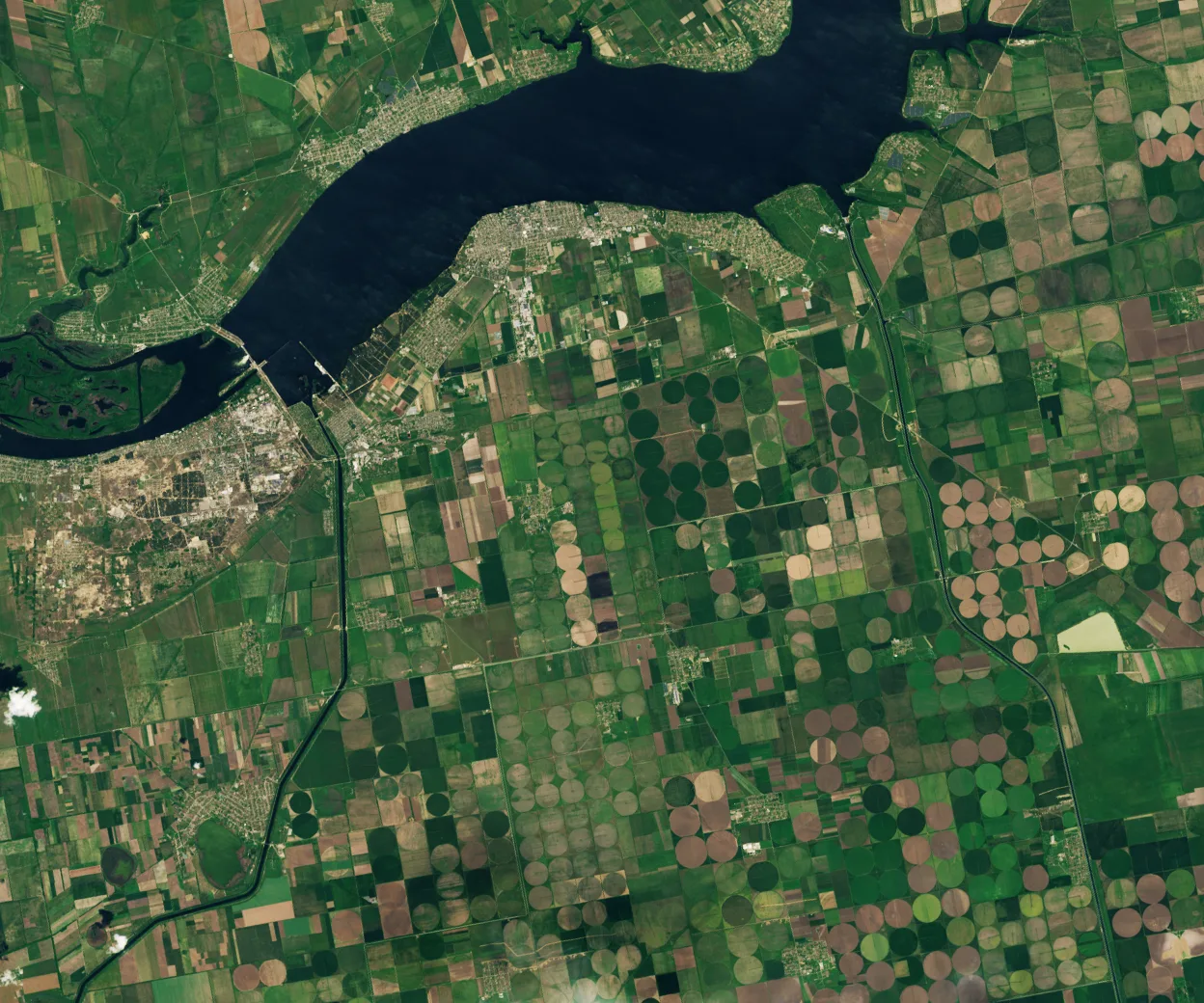
Away from the strikes, the week also brought a rare detailed account of civilian life under occupation. In Oleshky, a front-line city in Ukraine's Kherson region occupied by Russia since the first day of the invasion, residents are surviving in what the UN's human rights chief has called "desperate conditions, without running water, electricity, or gas," Le Monde reported on Saturday.
The city of 24,000 before the invasion now holds around 1,700 residents, including 47 children, according to Danielle Bell, head of the UN Human Rights Monitoring Mission in Ukraine. Food and medicine have been in severe shortage since May. Talks between Ukraine and Russia on a "safe humanitarian mechanism" were ongoing as of October 8, Ukraine's human rights ombudsman said, but there had been "no concrete progress" toward an organized evacuation. Kyiv accuses Russia of blocking aid deliveries and evacuation efforts; Moscow acknowledged a humanitarian crisis but blamed Ukrainian authorities.
The European Union has called the situation "horrific," and the Council of Europe's human rights commissioner, Michael O'Flaherty, said he was "alarmed by the rapidly deteriorating humanitarian crisis," calling for a ceasefire, unhindered access to the city, and safe evacuation of civilians.
Ukraine has resorted to drones to feed the city: nearly four metric tons of food were delivered by drone to about 100 locations in Oleshky on September 27, with another shipment of nearly six metric tons on October 4, Le Monde reported. An NGO worker involved in evacuations told Le Monde that some of the aid packages that reached the ground were looted by Russian soldiers, while others reached their intended recipients — an account attributed to her sources on the ground. With winter approaching, residents have no gas, no electricity, and no regular water supply, drawing water from wells and cooking over wood fires.
---
Weekly casualty figures are the UN's reported toll as briefed to the Security Council. Strike-specific figures are attributed to the Ukrainian officials cited by the Associated Press and were still being clarified at the time of publication. Claims about conditions in Oleshky and the conduct of the parties there are attributed to the sources cited in Le Monde's reporting.