Top Russian and US officials — including US Special Envoy Jared Kushner and Vladimir Putin's economic adviser Kirill Dmitriev — have held talks about bringing a US investor into the Nord Stream gas pipelines that delivered Russian gas to Germany before the invasion of Ukraine, Reuters reported on October 8, 2026. The exclusive, sourced to five people with knowledge of the discussions, puts energy business directly on the table in the Ukraine peace process. The White House pushed back, telling Reuters there had been "no Nord Stream discussions recently" — a denial that sits alongside, rather than resolves, the sourcing.
What is being discussed?
According to Reuters' five sources, the talks centre on a US investor taking a stake in the Nord Stream pipeline company — a structure that would let American investors profit from resumed energy flows to Europe once the war ends. Dmitriev and Kushner have met in Moscow and New York in recent weeks, and while it is unclear how far the Nord Stream topic advanced in those meetings, the subject "remains on the agenda," two of the people told Reuters.
A White House official said any deals would have to be negotiated by Russia with the US International Development Finance Corporation (DFC) and Treasury, and "must benefit United States taxpayers and companies." The same official said there had been "no Nord Stream discussions recently."
How does Lukoil fit in?
The Nord Stream talks are part of a broader energy-business channel. Separately, the same officials have discussed selling Russian energy company Lukoil's European and international assets — refineries and petrol stations — to a consortium involving the DFC and investors from Qatar and the United Arab Emirates, with US sanctions lifted as part of the deal, Reuters reported, citing two other people familiar with the matter.
The Lukoil proposal traces back to September 5, when Putin received Kushner and special envoy Steve Witkoff in the Kremlin. According to The New York Times, as collected by Reuters and reported by Demócrata, it was Putin who put the Lukoil operation on the table — arguing a major business deal would show Russian society that Russia can still do business with the United States despite war and sanctions. Dmitriev later travelled to Washington and met Treasury and Energy Department representatives on September 28; a US official confirmed those contacts covered both the war and possible post-war US-Russia energy initiatives. Reuters estimated Lukoil's sanction-forced international divestment at around $22 billion.
Why is this politically explosive?
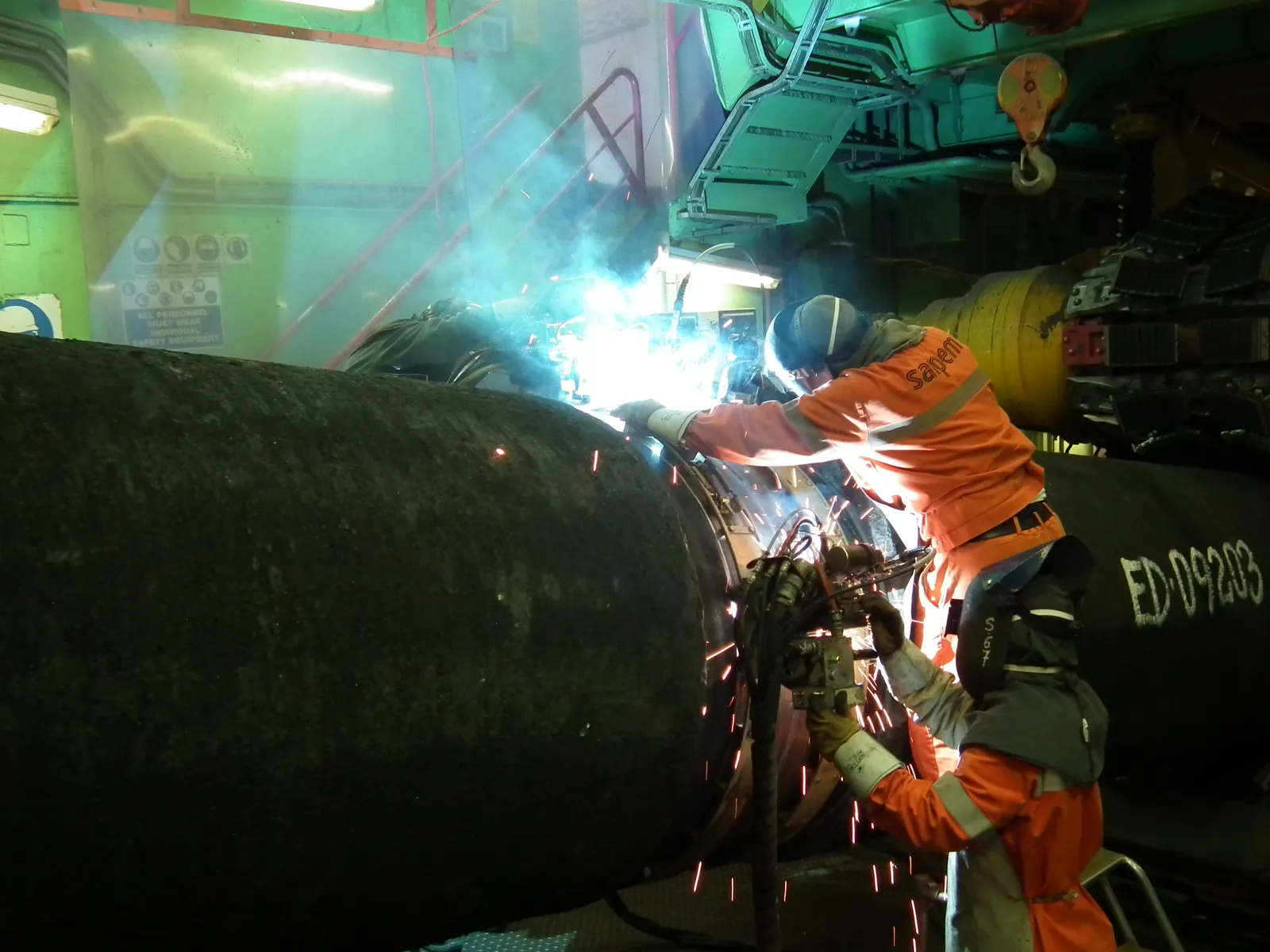
The hurdles are formidable. The Nord Stream pipelines are sanctioned by both the US and the EU, making any restart illegal without political action. Before the 2022 invasion, Germany bought more than half of its gas from Russia through the two pipelines; they were throttled by Moscow and then destroyed in underwater explosions in September 2022. The ownership is split: Gazprom holds 51%, with the rest in German, French and Dutch hands.
Germany's coalition government opposes restarting the pipelines, and a German economy-ministry spokeswoman told Reuters that reopening requires government approval — "and this was not desired." But Alternative for Germany (AfD), described by Reuters as the country's most popular political party, wants to resume Russian gas purchases — and Dmitriev is set to meet the AfD leadership early next year to discuss it. A German lawmaker who handled energy policy after the invasion called the prospect "a dirty deal that will cost Europe dearly," arguing Americans and Russians would share the profits.
Kushner's premise, as reported by Reuters, is that doing business is central to restoring peace: a post-war energy arrangement would give all leaders "something to look forward to."
Five European intelligence chiefs told Reuters earlier this year that Russia was using the US talks to push business deals rather than end the war — the view from European capitals, where Berlin has accused Moscow of a systematic hybrid-attacks campaign, is sceptical.
What comes next?
Nothing is agreed, and a US official told Reuters a deal is unlikely in the medium term given the sanctions and political obstacles. But the reporting establishes that energy assets — first Lukoil, now Nord Stream — have become negotiating currency in the Ukraine process, with Kushner and Dmitriev as the conduit. The question hanging over the talks is the one Demócrata's analysis framed: whether business normalization precedes a political settlement, or whether Europe and Ukraine's insistence that sanctions not be relaxed before a solid ceasefire holds.
---
Attribution notes: the talks are reported by Reuters citing five unnamed people with knowledge of the situation; the Lukoil detail cites two additional unnamed people. All claims about what was discussed are presented as those sources' accounts, not confirmed facts. The White House denial and the German government position are on-record statements. Lukoil-asset figures and the September 5 Kremlin meeting framing come from The New York Times reporting via Reuters/Demócrata; buyer names (Todd Boehly, Middle Eastern investors) are attributed to the NYT's sources and not independently confirmed.