Ethiopia and Eritrea have severed diplomatic relations, marking the sharpest rupture between the Horn-of-Africa neighbors since they fought side by side in Ethiopia's 2020–2022 civil war. On Thursday, Ethiopia ordered the closure of its embassy in the Eritrean capital, Asmara, and declared 10 Eritrean diplomats persona non grata, giving them 48 hours to leave. Eritrea responded by cutting all diplomatic ties.
The confrontation came hours after powerful explosions were heard overnight in the Ethiopian capital, Addis Ababa — including near the country's military headquarters — raising fears that renewed fighting in northern Ethiopia could be spreading toward the capital and across borders.
The diplomatic rupture
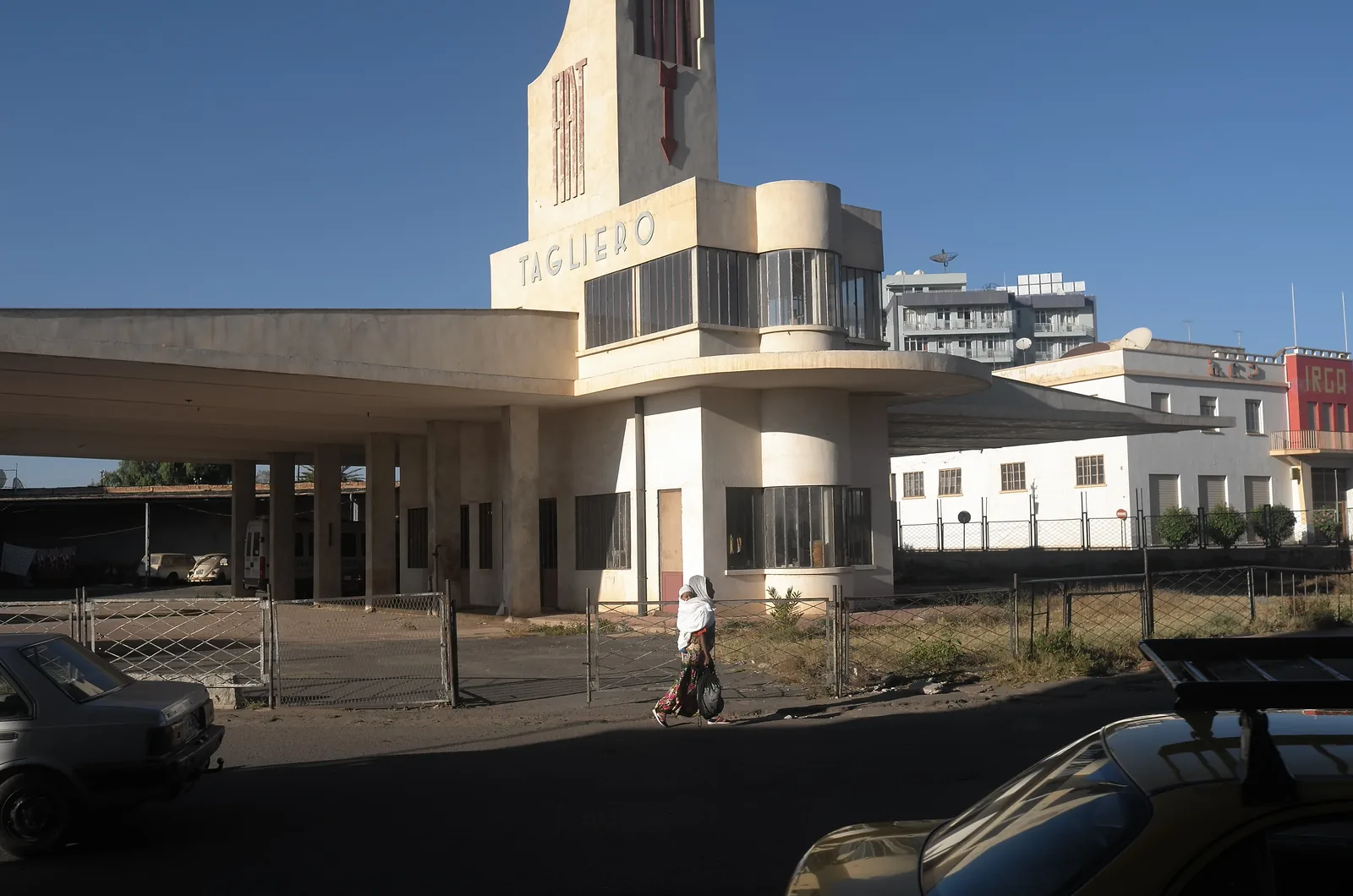
Ethiopia's Foreign Ministry said on Thursday it had "decided to close its Embassy in Asmara, Eritrea, in response to Eritrea's direct and indirect acts of hostility and belligerence against Ethiopia," according to Reuters. The 10 unnamed Eritrean diplomats were ordered out within 48 hours.
Eritrea's Information Minister Yemane Gebremeskel told Reuters that by expelling all Eritrean diplomats from Ethiopia, the government was effectively closing its embassy in Addis Ababa. "Eritrea has no option but to reciprocate in kind and sever all diplomatic ties with Ethiopia with all the negative corollaries that this entails," the foreign ministry said in a statement.
The rupture widened the same day: Ethiopia's government also declared an Egyptian diplomat persona non grata and ordered him to leave within 48 hours, the state-run Ethiopian Broadcasting Corporation and two sources with knowledge of the matter said, per Reuters. Cairo responded in kind by declaring an Ethiopian embassy counsellor persona non grata with 48 hours to leave.
The African Union Commission urged Ethiopia, Eritrea and Egypt late Thursday to exercise maximum restraint and "refrain from actions or statements that could worsen tensions and undermine regional peace and stability," calling on the three countries to resolve their differences through diplomatic channels.
The Addis Ababa blasts
Hours before the diplomatic break, explosions were heard overnight in Addis Ababa. Three diplomatic sources told Reuters that blasts were heard across the capital. A source linked to the opposition alliance fighting federal forces in the north said the alliance had carried out several drone strikes in Addis Ababa, including some targeting the military's headquarters.
Reuters could not independently verify the drone-strike claim. If confirmed, it would mark the first known drone attack by anti-government forces on the Ethiopian capital, hundreds of kilometres from the front lines in Tigray, Amhara and Afar. Spokespeople for Prime Minister Abiy Ahmed's office, the federal government and the military did not immediately respond to requests for comment, and witnesses told Reuters they saw no visible damage near the military base.
Kenyan outlet Capital FM reported that residents in two areas of Addis Ababa separately told the BBC they had heard powerful explosions, one near the intelligence headquarters loud enough to trigger car alarms. Hours before the blasts, Ethiopia's National Intelligence and Security Service imposed an indefinite ban on drone flights over Addis Ababa and surrounding areas, citing the need to protect senior officials, important infrastructure and public events.
A wider escalation in the north

The blasts and the diplomatic rupture follow a sharp deterioration in relations between the neighbours. Addis Ababa has accused Eritrea, Sudan and Egypt of supporting an opposition alliance led by the Tigray People's Liberation Front (TPLF) that has battled troops loyal to the federal government since last week — an allegation all three countries deny.
Eritrea's information minister, in an interview with the BBC before ties were severed, rejected the accusations, telling BBC Tigrinya that Ethiopia's governing Prosperity Party was blaming neighbouring countries to divert attention from conflicts and other problems within Ethiopia. A pro-government militia commander fighting in Tigray also told the BBC that Eritrean soldiers had been involved on the front lines — an allegation the BBC said it had not independently verified.
Last month, the TPLF joined six other armed movements, including the Fano militia from Amhara, to form an alliance whose stated objective is to remove Prime Minister Abiy Ahmed's government from power, per Capital FM. Both the Ethiopian government and the TPLF accuse the other of starting the latest hostilities: Tigrayan authorities say their forces were responding to a federal offensive and drone strikes, while Addis Ababa says Tigrayan fighters attacked after taking control of federally administered airports in Tigray.
The two countries were allies during the 2020–2022 Tigray war, when Eritrean troops fought alongside Ethiopian federal forces against the TPLF. Relations have deteriorated sharply since, particularly over Ethiopia's push for direct access to the Red Sea — landlocked Ethiopia lost its coastline when Eritrea became independent in 1993, and Asmara accuses Ethiopia of harbouring ambitions over its ports.
The humanitarian toll is already rising. In Alamata, a doctor told the BBC earlier this week that at least 52 civilians had been killed during three days of intense fighting — a claim reported by Capital FM that has not been independently confirmed. The TPLF has also been fighting in neighbouring Afar, which lies along Ethiopia's crucial transport corridor to Djibouti and the sea, with tens of thousands of people estimated to have fled their homes there. The UN has warned that drone activity and air strikes are putting civilians and aid operations at risk, calling on all sides to guarantee safe access.
Whether the severed ties remain a diplomatic standoff or harden into a wider regional war — as Ethiopia's government accuses Eritrea of arming its opponents while Eritrea accuses Ethiopia of stoking regime-change proxies — will likely be decided by what happens next on the northern front lines, far from the embassies that have just closed their doors.