Ukraine has deployed its domestically built FP-7 tactical ballistic missile in combat for the first time, President Volodymyr Zelenskyy announced on Thursday, marking a milestone in Kyiv's drive to build an indigenous long-range strike capability independent of foreign weapons.
"Ukrainian tactical ballistic missile FP-7. First combat use," Zelenskyy wrote on Telegram and X. "Thank you for the result. Next - production."
He did not say where the FP-7 had been used in combat or against what target, and no battlefield result was disclosed. As of publication, neither Zelenskyy nor the missile's manufacturer has provided further detail, and the claim has not been independently verified.
What the FP-7 is reported to be
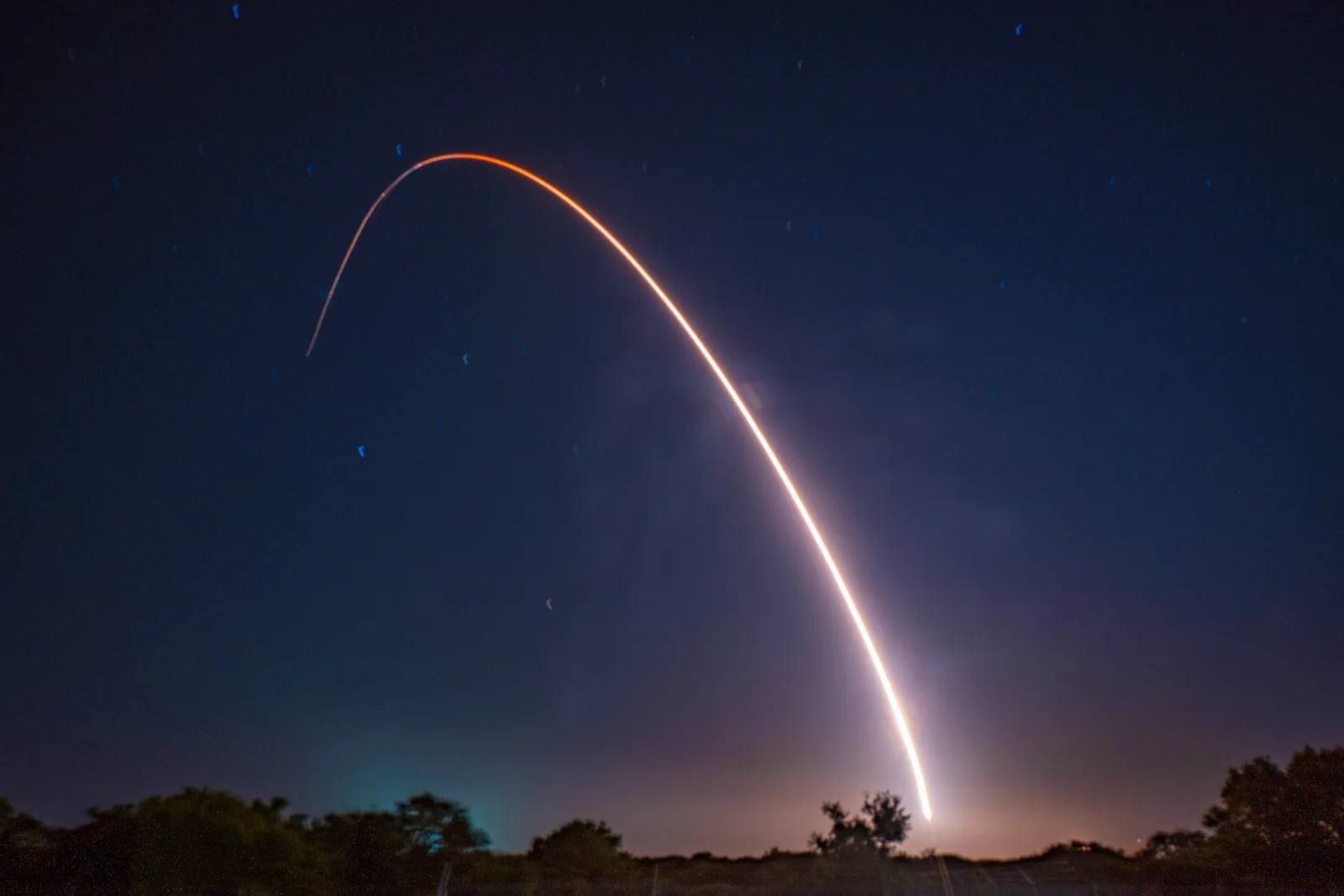
The FP-7 is a ground-launched tactical ballistic missile developed by the Ukrainian defense company Fire Point. Ukrainian military analysts describe it as a short-range system with a range of about 200 km (125 miles), according to Reuters.
Defense publication The War Zone, citing Ukrainian and company-released information, reported a slightly higher figure of approximately 250 km range and a warhead of around 150 kg, with published velocity figures near 1,500 meters per second. The publication emphasized that those specifications "should likewise be treated as reported figures rather than independently verified performance data," noting that actual range, payload and accuracy can vary by missile configuration and mission profile.
According to The War Zone's analysis, the FP-7 is optimized for strikes against objectives such as logistics hubs, air defense sites, and drone bases — making it more of a shorter-range complement to the U.S.-supplied Army Tactical Missile System (ATACMS) than a direct replacement, though it comes without the restrictions that have accompanied foreign-supplied systems.
Fire Point and the interceptor program
Fire Point began as a drone maker and has expanded rapidly since Russia's full-scale invasion, according to The War Zone. Its portfolio includes the FP-1 and FP-2 long-range strike drones and the FP-5 "Flamingo" cruise missile — the latter slated for production in Germany after a technology agreement with German defense firm Diehl Defense.
The company is also developing the FP-7.X, an anti-ballistic missile interceptor derived from the FP-7's airframe, as part of Project Freyja, a European effort to field a comparatively inexpensive ballistic-missile-defense interceptor. Reuters reported that Ukraine wants a prototype for the Freyja system ready in the first half of next year, citing Davyd Aloian, deputy secretary of Ukraine's National Security and Defence Council.
Looking further ahead, Fire Point has described the FP-9, a larger missile with a reported range of approximately 850 km — figures again based on company and Ukrainian sources rather than independently established specifications.
Why the debut matters

If confirmed, the FP-7's combat use would mark Ukraine's entry into the small group of countries operating domestically produced tactical ballistic missiles. Kyiv has long relied heavily on Western-supplied weapons for deep strikes — ATACMS, Storm Shadow/Scalp, and an expanding fleet of long-range drones — while Russia has used ballistic missiles extensively against Ukrainian targets.
Analysts quoted by Reuters said deployment of the FP-7, and eventually the FP-9, would enable Ukraine to hold Russian missile launch and production sites and other war infrastructure at risk. The announcement comes as both sides' long-range strike campaigns continue to intensify ahead of winter, when strikes against energy, industrial, and military infrastructure have historically ramped up.
The critical question, The War Zone concluded, is whether Fire Point can move the FP-7 from a claimed combat debut into sustained production and operational service: Ukraine has not publicly disclosed how many FP-7 missiles have been produced, current production rates, or when significant quantities could become available.