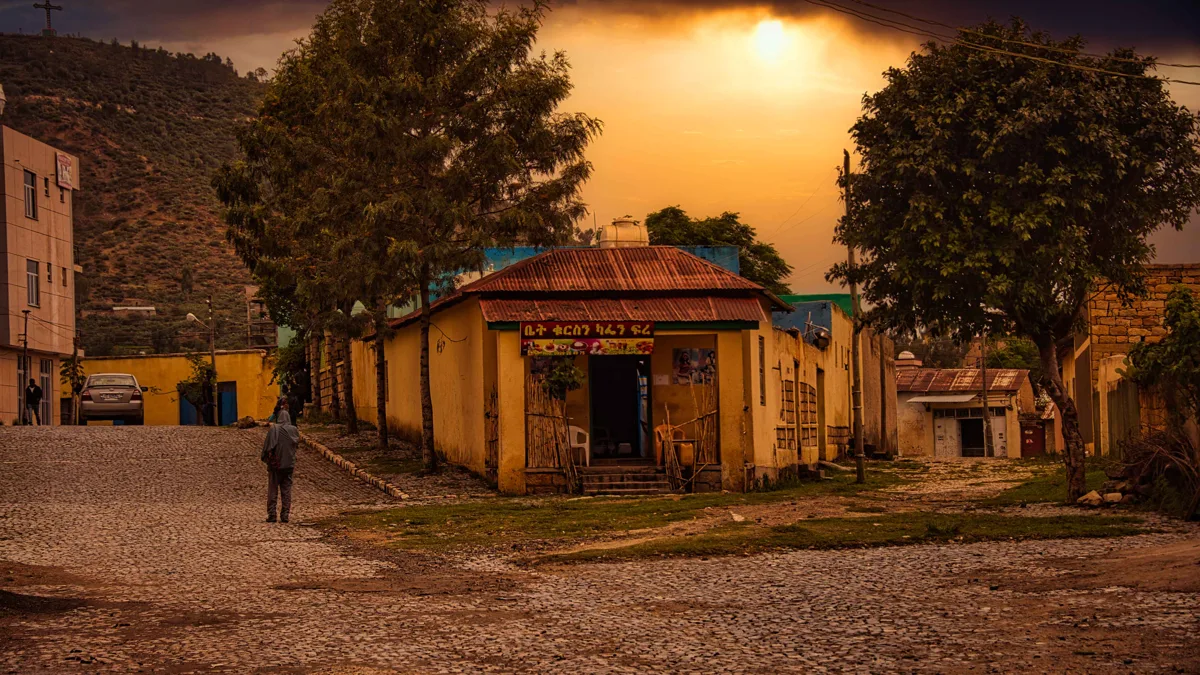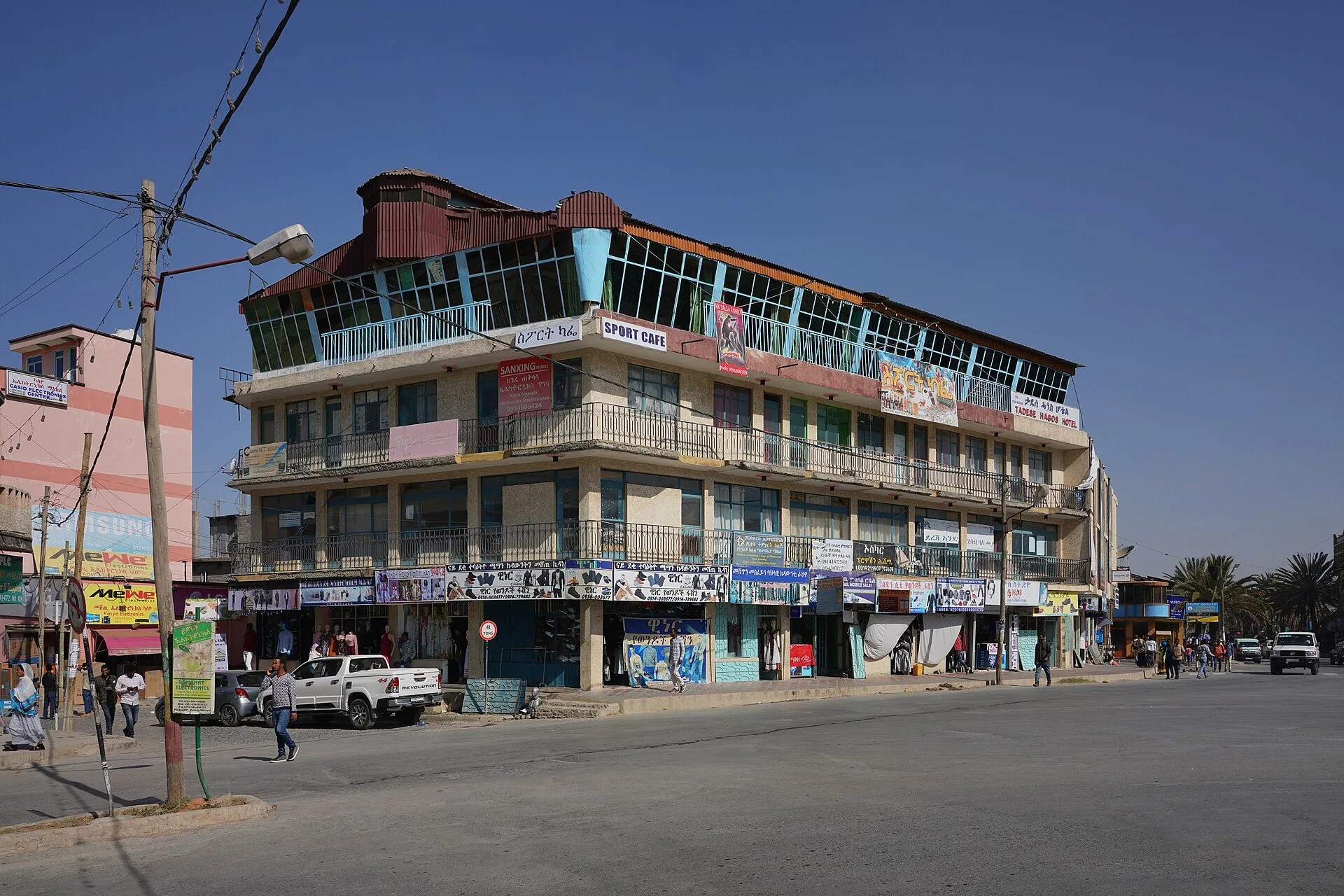
Ethiopian government forces and allied militias have regained control of Mekelle, the capital of the Tigray region, three sources told Reuters on Sunday, October 4 — dealing a major blow to the TPLF-led opposition alliance, which publicly acknowledged the loss in a Facebook statement announcing its retreat from the city.
How did Mekelle fall?
The TPLF-led opposition alliance launched a large offensive against the Ethiopian military on September 23, seizing Alula Aba Nega Airport in Mekelle — one of three airfields taken at the start of the fighting — and attacking government positions in the neighboring Amhara and Afar regions, making initial gains.
The counterattack came quickly. Late Friday, the pro-government Tigray Peace Forces militia said its fighters had taken full control of the airport; an Ethiopian general told the Associated Press, "The military is in full control of the airport," and AFP reported, citing a humanitarian source, that rebel groups were leaving the city as government forces moved in.
On Saturday afternoon, a source close to the Tigray Peace Forces said its fighters entered the center of Mekelle, followed by the Ethiopian military. A humanitarian source and a Mekelle resident, speaking on condition of anonymity, confirmed to Reuters that the city was under government control. The prime minister's office did not immediately respond to requests for comment. On Sunday, the TPLF said in its Facebook statement that the regional government would be "temporarily moved out of Mekelle and operate from somewhere else."
Reporting on the fighting is complicated by communication blackouts and restricted media access, and no independent account of casualties or damage in Mekelle was available.
Why does the fall of Mekelle matter?
The fighting is the worst escalation since the 2020–2022 civil war, in which more than 600,000 people were killed, according to The Business Standard. The TPLF, which ruled Ethiopia from 1991 to 2018, says it seeks to topple Prime Minister Abiy Ahmed's government.
The regional stakes are rising. Ethiopia and Eritrea severed diplomatic ties last week, each closing embassies and expelling diplomats. Addis Ababa accuses Eritrea — along with Sudan and Egypt — of backing the rebel alliance; all three countries deny the allegation. The African Union has called on all sides to exercise maximum restraint. Eritrea, meanwhile, accuses landlocked Ethiopia of planning to invade and seize access to the Red Sea. TPLF chairperson Debretsion Gebremichael said in a video message that "the war is regional and it is a war to control the Red Sea."
What is still disputed or unclear?
- Foreign backing: Ethiopia's claim that Eritrea, Sudan, and Egypt support the opposition alliance is denied by all three countries. No independent evidence has been published.
- Official silence: Ethiopia's government and military have not issued an official statement on the city's capture; the details come from anonymous sources, militia statements, and the TPLF's own admission.
- What's next: Gebremichael said on Thursday his forces would continue guerrilla attacks on government forces, echoing the insurgency that followed the last loss of Mekelle in 2020.