Iran attacked Kuwait early on Wednesday for the first time since September, Bahrain intercepted Iranian aerial attacks for the third time this week, and the Saudi-led coalition said it destroyed a Houthi cruise missile launched towards Riyadh — a widening of the Gulf exchange hours after US fighter jets struck a Revolutionary Guards missile launch site on Iran's Qeshm Island. Gulf countries said on Wednesday they had intercepted missiles and drones from Iran and its Houthi allies in Yemen, Reuters reported, in an uptick of hostilities despite diplomatic efforts to end the nine-month-old war. The exchanges are the latest step in a confrontation that has continued since Trump's October 25 deadline for a strike on Iran or a deal passed with neither a strike nor a deal. No casualties were reported in the sources opened for this article, and Kuwait did not immediately acknowledge any damage.
What happened in Kuwait and Bahrain?
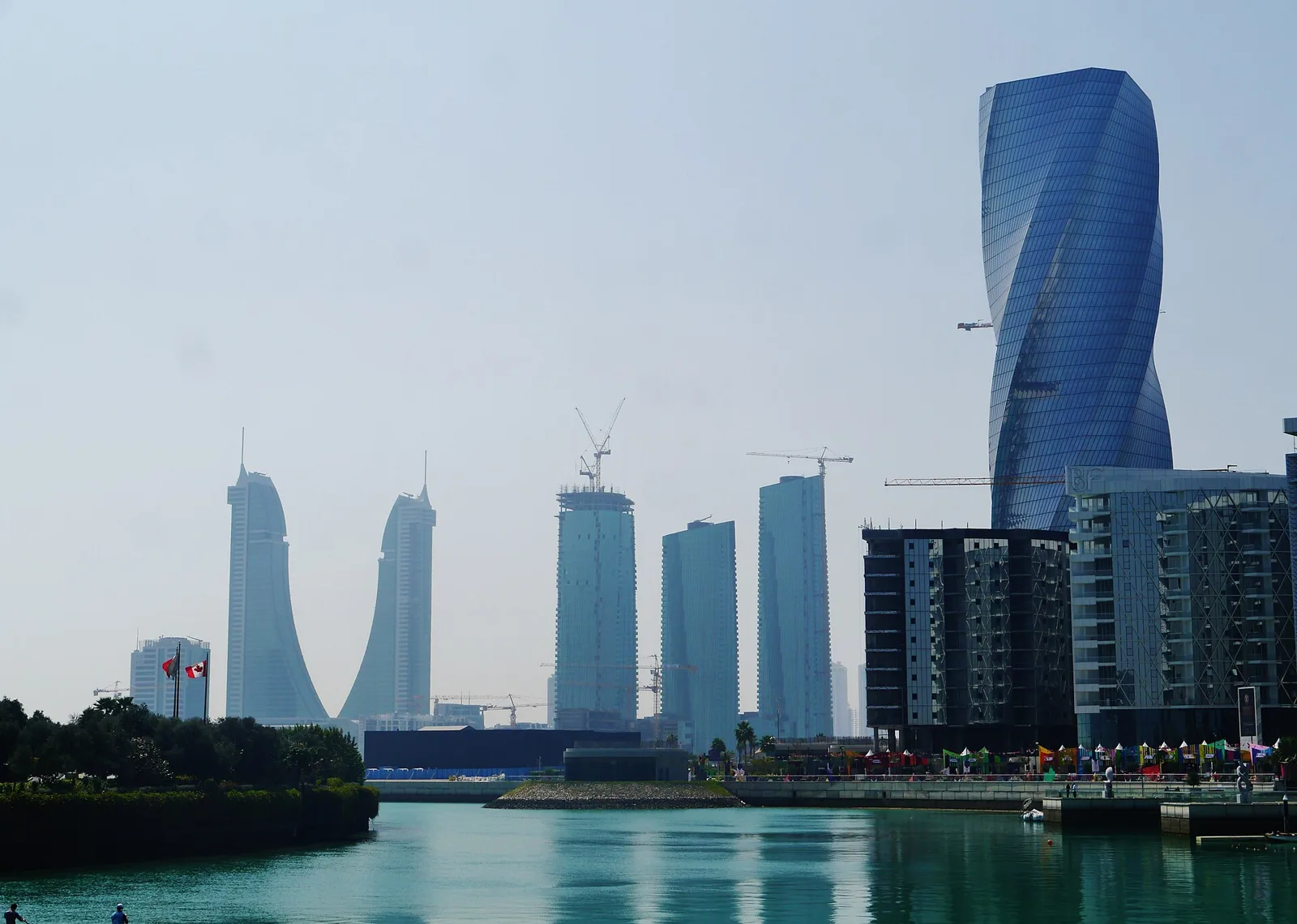
Iran's army said it had targeted US drone and missile installations at Kuwait's Ali Al Salem base, after Kuwait said its air defences were countering hostile drone attacks, Reuters reported. It was, Reuters said, the first Iranian attack on the oil-rich country since September. The Wall Street Journal, reporting independently, put the same point as the first Iranian assault on Kuwait in over two months and said Kuwait's military faced a wave of incoming drones; Ali Al Salem hosts US forces. In Bahrain, which hosts the US Navy's Fifth Fleet, the government said it intercepted Iranian aerial attacks for the third time this week and accused Tehran of maintaining a "systematic hostile approach" of targeting the country, Reuters reported. The Journal said missile alerts sounded twice before sunrise in Bahrain, with blasts heard as air defence batteries fired, and that Bahrain has been targeted three times over the past week.
What did the coalition say about the missile towards Riyadh?
The Saudi-led coalition fighting the Iran-aligned Houthis in Yemen said it destroyed a cruise missile launched by the militia towards the Saudi capital of Riyadh, Reuters reported. That interception rests on the coalition's own statement as carried by Reuters; no second independent source for it was opened in this run, and it is published here as the coalition's claim. Reuters also reported that Iran has kept pressure on Washington through its Houthi allies, who have intensified attacks on Saudi Arabia while tightening control over Yemen's Bab el-Mandeb Strait.
What set off the overnight exchange?
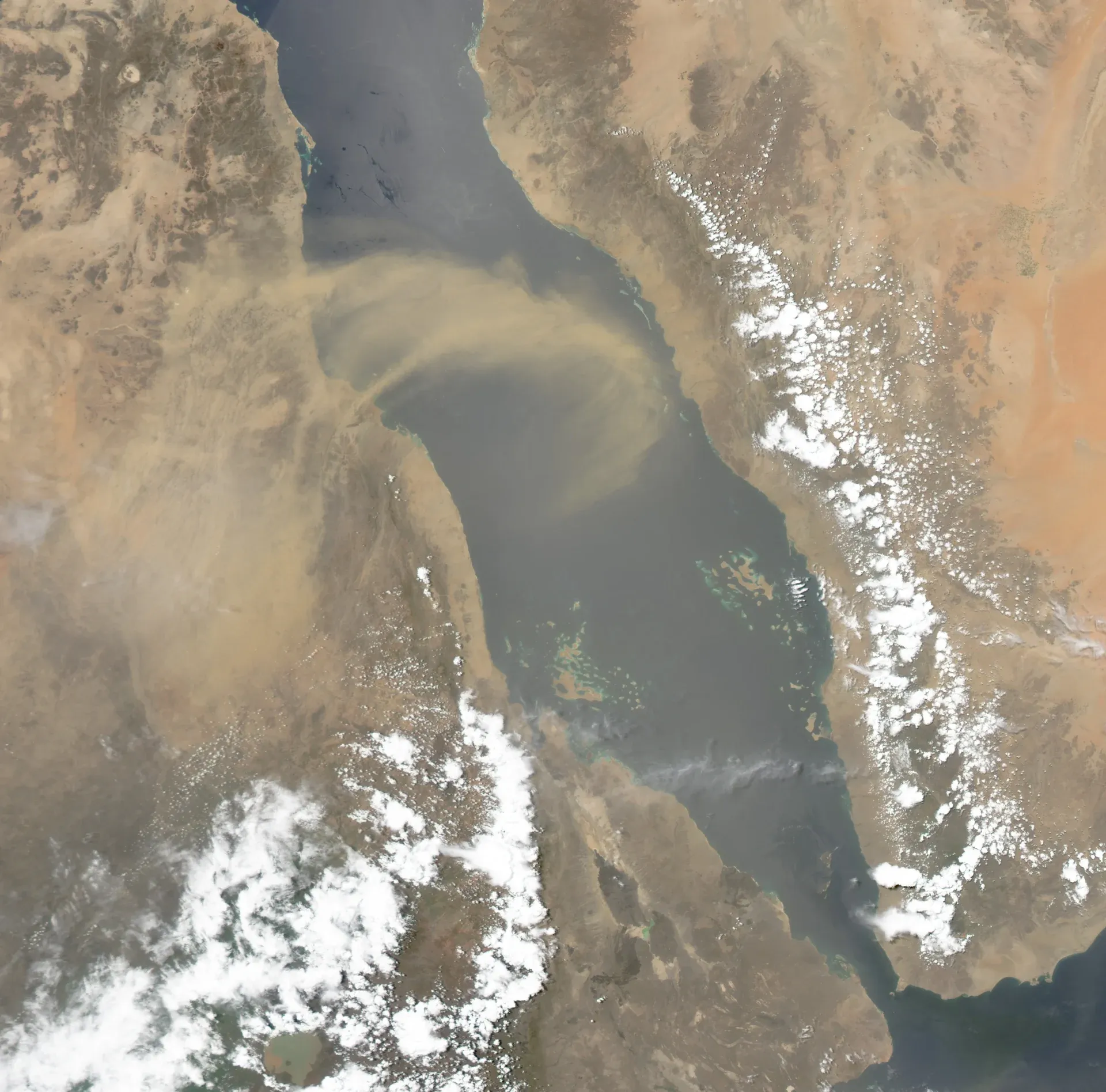
On Tuesday, US fighter jets fired on a Revolutionary Guards missile launch site on Qeshm Island, in the Strait of Hormuz, a US military official who spoke on condition of anonymity told Reuters; the official said the strike was in response to Iran's attacks on US personnel and assets. Iranian media, citing an Iranian official, said the US attack did not damage infrastructure. The strait carried about one-fifth of global energy supplies before the war and is now partly blocked by Iran, Reuters reported, and a surge in tanker attacks since October threatens to further strain supplies: on Tuesday a crew abandoned a liquefied petroleum gas tanker off Oman's Khasab, and the Journal reported that an Iranian attack set ablaze the Panamanian-flagged gas tanker Tara Gas off Oman, with 24 crew members rescued and one Indian mariner missing. The Journal also reported that the aircraft carrier USS Theodore Roosevelt has arrived in the Middle East, bringing the number of US carriers in the region to three. "The attacks on Kuwait and Bahrain are a signal that Iran retains both the capability and the intent to target US partners across the Gulf and are a reminder to leaders in the Gulf states that they remain vulnerable to retaliation for US actions in the Strait of Hormuz," said Kristian Coates Ulrichsen, an expert at Rice University's Baker Institute, quoted by the Journal. The exchanges came as Qatari and Iranian officials met on Tuesday for talks aimed at "bridging perspectives and narrowing the gap between proposals presented on the ground," Qatari spokesperson Majed Al Ansari said, in Reuters' account.
Sources: Reuters (18 November 2026, read in full via the rostered ktwb.com verbatim carrier and on reuters.com) and the Wall Street Journal (18 November 2026, read in full on wsj.com). The Kuwait and Bahrain attacks are confirmed by two independent outlets in different tiers — Reuters (Tier 1) and the Journal (Tier 2) — including the shared finding that the Kuwait attack was the first since September. The attribution of the Kuwait strike to Ali Al Salem base is Iran's army's own claim, carried by both outlets and published as such; Kuwait confirmed countering hostile drones and did not immediately acknowledge damage. The Riyadh cruise-missile interception rests on the Saudi-led coalition's statement carried by Reuters alone and is published as the coalition's claim, with that limitation stated. No casualty figures were reported for Wednesday's attacks in any source opened.