

The United Nations envoy for Yemen is racing to stop a war from reopening in full. Hans Grundberg said on Tuesday that he met the Houthis' chief negotiator, Mohammed Abdul-Salam, in Muscat over the weekend to explore "if there are ways of how to avoid seeing the current escalation go even further."
Grundberg, speaking in an interview with The Associated Press in Cairo, said he also held talks in Riyadh with the internationally recognized government and regional powers, including Saudi Arabia, which he said has been the main target of the Houthis' latest escalation — an escalation he described as "unprecedented" and "dramatic."
The biggest Houthi land grab in years
The violence that brought the envoy to Muscat began in early September. Aided by Iranian experts, the Houthis stormed down the Red Sea coast, capturing the strategic city of Mokha — in the middle of the night of September 9, according to Le Monde's on-the-ground reporting — along with a number of Red Sea islands, extending their reach to the Bab el-Mandeb Strait. AP called it the Houthis' biggest land grab in years, and it ended the 2022 ceasefire that had largely stopped major fighting in Yemen's 12-year civil war.
The rebels have also intensified attacks across the border into Saudi Arabia, striking its oil facilities and preventing its tankers from passing through the Bab el-Mandeb strait, through which around 12 percent of global trade passes. The "aided by Iranian experts" framing is AP's own — and Grundberg himself noted the role of regional influence, telling AP that "the influence of regional parties, including Iran, and also other neighbors to Yemen" has shaped the course of the conflict.
The fighting has killed at least 838 people and wounded more than 3,640, according to the UN. The flare-up forced more than 145,000 people to flee their homes inside Yemen, per the UN migration agency, with over 3,000 others fleeing across the water to Djibouti. The UN human rights chief, Volker Türk, reported at least 125 civilians dead or wounded since the fighting resumed, and the UN expects the number of displaced to rise toward 230,000 in the coming months.
Shipping lanes back in the crosshairs
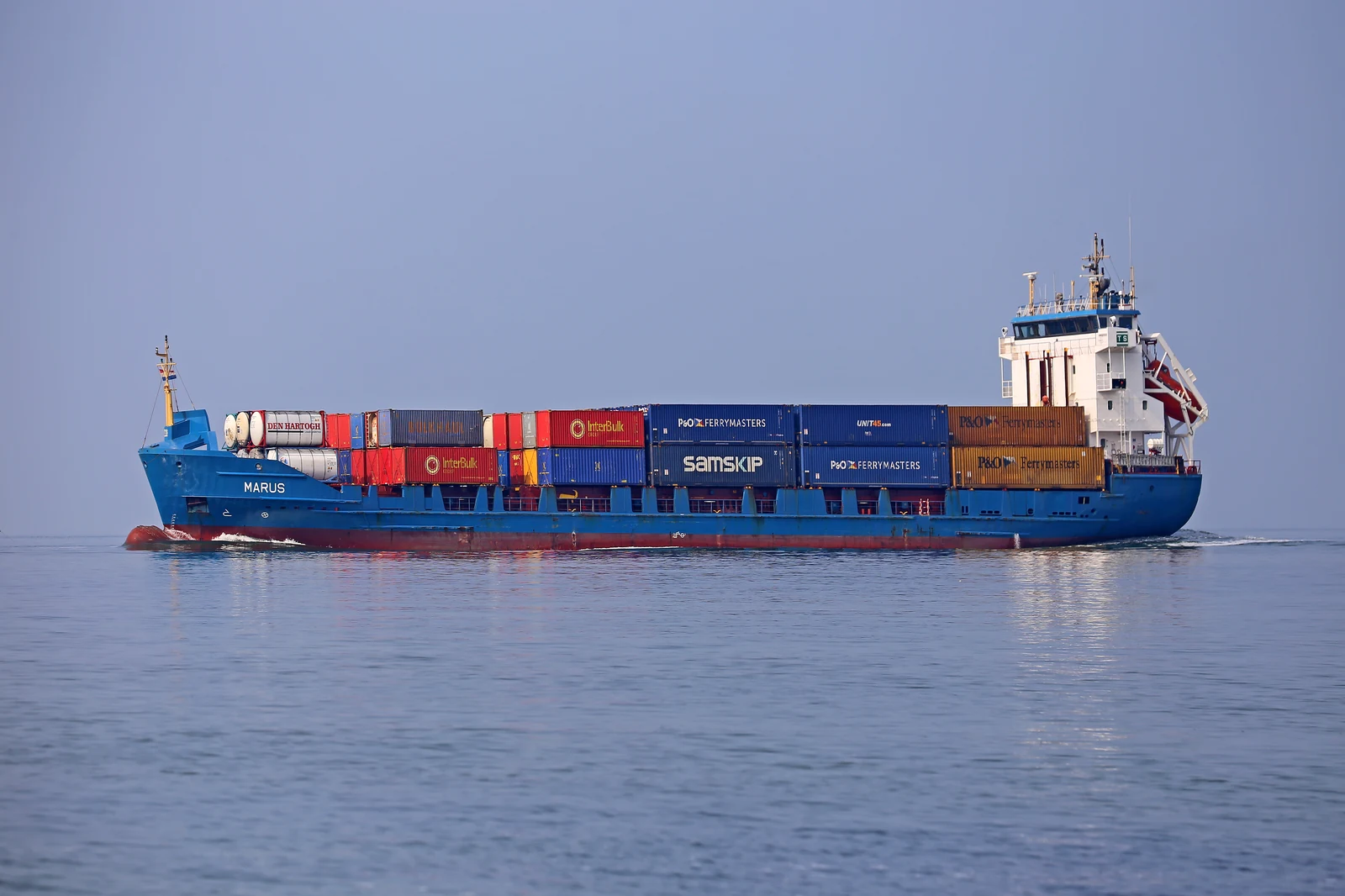
The fighting's geography is what alarms the shipping world. Grundberg told AP that the battle lines have shifted to the Red Sea coast, where "the most sensitive front lines" threaten maritime corridors crucial for global trade. "We've seen attacks also on commercial shipping in the Red Sea, and it's a development that is alarming and that should be a concern for the Security Council," he said.
The humanitarian picture behind the diplomacy is stark. Yemen was already one of the world's worst humanitarian crises before September: more than 18 million Yemenis — about half the population — suffered from acute food insecurity, 2.2 million children under five were malnourished, and the country already had more than 4.5 million internally displaced people, according to Le Monde. The Houthis' north, home to 70 percent of the population on only 30 percent of the territory, now has just two entry points for food and medicine — the port of Hodeida, operating below capacity since its cranes were destroyed, and Sanaa airport, unusable for large cargo planes.
A proxy war that won't disentangle itself
Grundberg acknowledged that Yemen's conflict has become increasingly connected to the wider regional wars that began with Hamas's October 7, 2023 attack on southern Israel and, in AP's framing, most recently the US-Israeli war against Iran. The conflict has turned, AP reported, into a regional proxy war between Saudi Arabia and Iran, with the United States long involved on the periphery providing intelligence assistance to the kingdom — though international criticism over Saudi airstrikes killing civilians saw Washington pull back its support.
The envoy's prescription is to separate the threads: the Yemen war needs to be treated on its own terms and settled in a process "defined by Yemenis," he said. "My recommendation at this point is to make sure that you disentangle these conflicts and you address them one by one effectively and efficiently through negotiations."
For now, Grundberg's own assessment is sober: "The current situation is going to be challenging to resolve. There's a lot of dust in the air that needs to settle before they can make their own assessment on what the best alternative for the way forward is, whether it is on the battlefield or whether it is around the negotiation table."


