
The United States announced a new round of sanctions on Tuesday targeting Iran's weapons-procurement networks, designating 13 individuals and entities across Russia, China, Hong Kong, and Pakistan that Washington says helped Iran's Defense Ministry acquire weapons and components.
The move — branded "Operation Economic Outcast" by the Treasury Department — is part of the Trump administration's broader campaign to isolate Iran economically and pressure Tehran to negotiate an end to the U.S.–Iran war that began with the February strikes on Iran, Reuters reported.
The Treasury action: 10 designations
The Treasury Department's Office of Foreign Assets Control (OFAC) sanctioned 10 individuals and entities it said were procuring finished weapons systems, dual-use components, and electronics on behalf of Iran's Ministry of Defense and Armed Forces Logistics (MODAFL), which oversees weapons research, production, and acquisition for Iran's armed forces.
Those named, as reported by Reuters, included:
- Seyyed Asghar Alizadeh Tabatabai, a Beijing-based representative of Iran's defense ministry logistics agency, who Treasury said coordinated the procurement of finished weapons systems and dual-use components in China on Iran's behalf.
- Kavoshcom Asia R&D Group, Iran-based, which Treasury said procured electronics — including connectors for Iran's aircraft manufacturing industry.
- EC Mojo Technology Co Limited, Hong Kong-based, plus its China-based representative Li Fen, which Treasury said provided electronic components supporting Kavoshcom's procurement.
- Waseem Pasha Tajammal, chairman of the privately owned Cavalier Group, a defense company operating in Pakistan and internationally.
Treasury Secretary Scott Bessent framed the action in uncompromising terms: "Under Operation Economic Outcast, Treasury will continue to target and disrupt those who provide material, technological, or financial support that allows the Iranian regime to sustain its terrorist enterprise. Treasury will not tolerate any support to the regime and will continue to identify, expose, and isolate Iran's enablers."
The State Department action: a Russian jet maker and a weapons-carrying shipping line
In a parallel action, the State Department added three more targets: the Iranian airline Saha Airlines, linked to Iran's air force; and two Russian companies — aircraft manufacturer Yakovlev and the shipping firm MG-Flot, previously known as TransMorFlot — according to State Department documentation carried by international press.
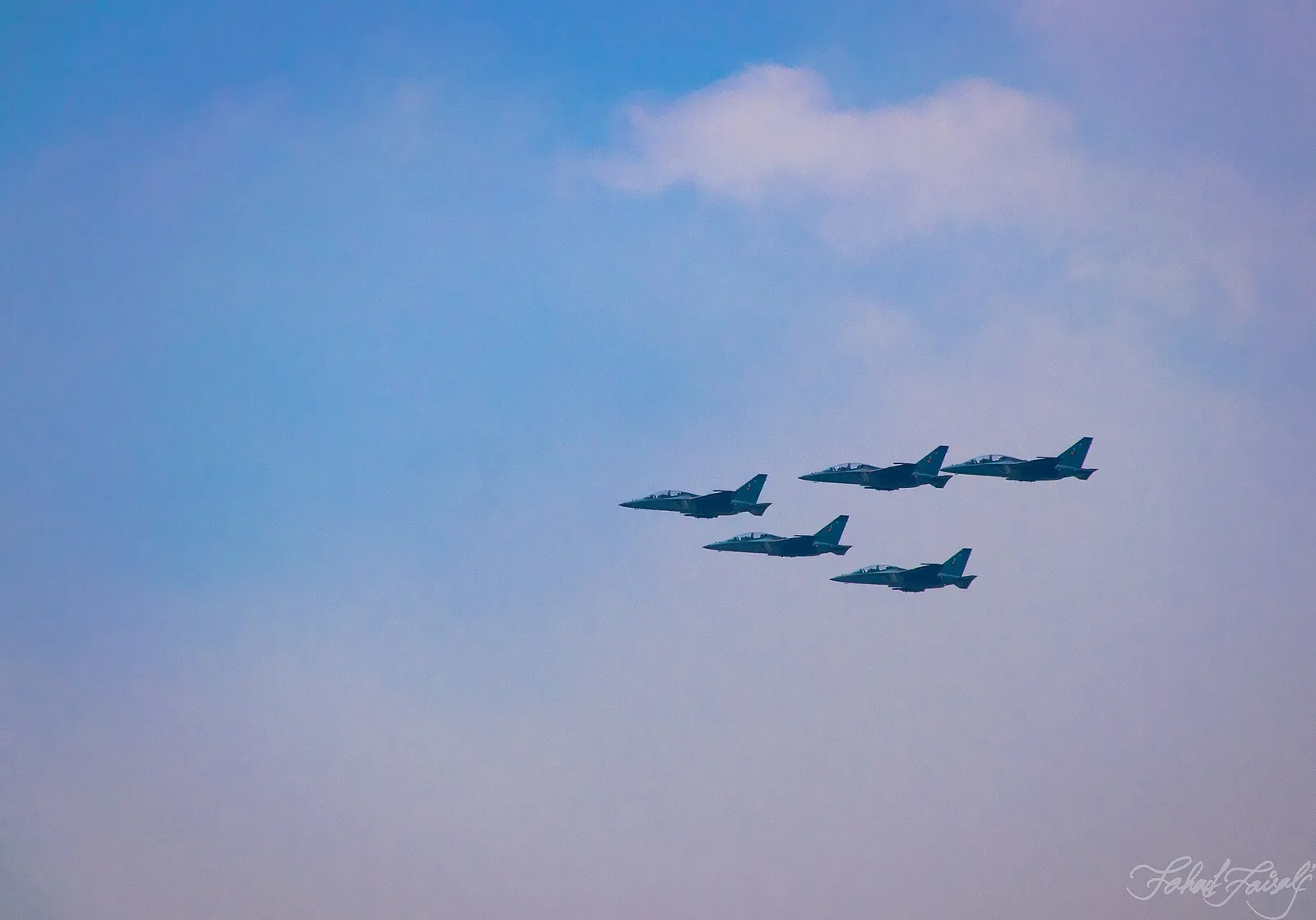
The State Department's stated justification for Yakovlev was the delivery to Iran of roughly 24 advanced Yak-130 training aircraft between late 2023 and December 2025. MG-Flot, Washington alleged, used its vessels to transport Iranian-made short-range ballistic missiles to Russian territory in 2024 and air-defense systems by the end of 2025. These are U.S. government allegations, presented as such — they illustrate why the sanctions package lands squarely on the Iran–Russia military relationship, not just on Iran.
Why now
Treasury said the measures were aimed at degrading Tehran's ability to reconstitute its weapons programs while raising the cost for anyone who supports its procurement efforts. The timing underscores a shift in how Washington is waging the economic side of the conflict: rather than only squeezing Iranian oil or finance, the U.S. is going after the supply chains — the Chinese electronics brokers, the Pakistani defense middlemen, the Russian aircraft maker, the shipping lines — that let a sanctions-battered military keep rebuilding.
Whether the designations change the underlying math is a separate question. Iran's procurement networks have adapted to two decades of sanctions, and both Moscow and Beijing have shown little interest in enforcing Washington's restrictions. But the geography of this round — four countries across Asia and Europe, plus Iran itself — is a statement of intent: the U.S. considers Iran's rearmament a network problem, and says it will treat the whole network as the target.


