A quiet wartime handover has turned into a public diplomatic fight between two countries that, until now, had kept their disagreements largely private. Ukraine's disclosure that it transferred two captured North Korean soldiers to South Korea has drawn an unusually sharp rebuke from Seoul — and on Wednesday, South Korea's intelligence service briefed lawmakers on the terms of the transfer, which Kyiv insists carried no preconditions at all.
The row matters beyond the two capitals: it touches on how North Korean troops ended up fighting for Russia in the first place, and on Ukraine's long-running campaign to persuade South Korea — a major arms producer — to supply lethal weapons.
What happened
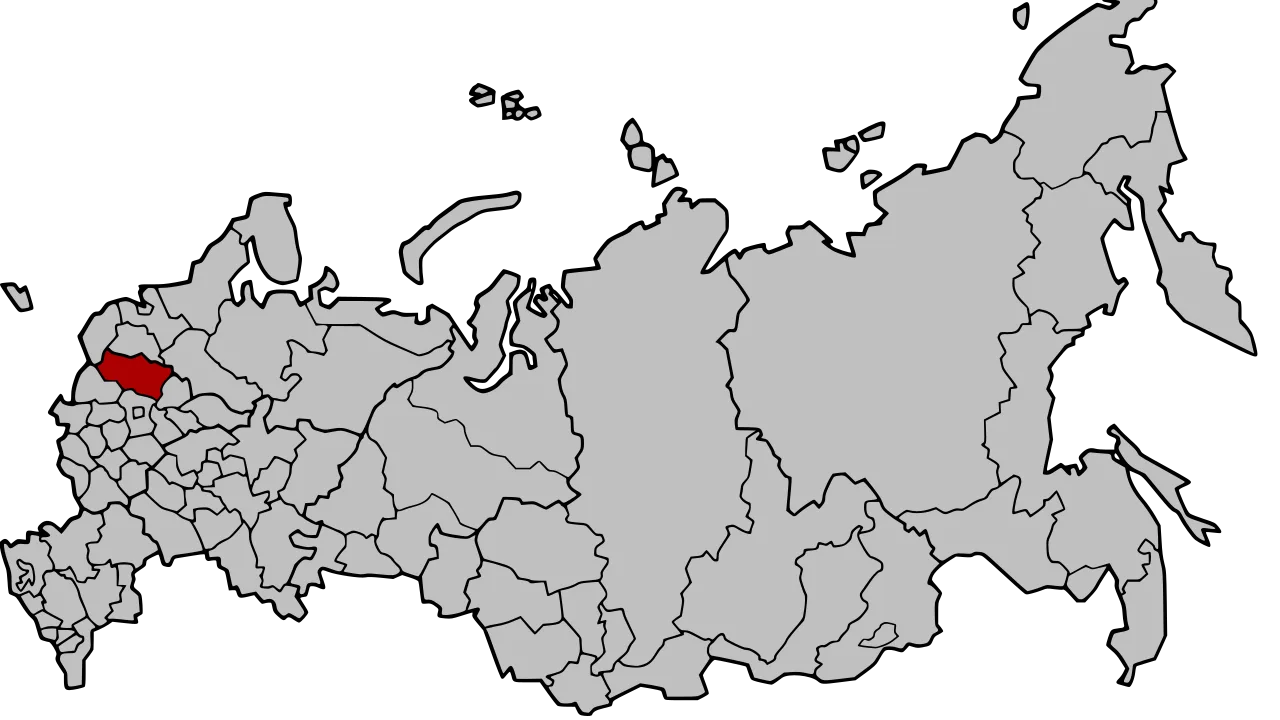
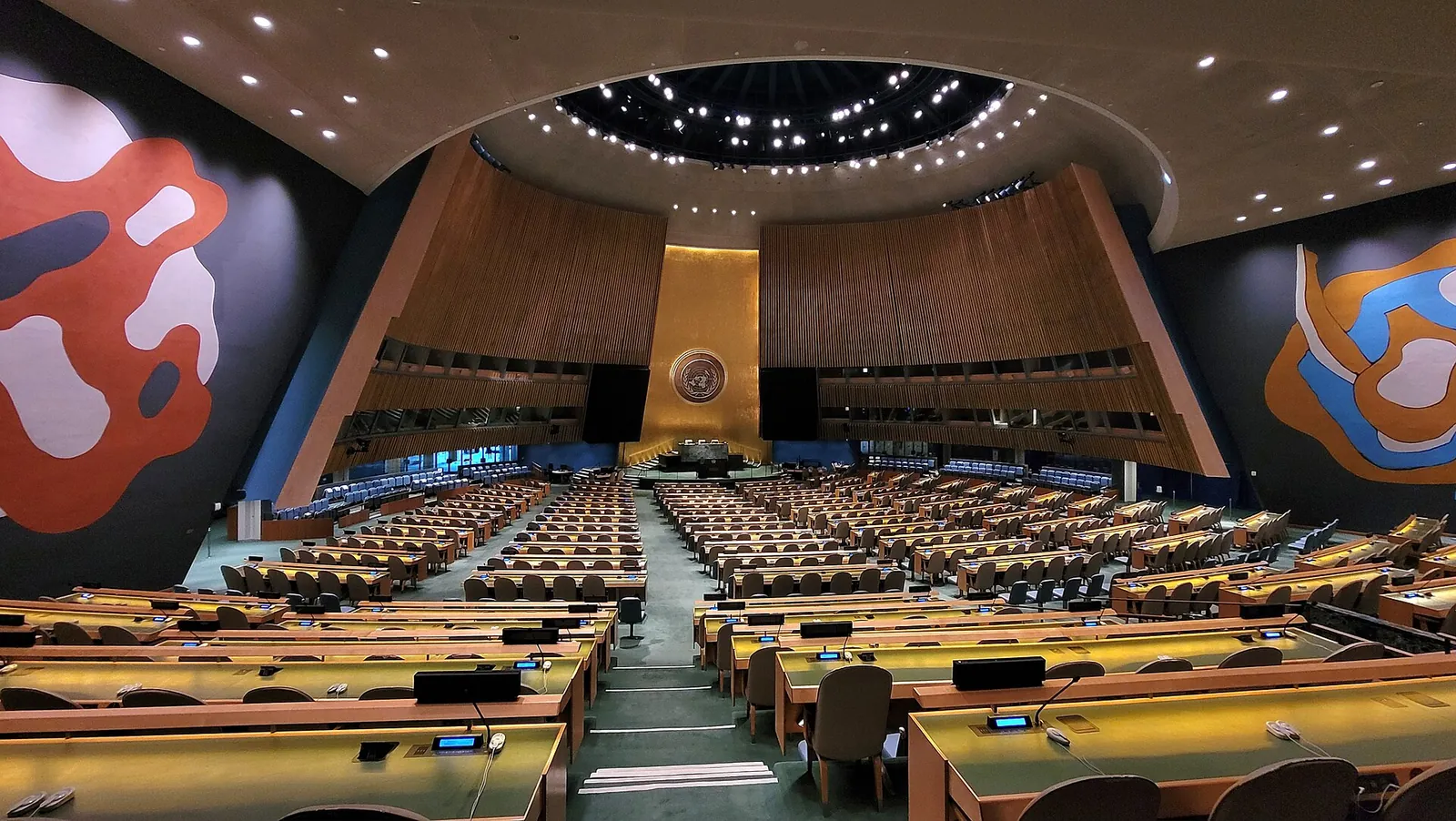
Ukrainian President Volodymyr Zelenskyy disclosed the transfer in his address to the UN General Assembly last week, announcing that Ukraine had handed two captured North Korean soldiers to South Korea. The pair had been captured during fighting in Russia's Kursk region, where North Korean personnel have been fighting alongside Russian forces.
After the disclosure, South Korea's presidential office demanded an official explanation and apology from Ukraine, accusing Kyiv of violating an agreement to keep the move confidential in order to protect the soldiers and their relatives in North Korea. Ukraine's response: no secrecy agreement existed.
No preconditions, no aid pledge
On September 30, South Korea's National Intelligence Service (NIS) briefed lawmakers on the transfer, and the details were relayed to reporters by lawmaker Yoo Yeong-ha of the opposition People Power Party. According to the briefing, reported by Reuters:
- Ukraine imposed no preconditions on the transfer.
- South Korea made no promise of military support for Ukraine's war effort in return.
- The transfer took place in mid-September, as confirmed by a second lawmaker, Youn Kun-young, who was also briefed.
- The two soldiers had no health issues on arrival.
Ukraine has not apologised or expressed regret over the disclosure so far, Yoo said, citing the NIS.
What happens to the two soldiers now
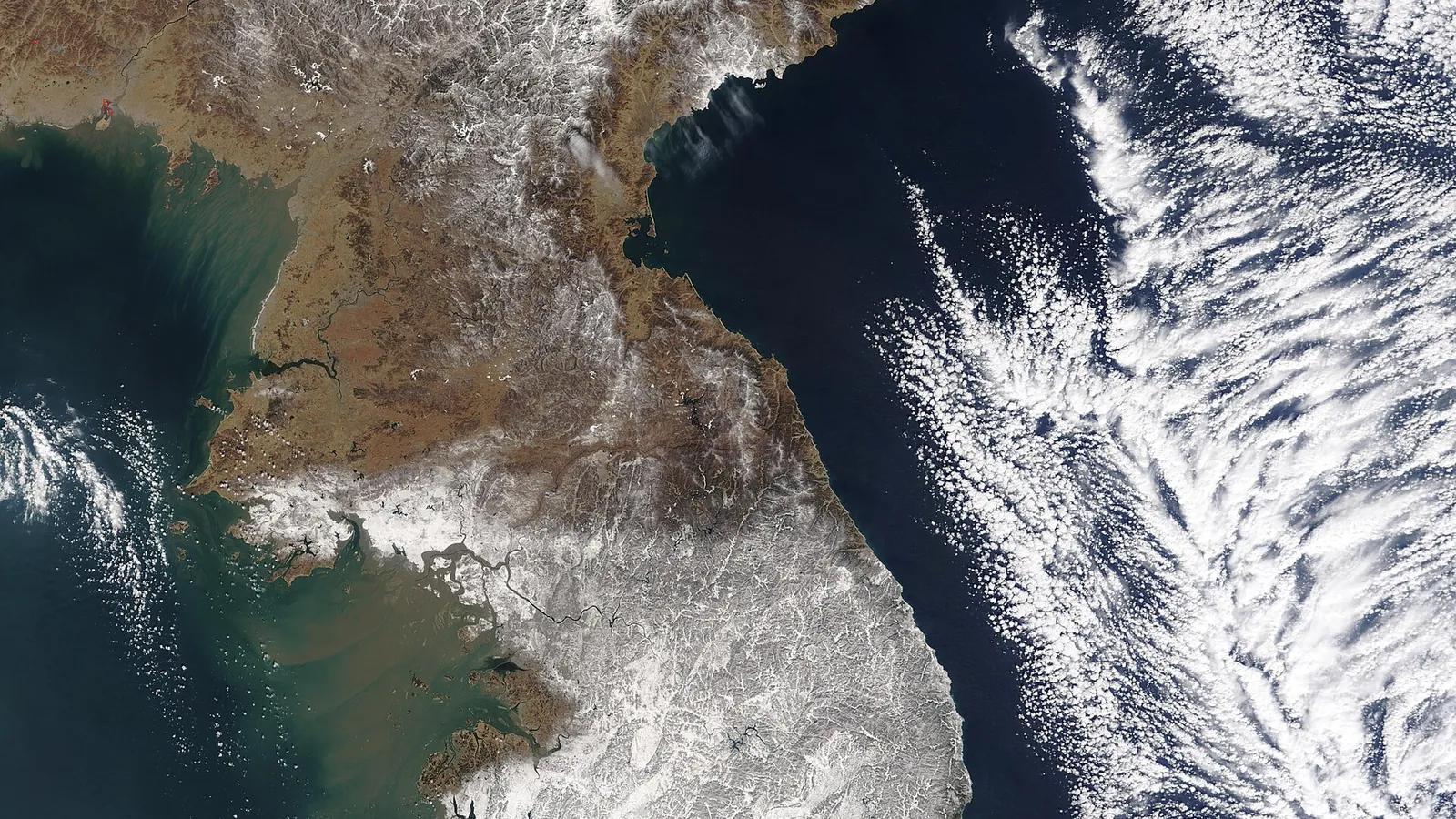
The pair will undergo questioning and security screening before South Korean authorities decide whether to grant them protection and begin a resettlement process. Under South Korean law, the NIS investigates applicants held in temporary protective custody, verifying their identities, their reasons for leaving North Korea, and any security-related concerns.
One detail from the briefing hints at the underlying tension: Yoo said Zelenskyy may have announced the transfer hoping it would build public support in South Korea for providing weapons and other aid to Ukraine. Ukraine's embassy in Seoul did not immediately respond to Reuters' request for comment on that claim.
The bigger ask: South Korean weapons
South Korea is one of the world's major arms producers, and Western countries and Kyiv have pressed it to supply Ukraine with lethal weapons. So far Seoul has limited itself to non-lethal aid, including demining equipment — a position that has been a recurring friction point in the relationship.
That friction has intensified as North Korea's role in the war has grown. Zelenskyy said this week in a post on X that more than 8,000 North Korean troops were on Russian territory and that preparations were underway to deploy a further 10,000 — figures he stated as his own government's assessment, not independently verified. In August he warned that as many as 50,000 North Korean soldiers could be sent to fight for Russia and called on South Korea to support Ukraine's air defences.
The POW dispute, then, is about more than protocol. For Kyiv, the transfer is evidence of North Korea's deepening involvement in the war — and a lever in its long campaign for South Korean arms. For Seoul, the disclosure broke a trust it considered binding, and the presidential office's demand for an apology suggests it will be watching what Ukraine does next.