Ukraine's drone attack on Russia in the early hours of Monday was the biggest of the war: Russia's Defence Ministry said its air defences brought down 1,336 Ukrainian drones across 16 regions, Reuters reported — more than the previous record of 1,254 registered on October 29. The count is Moscow's own, and Reuters noted there was no clear picture of the damage inside Russia, where officials rarely provide details. What is documented is where the wave landed: the Crimean Bridge was struck, industrial sites burned in the Azov area, and Russia's strikes on Ukraine's power grid the same night left hundreds of thousands of people without electricity. The bridge strike itself is covered in this site's earlier report from Kerch; this report covers the full scale of the night's exchange, which only became clear later on Monday.
How big was the attack, and where did the drones come down?
By the Defence Ministry's tally, 1,336 drones across 16 regions, with some brought down over Crimea — the Black Sea peninsula Russia seized and annexed from Ukraine in 2014 — and over the waters of the Sea of Azov and the Black Sea. The record is part of a pattern Reuters has tracked through the autumn: the scale and frequency of Ukrainian drone attacks have increased from the summer onward, and the refinery campaign in particular has sharply ramped up since the end of October. The ministry's figure measures interceptions as Moscow reports them; it could not be independently verified, and neither side published a verified count of how many drones were launched.
What did the attack hit inside Russia?
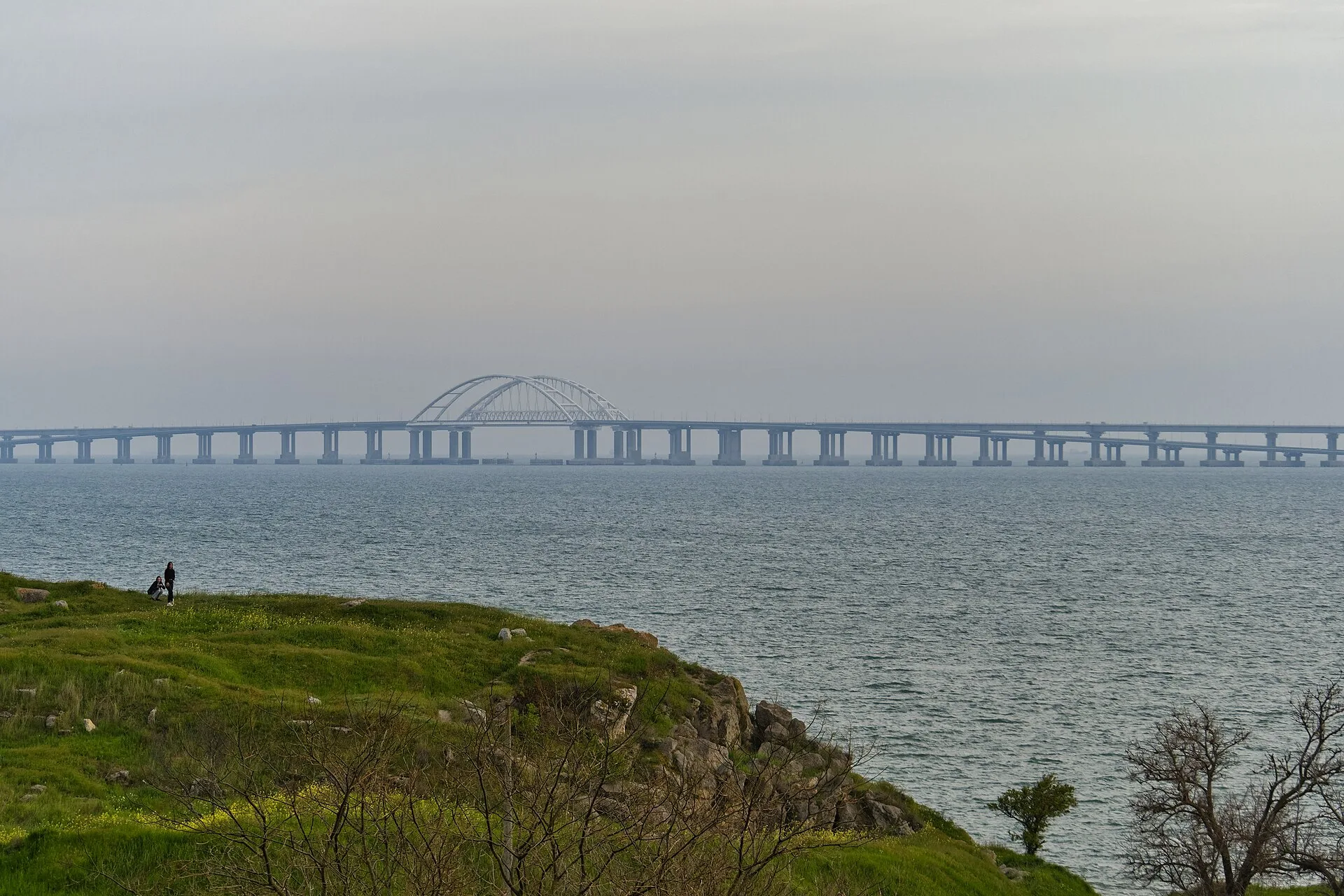
The Crimean Bridge, first. Sergei Aksyonov, Crimea's Russian-backed governor, said Ukraine struck the strategically important road and rail bridge connecting the peninsula to the southern Russian region of Krasnodar. The Kremlin called the damage minor; road traffic was temporarily suspended while repairs were undertaken, but rail traffic continued as normal, the transport ministry said. Further north, in the city of Azov in the Rostov region, Ukrainian drones sparked fires at four industrial facilities and three men were hospitalised, regional governor Yuri Slyusar said; falling drone debris also damaged three homes in the Millerovo district. In the neighbouring Krasnodar region, authorities reported a fire at a company site in Ilsky — home to an oil refinery repeatedly targeted by Ukraine — and six people injured in nearby Severskaya, where drone debris hit a house. Authorities also reported one death each in the Russian border regions of Belgorod and Bryansk. Ukraine has targeted Russia's oil and gas industry to disrupt military supplies and reduce the energy revenues funding Moscow's war.
Has Ukraine really disabled over half of Russia's refining capacity?
That is Kyiv's claim, published here as a claim. President Volodymyr Zelenskyy said late on Sunday that Ukrainian attacks had knocked out over half of Russia's refining capacity — more than 55 percent, in his figure. Russian officials did not comment on the claim, Reuters reported, and independent verification was not possible. The one figure Moscow has conceded is economic: in a rare acknowledgment of the strikes' impact, President Vladimir Putin said on October 1 that they had cost Russia roughly 1 percent of its gross domestic product. Kyiv's stated logic runs the other way as well: Ukrainian officials say newly imposed speed limits on the US-made Starshield satellite system have weakened Ukraine's air defences, and that its forces are adapting by launching pre-emptive attacks on Russian weapons plants and on the sites Russia uses to launch its own drone and missile attacks.
What did Russia strike in Ukraine on the same night?
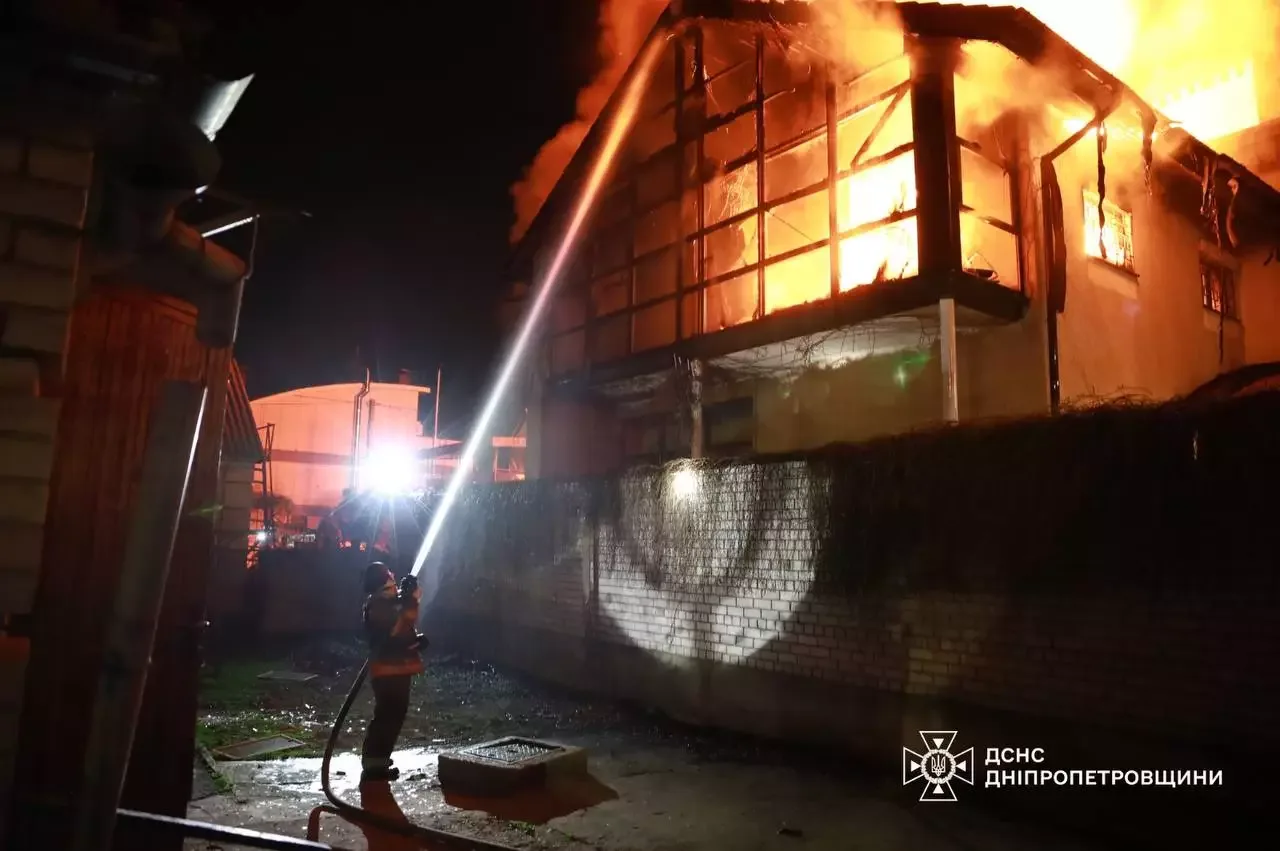
The grid, and the cities behind it. Russian strikes killed at least three people in Ukraine on Monday, authorities on both sides reported: one person was killed and 10 injured, two of them seriously, in an early-morning attack on the industrial city of Dnipro, regional governor Oleksandr Hanzha said, and two more people were killed in the Zaporizhzhia region, where a 59-year-old man died in Bilenke and a woman was killed in a strike on infrastructure in the city of Zaporizhzhia, military administrator Mykhailo Semikin said. Russian strikes on power lines and substations in the Zaporizhzhia and Dnipropetrovsk regions left hundreds of thousands of people without electricity, Prime Minister Serhii Koretskyi said on Monday — the latest round of a winter campaign Ukrainians are bracing for as what could be the hardest winter since the war began, Reuters reported. Zelenskyy said Russia had launched more than 2,300 attack drones, 1,590 glide bombs and 15 missiles of various types against Ukraine over the past week alone. The full Ukraine file is tracked on this site's Ukraine hub, and the strike war's longer arc is set out in the Ukraine war explainer.
Sources: Reuters (16 November 2026, read in full on reuters.com and via its europesays.com verbatim carrier) for the ministry tally, the record comparison, the bridge strike, the refining-capacity claim and its unverified status, the Putin GDP remark and the grid outages; a wire report of 16 November 2026 (read in full via europesays.com) for the Dnipro, Zaporizhzhia, Azov, Ilsky, Belgorod and Bryansk casualty and fire reports, each attributed to the named regional officials. The 1,336 figure is the Russian Defence Ministry's count as reported by both outlets; it is not an independently verified launch total. Casualty figures on both sides rest on the officials named and are published as their reports.