Nine Rapid Support Forces drone strikes on El Obeid killed 37 civilians and injured 10 between June and August — and should be investigated as war crimes, Amnesty International said on Thursday. The Sudan RSF drone strikes on El Obeid are the city-level evidence behind the toll this site reported on Tuesday, when the UN counted over 1,630 drone deaths across Sudan this year: Amnesty's investigators documented what that campaign looked like on one besieged city's market, power plant and fuel stations. The war's structure is set out on the Sudan hub and in our explainer on the Rapid Support Forces themselves. Every finding below is Amnesty's, published as its investigation; the RSF's denial is carried in full.
What did Amnesty's investigation document?
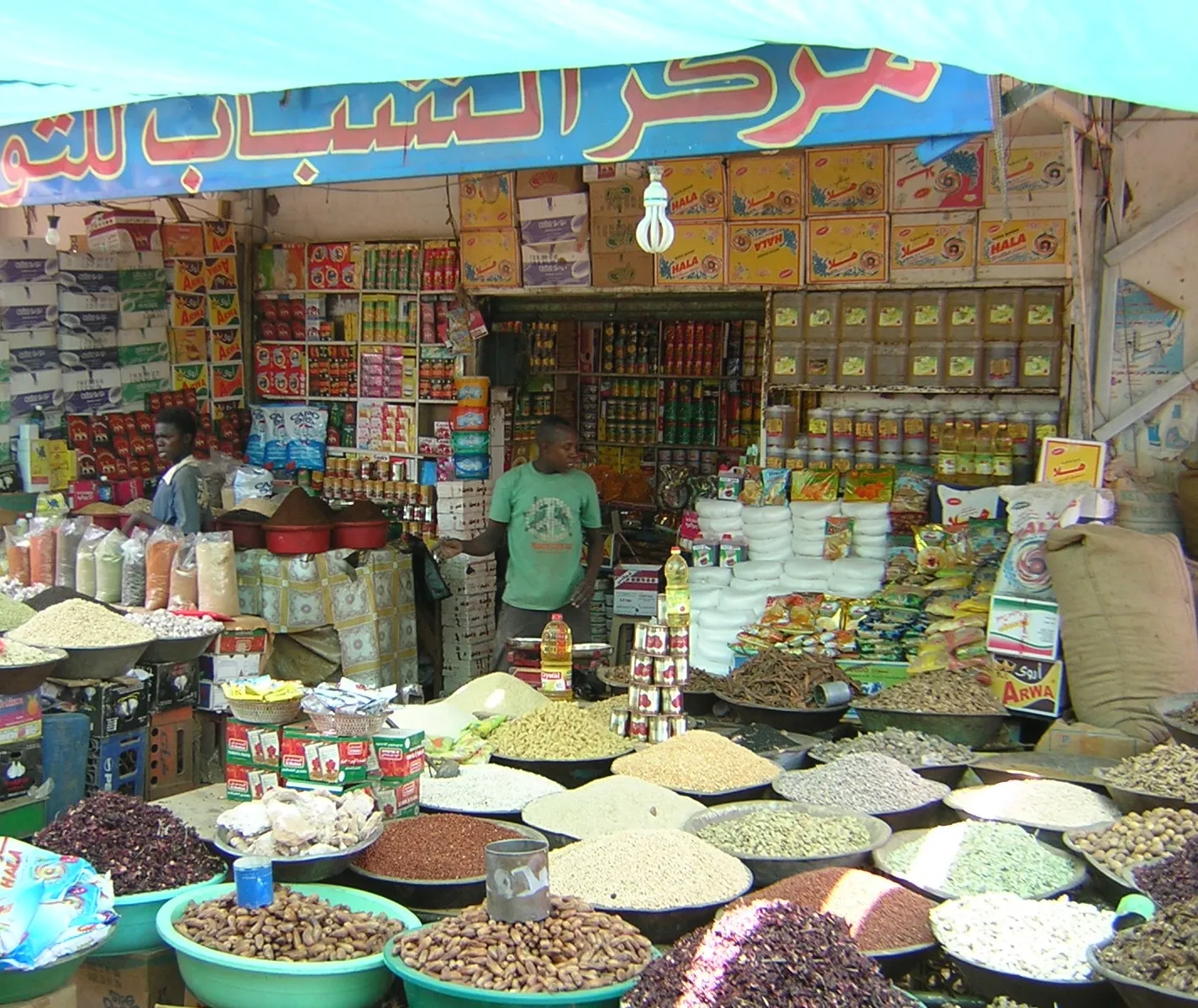
Nine strikes, investigated one by one. Three hit residential areas; four struck key civilian infrastructure — El Obeid's power plant, fuel stations and the main market; and two targeted moving vehicles. In all incidents, interviewees said they either saw or heard the drones moments before or after the strikes. Amnesty's investigation did not identify military objectives in the vicinity of the sites at the time they were struck. Between July and September, its researchers interviewed 29 people from El Obeid — victims, relatives, eyewitnesses and residents — and analyzed five photos and videos, satellite imagery and humanitarian and UN agency reports.
The residential strikes carry names and dates in Amnesty's account. On 10 June, Amnesty documented, a strike hit civilians carrying a body for burial at the Dalil cemetery in the north-west of the city, killing at least five people and injuring three. On 11 June, Amnesty documented, attacks on neighbourhoods including Al-Matar and Al-Muwazzafin hit a residential home in Al-Matar, killing at least 9 civilians; a 41-year-old doctor whose house was struck told Amnesty a second bomb fell on neighbours who had come out to fight the fire, killing her husband, her uncle and seven neighbours. On 12 August, Amnesty documented, a strike hit the Agricultural Bank near the main market, killing two civilians — Zeinab Babu, 52, and Ahmed Salah Awad — and injuring five.
How was the city's infrastructure hit?
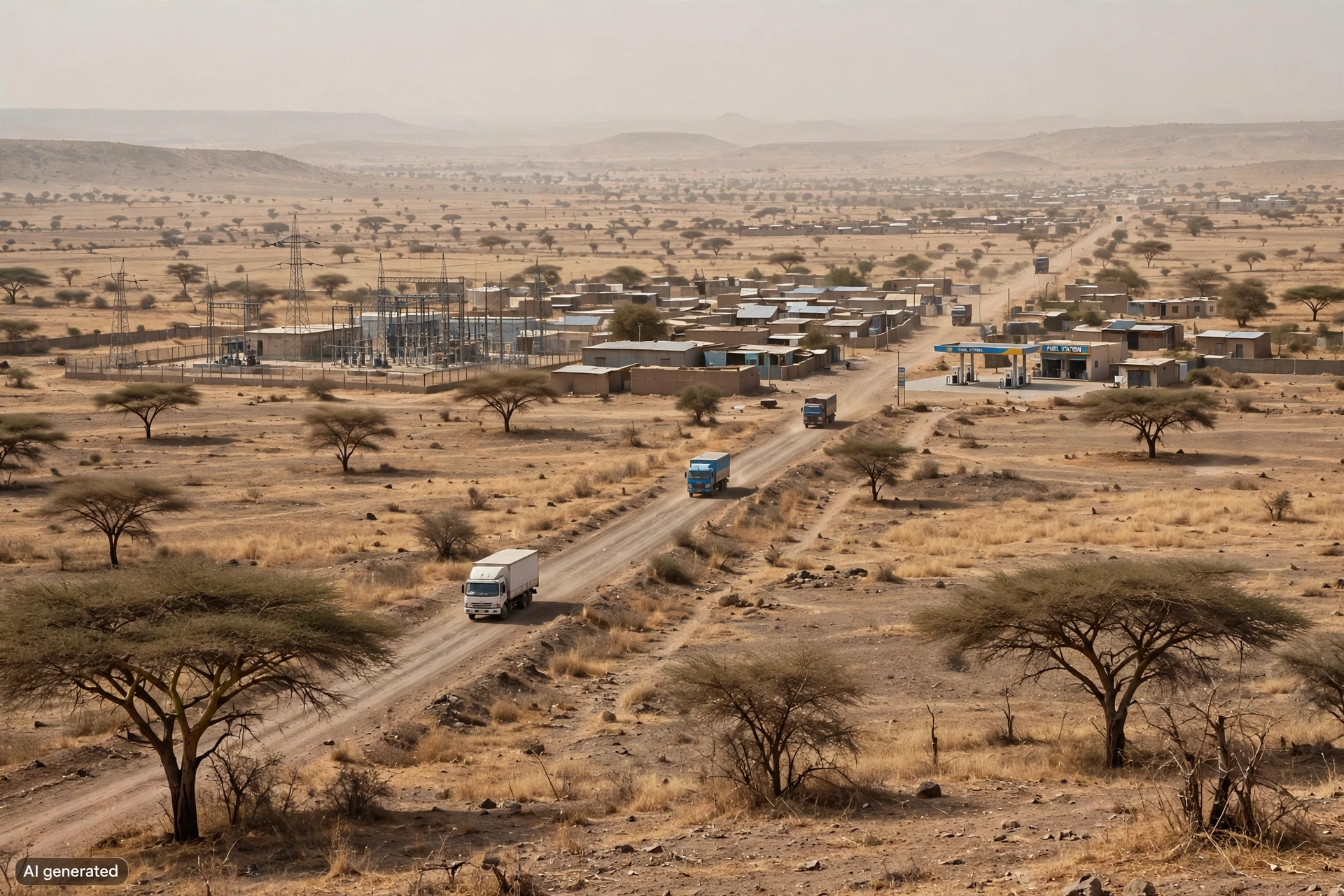
Systematically, across June and July, on Amnesty's documentation. On 18 June, Amnesty documented, a strike hit El Obeid's main electricity station, sparking a fire and a city-wide blackout — satellite imagery from 20 June confirms a newly visible burn area at the facility, and NASA nighttime-lights data shows a significant drop in radiance over the city on 19 June; residents and humanitarians told Amnesty the outage exacerbated an already chronic water and food crisis. Fuel stations were struck in sequence, Amnesty documented: Al-Mithaq on 6 June, killing at least five civilians; al-Nahla on 22 June, killing two; Agip on 25 June, destroying 10 civilian vehicles with no casualties reported. By July, Médecins Sans Frontières assessed — in Amnesty's report — that almost no functional fuel stations remained in El Obeid and a litre of gasoline cost nearly $15 and possibly more on the black market. The vehicle strikes Amnesty documented killed a food-supply trader on the El Obeid–Al Rahad road on 10 June and 13 wedding guests near al-Sha'toot on 6 July.
El Obeid, North Kordofan's capital, remains under Sudanese Armed Forces control and has been under partial RSF siege for nearly two years. The RSF first attacked the city with drones in October 2025 and escalated sharply in June 2026 as it reportedly prepared a ground offensive — raising fears, Amnesty said, of a repeat of the atrocities committed when it seized El Fasher a year ago.
What did the RSF say, and what is Amnesty demanding?
Amnesty wrote to the RSF on 8 October. The RSF replied on 24 October denying and deflecting responsibility for the civilian-casualty attacks to the SAF, without providing evidence for that allegation — while saying it was considering a "Specialized Investigative Committee" to examine civilian-casualty incidents including El Obeid, and would seek to strengthen compliance with legal procedures for verifying military objectives. Amnesty published the denial alongside its findings, and its conclusion stands against it: "The RSF drone attacks we've documented must be investigated as war crimes," said Secretary General Agnès Callamard. "They indicate how the Sudan conflict is moving into a new phase where all parties are increasingly using drones and other advanced weapons not only to kill and injure civilians, but also to disrupt essential and lifesaving services."
Callamard called for a UN–African Union protection force, an end to drone and weapons supplies to the warring parties, and extension of the Darfur arms embargo to the whole country, naming the United Arab Emirates as "the primary backer of the RSF" — Amnesty has previously documented UAE supply of weapons, ammunition, armoured personnel carriers and drones, including Chinese Wing Loong II and FeiHong-95 drones used by the RSF. The wider frame is the UN's own: OHCHR figures cited by Amnesty put drone deaths at at least 1,120 in the first half of 2026 — 80 percent of all conflict-related civilian deaths the office recorded. Amnesty noted it is also investigating SAF drone strikes that killed civilians; that investigation has not yet reported.
Sources: Amnesty International's investigation report of 19 November 2026, read in full on amnesty.org.au (Tier 3 human-rights monitor; the 37-killed / 10-injured figures, the nine-strike breakdown and the site-by-site findings are Amnesty's own documented findings, based on 29 interviews, verified video and satellite imagery, and are published here as Amnesty's findings). The RSF's 24 October denial, carried in Amnesty's report, is published in full above; the RSF provided no evidence for its counter-attribution, and no second outlet opened in this run independently verified the individual strike attributions — the article therefore attributes every strike finding to Amnesty throughout. The OHCHR first-half figures (1,120 drone deaths, 80 percent) are the UN office's, as cited in Amnesty's report, and match the UN accounting this site published on 17 November. No markets snapshot box is included: the report contains no market figures.