Sudan drone deaths account for nearly three-quarters of the UN-verified civilian toll this year, the UN Human Rights Office said on Tuesday. The office has confirmed 2,230 civilian deaths in Sudan's civil war from January to the end of October, of whom over 1,630 were killed by drones, and it said the true scale of loss was likely higher. Its report on the first half of 2026 — the period in which more than 80 per cent of those killed died in drone strikes — called the increased use of drones one of the defining features of the conflict, enabling the parties to strike far beyond the front lines. The accounting gives the drone war this site explained on November 12 its verified human total, and it lands two days after the power-grid campaign the same drones are waging against Sudan's electricity supply.
What exactly did the UN count?
The report itself covers January to June 2026, when at least 1,390 civilians were killed in the conflict between the Sudanese Armed Forces, the Rapid Support Forces and allied armed movements, and more than 80 per cent of those casualties were the result of drone strikes. A statement released alongside the report extends the count: another 840 civilians were killed in the following four months, of whom close to 520 died in drone strikes, taking the confirmed total from January to the end of October to over 2,230, of whom over 1,630 were killed by drones. The office is explicit about what kind of number this is: these are the figures it was able to confirm, and the actual civilian casualty figures are likely to be higher.
The patterns the report documents go beyond the drone share. It records the targeting of civilians and civilian objects, indiscriminate attacks, reprisals against civilians accused of "collaboration" with opposing forces, and the continued use of sexual violence as a weapon of war, alongside continued unlawful killings, arbitrary detention and erosion of civic space. Its summary line is that "battle lines shifted and military tactics – particularly the use of drones – evolved, but the unbearable toll of the war on the Sudanese people has remained as consistent as ever, amid blatant disregard for the protection of civilians."
Where were civilians killed, and what was hit?
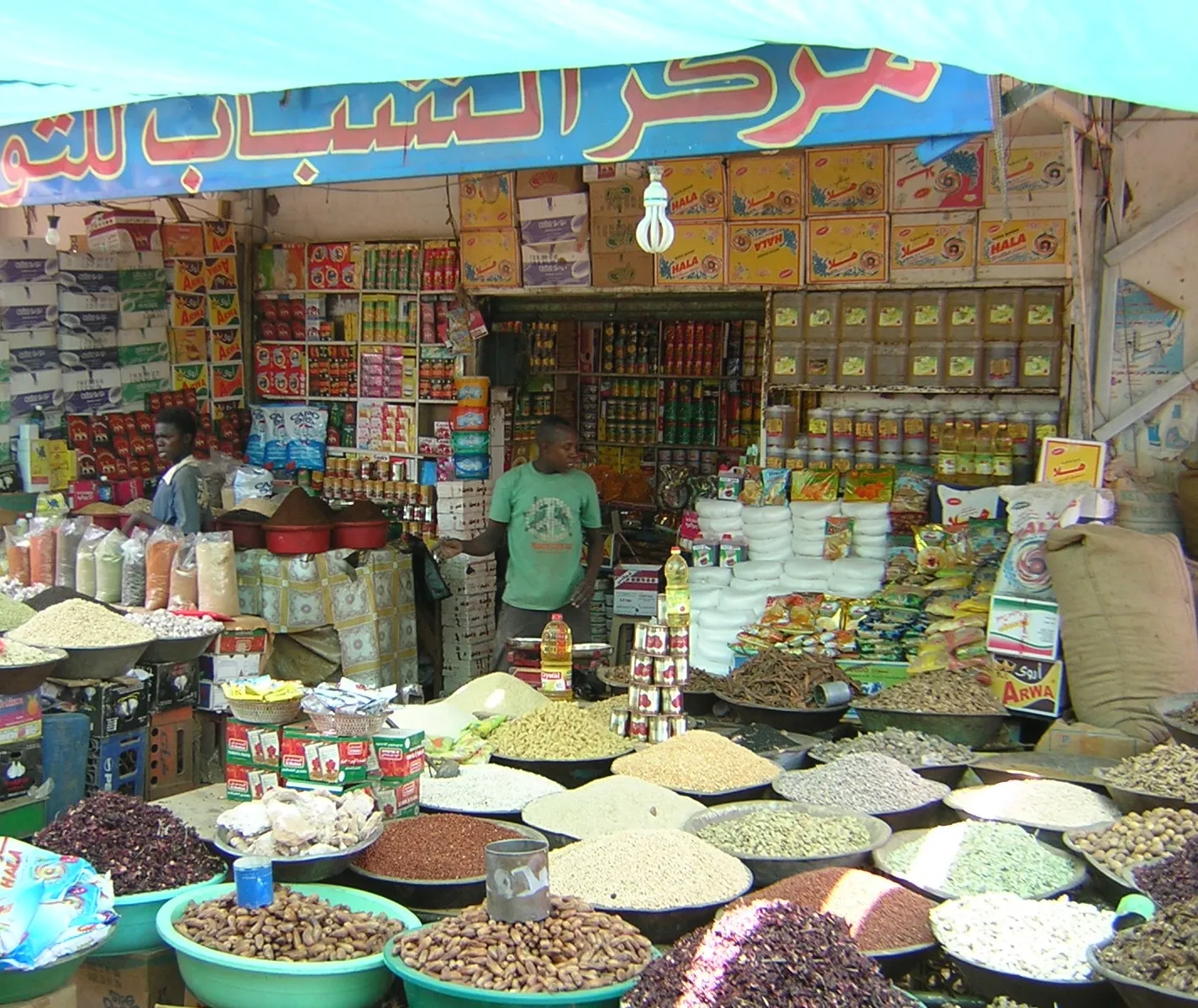
Kordofan was the most heavily impacted region, accounting for more than two-thirds of documented civilian casualties, followed by Darfur, where most of the remaining casualties occurred. Eastern and central Sudan were also affected, particularly White Nile, where at least 41 civilians were killed during the reporting period. The target list is civilian infrastructure in the plain sense: markets, hospitals, schools, fuel supplies, water sources, displacement sites and civilian vehicles were struck, some sites repeatedly. In the first half of 2026 the office documented at least 39 drone strikes on markets, 20 on civilian vehicles, 17 on fuel tankers and depots, and 16 on health facilities — strikes it said raise serious concerns about compliance with the rules of war protecting civilians and the objects indispensable to their survival.
October was the sharpest month in the statement's account, and it connects directly to the grid campaign. In just over two weeks between 20 October and 4 November, 29 drone strikes, attributed to the Rapid Support Forces, hit electricity facilities and fuel stations across 11 states, triggering widespread blackouts and fuel shortages affecting millions far from the front lines, and disrupting health services including dialysis and surgical procedures, access to clean water and food production. The report also noted that drone attacks on markets, looting and restrictions on movement have severely undermined access to food, and that in October the Integrated Food Security Phase Classification alerted that conflict, displacement and drought are driving an increased risk of famine in parts of Darfur and Kordofan.
What does the UN say must happen?
The parties must protect civilians and uphold their international law obligations, and accountability regardless of the perpetrator's affiliation is essential, the report says. "The facts speak for themselves," said High Commissioner Volker Türk. "The findings in our report provide more evidence, if any were needed, of the ceaselessly unbearable civilian suffering of the war in Sudan and the warring parties' continued and brazen disregard for the laws of war." The report states that, amid pervasive impunity, it documents serious violations of international humanitarian law which may amount to war crimes, and that accountability, regardless of the affiliation of the perpetrators, is essential to breaking cycles of violence and preventing further violations. "The parties to the conflict must protect civilians and uphold their international law obligations—the world is watching," Türk said.
Reuters' framing of the same release adds the war's basic shape: Sudan's army has been fighting the Rapid Support Forces since April 2023, both sides have stepped up drone strikes in recent months, and drones are increasingly targeting facilities that ensure human survival, such as water sources and power supplies. That is the mechanism behind the headline figure — a weapon that reaches markets, hospitals and power stations hundreds of kilometres from any front line is why a verified count can attribute nearly three-quarters of a year's civilian deaths to it.
Sources: the UN Human Rights Office (OHCHR) report and accompanying statement of 17 November 2026, read in full in the primary release distributed by APO Group on OHCHR's behalf, and Reuters (17 November 2026, read in full on reuters.com). Every figure in this article is the UN office's own confirmed count, published as a verified floor with the office's own caveat that actual figures are likely higher — not an estimate by either warring party. The 29 electricity-and-fuel strikes of 20 October–4 November are attributed to the Rapid Support Forces by the UN statement itself, and are published with that attribution. No market snapshot box is included: the report contains no market figures, and no opened source tied a market move to its release.