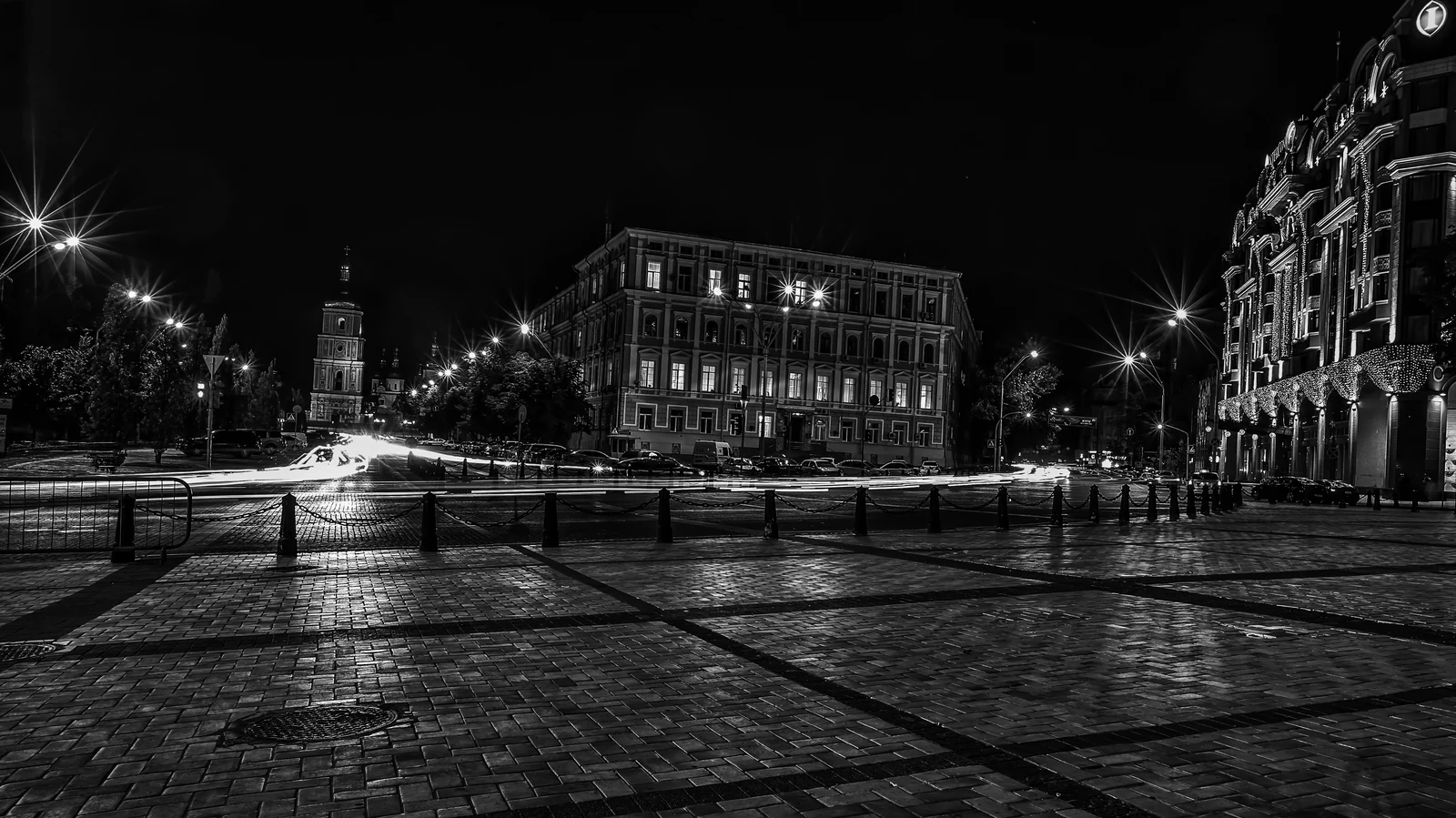
Russia has opened its winter campaign against Ukraine's energy grid. On the night of September 29 to 30, Russian forces launched a massive combined drone and missile strike — nearly 190 strike drones plus an unspecified number of ballistic missiles, according to Ukrainian President Volodymyr Zelensky — aimed primarily at energy infrastructure in Kyiv and Kyiv Oblast. The Institute for the Study of War (ISW) assesses that the strike marks the beginning of Russia's strike campaign to degrade Ukraine's energy security ahead of Winter 2026–2027 and force Ukraine to capitulate.
Ukraine's prime minister, Serhiy Koretskyi, said the strike package was the largest combined attack on the country's energy infrastructure since the end of the last heating season, around early April 2026. Ukraine's economy minister, Oleksandr Kravchenko, warned that the coming winter could be the "hardest and the harshest winter" of the war so far.
What was hit
The scale of the assault was exceptional even by the standards of this war's third winter season. ISW reported that Russian forces launched 188 drones overnight on September 29–30, followed by a further 285 drones during the day on September 30, alongside Zircon or Onyx anti-ship cruise missiles, Iskander-M or S-400 ballistic missiles, and Banderol or Dan-T loitering munitions. Ukraine's air defenses neutralized 87 of 107 drones overnight September 30 to October 1, per the Ukrainian Air Force.
The documented damage, as reported by Ukrainian authorities, was concentrated on the energy system:
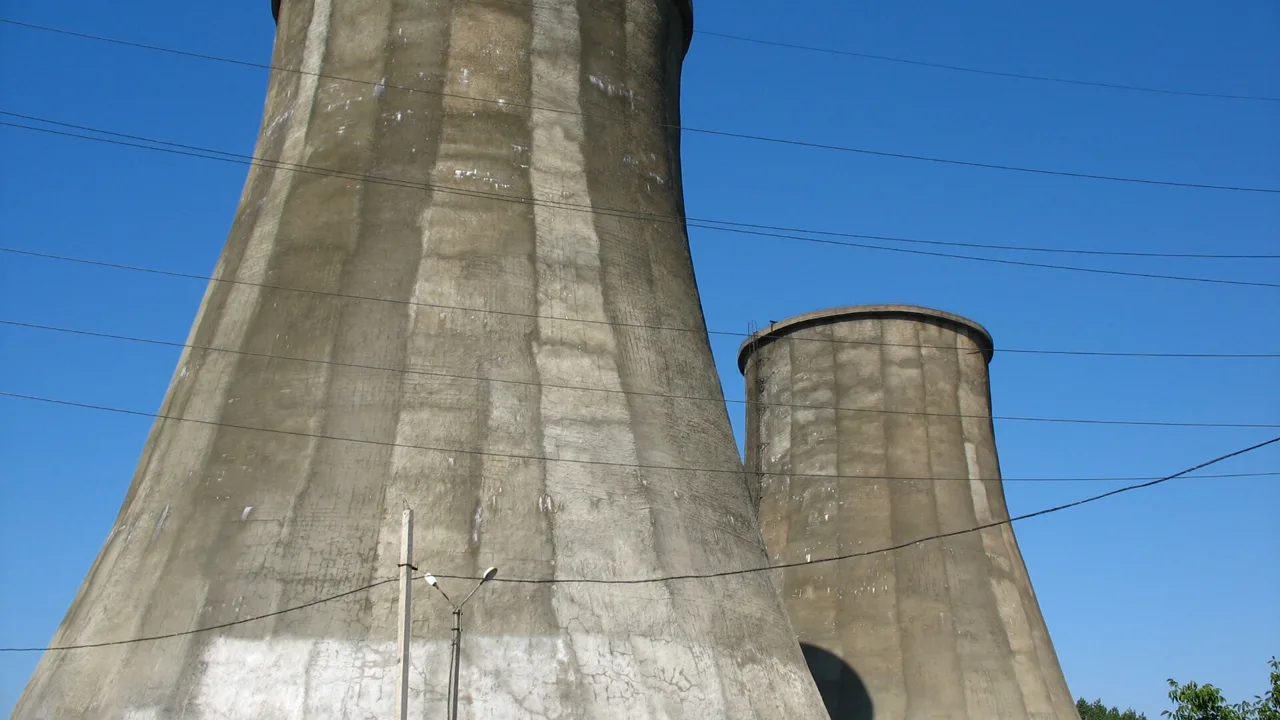
- Ukrainian energy company Centrenergo reported on September 30 that strikes damaged the Trypillya Thermal Power Plant in Kyiv Oblast.
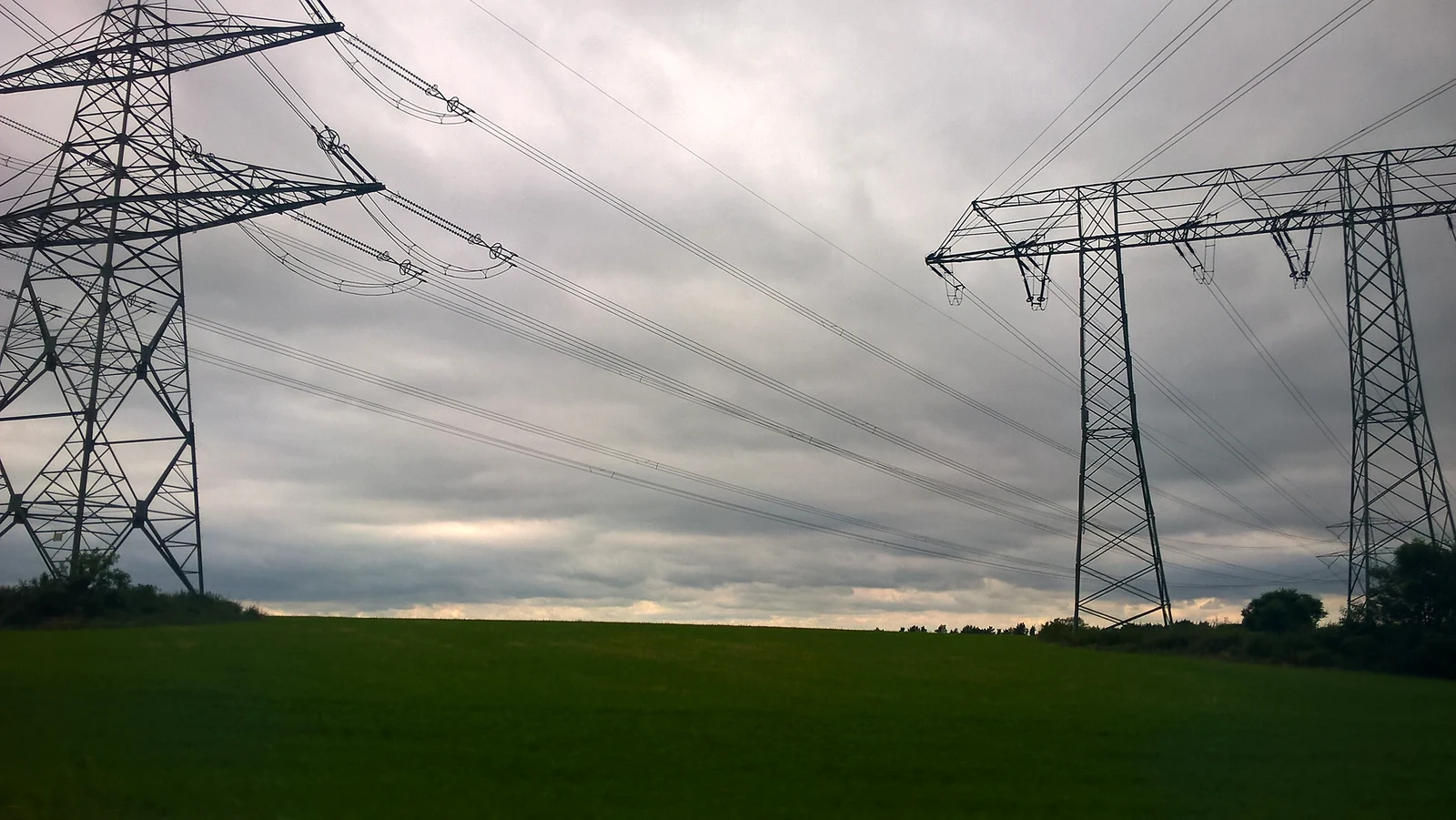
- State grid operator Ukrenergo introduced emergency power outages in Kyiv Oblast following the strikes.
- A follow-up wave on October 1 injured one person in Kyiv and another in the Black Sea port of Odesa, and damaged infrastructure in Odesa, according to Ukraine's emergency service and the head of Odesa's city administration, Serhiy Lysak.
Russia's defense ministry offered its own target list, claiming it struck a communications center in Kyiv — the De Novo data center, which Moscow described as a military internet-traffic hub — the Kyivska power substation near Nalyvaikivka, the Kyiv hydroelectric power plant in Vyshhorod, an energy storage facility in Horenychi, port infrastructure at Izmail on the Danube, and a dry cargo vessel in the northwestern Black Sea allegedly carrying military cargo to Odesa. Reuters reported that it could not independently verify Russia's claims.
One stray weapon crossed a border. A drone — assessed by ISW as likely Russian — violated Moldovan airspace and crashed near Hirbovat in Anenii Noi district, roughly 18 kilometers from the Ukrainian-Moldovan border, on the morning of September 30, according to Moldovan police. Geolocated footage showed the drone striking a radio tower. ISW continues to assess that Russian drone incursions, intentional or accidental, are part of a Kremlin effort to normalize airspace violations.
ISW's assessment: a modified theory of victory
The significance of the September 29–30 strikes, in ISW's assessment, is less the single night's damage than the strategic turn it signals. ISW assesses that Russian President Vladimir Putin has likely adopted a modified theory of victory that relies on a long-range strike campaign to force Ukraine's surrender over Winter 2026–2027 — shifting the emphasis from territorial conquest, where Russia's net gains have been modest, to breaking Ukraine's energy system and, with it, civilian morale.
A Ukrainian monitoring channel cited by ISW reported that Russia will systematically attempt to disconnect Ukraine's nuclear power plants from the unified grid, cut Kyiv off from external power supplies, and destroy energy infrastructure in the industrial east. ISW's own assessment is that Putin is beginning the systematic campaign before Ukraine can adequately harden its grid and develop countermeasures to Russian ballistic missiles and jet-powered drones — and before meaningful peace negotiations, which Ukraine and its US partners are currently working on, can begin.
This is analysis, not established fact, and the Institute states it as its assessment. But it is consistent with observable Russian behavior: the pre-winter timing, the focus on generation and transmission nodes, and the scale of the opening salvo.
The front line: Ukrainian advances as Russia pushes missiles
While the skies belonged to the strike campaign, Ukrainian forces made confirmed gains on the ground. ISW reports that Ukrainian forces recently advanced north of Sumy City, with geolocated footage from September 29 showing Ukrainian positions near Korchakivka.
More significant was the east. In the Lyman direction, Russian forces continued offensive operations on September 29 and 30 but did not advance, as Ukrainian forces continued counterattacks in the area. ISW assesses that Ukrainian forces control both Nove and Shandryholove, northwest of Lyman, with the closest assessed Russian positions roughly 16 kilometers from Shandryholove and 8.5 kilometers from Nove — confirming the success of Ukrainian counterattacks under what Ukraine calls Operation Vivaldi.
Russian sources, notably, are not acknowledging the setback. ISW documents a Kremlin-aligned milblogger claiming Ukrainian sources are publishing false information about positions in Shandryholove, and notes that prominent voices in the Russian information space have grown critical of the defense ministry's refusal to acknowledge where the true frontline is. Separately, Russian claims of seizing Tovstodubove (Sumy Oblast) and Shabelne (Kharkiv Oblast) remain unconfirmed — ISW found no verified Russian advances in the Kharkiv, Lyman, or Slovyansk/Kramatorsk axes.
Pressure beyond the battlefield
The strike campaign is arriving alongside a parallel form of economic coercion. The Kremlin is signaling its intention to hold European companies' assets in Russia hostage to pressure European states into reconsidering sanctions, ISW reports: President Putin signed decrees on September 17 and 28 placing the assets of European firms — including French companies Auchan and Lemana PRO, Swiss Nestlé, and German Metro AG — under indefinite "temporary management" by Russian companies. A senior Kremlin official did not rule out targeting Italian bank UniCredit and Austrian bank Raiffeisen next, according to a single Kremlin-official source ISW cites.
Whether the winter strike campaign achieves its apparent aim — degrading Ukrainian energy security to the point of political capitulation — will be decided over the coming months, in substations and missile trajectories rather than in communiqués. For now, the pattern is clear: Russia is striking earlier, harder, and more systematically than last autumn, and Ukraine's grid is entering its most contested winter of the war.