
Key takeaways
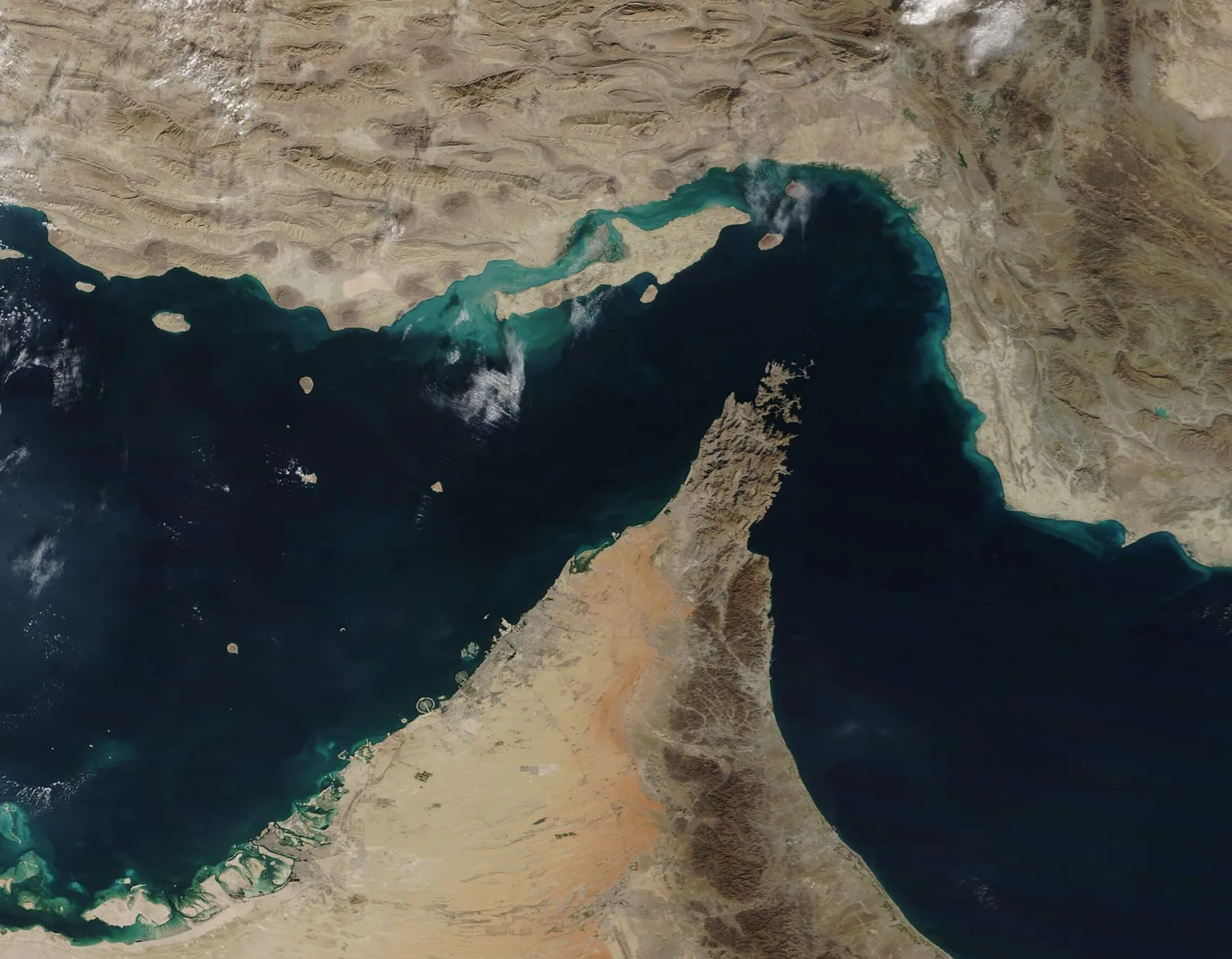
- On September 14, an Iranian anti-ship cruise missile struck a vessel in the Strait of Hormuz carrying U.S. Marines from a battalion landing team, NBC News reported on September 28, citing three U.S. officials.
- Eight Marines — seven enlisted and one officer — were injured, suffering smoke inhalation and symptoms consistent with concussions and possible traumatic brain injuries. None was seriously injured, and all returned to duty shortly after.
- The vessel hit was not a U.S. Navy warship, officials said, declining to identify its type beyond calling it a "maritime vessel." U.S. Central Command declined to comment on the report.
- The Pentagon did not publicly disclose the attack at the time. The injuries were entered into the Defense Casualty Analysis System nearly 10 days later, deepening scrutiny of Pentagon casualty accounting in the seven-month U.S.-Iran war.
- The disclosure came two days after President Donald Trump said he had rejected an Iranian proposal to reopen the Strait of Hormuz, and a day after the Joint Maritime Information Center rated the threat in the strait SEVERE.
Contents
The September 14 strike
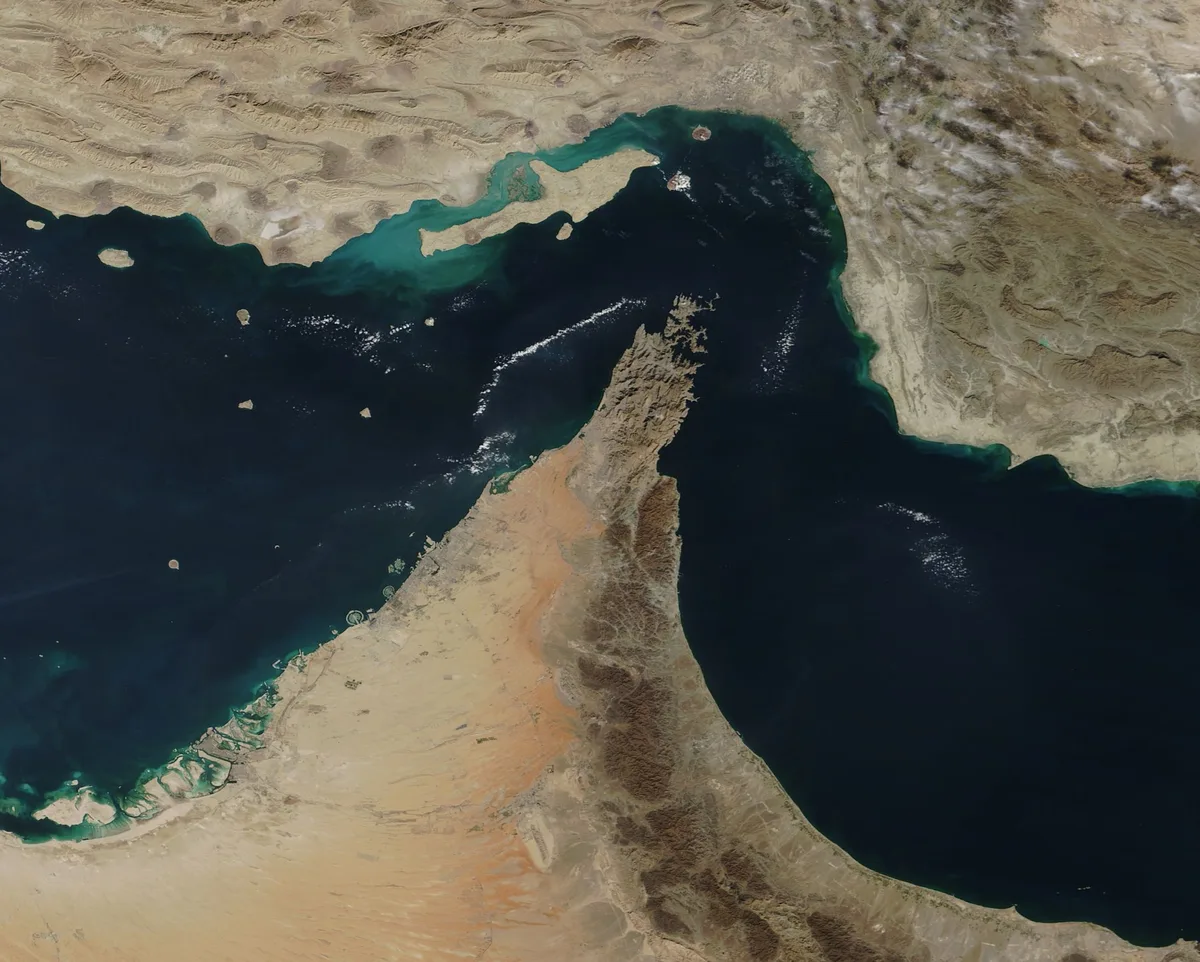
According to NBC News's reporting, the Marines were crossing the Strait of Hormuz as part of a battalion landing team — a Marine infantry formation capable of conducting amphibious and maritime operations — when the Iranian missile struck their vessel.
The injured Marines experienced smoke inhalation and concussion-like symptoms, including headaches, raising the possibility of traumatic brain injuries. NBC's sources said none of the eight was seriously hurt and all returned to duty soon after the attack.
The type, flag, and mission of the vessel were not disclosed. Military.com, reporting NBC's account on September 28, described it as a "non-commissioned commercial vessel" — not a U.S. Navy ship. A Fox News correspondent had earlier reported that a "US-contracted" vessel had been hit by Iranian munitions near the strait; NBC's reporting provides the first confirmed details, including the number and condition of the injured.
A disclosure two weeks late
The Pentagon never announced the September 14 incident. The eight Marines were added to the Defense Casualty Analysis System (DCAS) roughly 10 days after the strike — a delay a U.S. defense official attributed to symptoms that may appear days later and a casualty tracking system that does not update in real time.
The lag fits a wider pattern of gaps between battlefield events and official U.S. casualty figures in this war. NBC reported that as of the previous Wednesday, DCAS listed 861 U.S. service members as injured since the war began — including 29 Navy sailors whose injuries were added the same week as the eight Marines. Separately, The Washington Post reported on September 18, citing anonymous sources, that at least 22 U.S. military fatalities have occurred — more than the Pentagon has publicly acknowledged; the Pentagon disputed that claim, according to Military.com.
Why it matters
The disclosure arrives at a volatile moment for the strait, which normally carries roughly a fifth of the world's daily crude oil and LNG supplies:
- On September 26, President Trump rejected an Iranian proposal to reopen the Strait of Hormuz and end the blockade, according to Military.com. Iranian Foreign Minister Abbas Araghchi responded that Tehran is "fully prepared for hostilities to resume," warning of readiness for a "doomsday war."
- The Joint Maritime Information Center's September 27 advisory kept the threat level in the strait at SEVERE, saying deliberate hostile action remains "highly likely."
- CBS News reported that a commercial vessel was struck in the strait on September 23, killing one crew member — the latest attack on shipping in the waterway.
- Diplomacy continues in parallel: Araghchi told reporters in New York that Iran had shared a 7-day plan with U.S. mediators under which the Strait of Hormuz would be reopened if certain conditions are met; French President Emmanuel Macron said France would send "military means" — soldiers, radars, and air-defense systems — to protect the key Saudi oil terminal at Yanbu.
The war, which began with Israeli-U.S. strikes on Iran on February 28, has entered its seventh month with no ceasefire in sight. This strike — the first publicly confirmed Iranian missile hit injuring U.S. personnel in the strait — underscores how much of the conflict is unfolding below the level of public disclosure.
Sources
- title: "Military.com — 'Eight Marines Injured With Smoke Inhalation and Possible TBIs in Previously Unreported Iranian Attack' (Sep 28, 2026), reporting NBC News's account"
url: "https://www.military.com/eight-marines-injured-with-smoke-inhalation-and-possible-tbi-in-previously-undisclosed-iranian-attack"
- title: "gCaptain — 'NBC News: Eight Marines Injured in Previously Undisclosed Iranian Attack in Hormuz' (Sep 28, 2026)"
url: "https://gcaptain.com/nbc-news-eight-marines-injured-in-previously-undisclosed-iranian-attack-in-hormuz/"
- title: "CBS News live blog — 'Oil prices back up as U.S. and Iran trade threats to expand 7-month war' (Sep 25, 2026)"
url: "https://summamoney.com/investing/the-daily/oil-prices-back-up-as-u-s-and-iran-trade-threats-to-expand-7-month-war/"


