
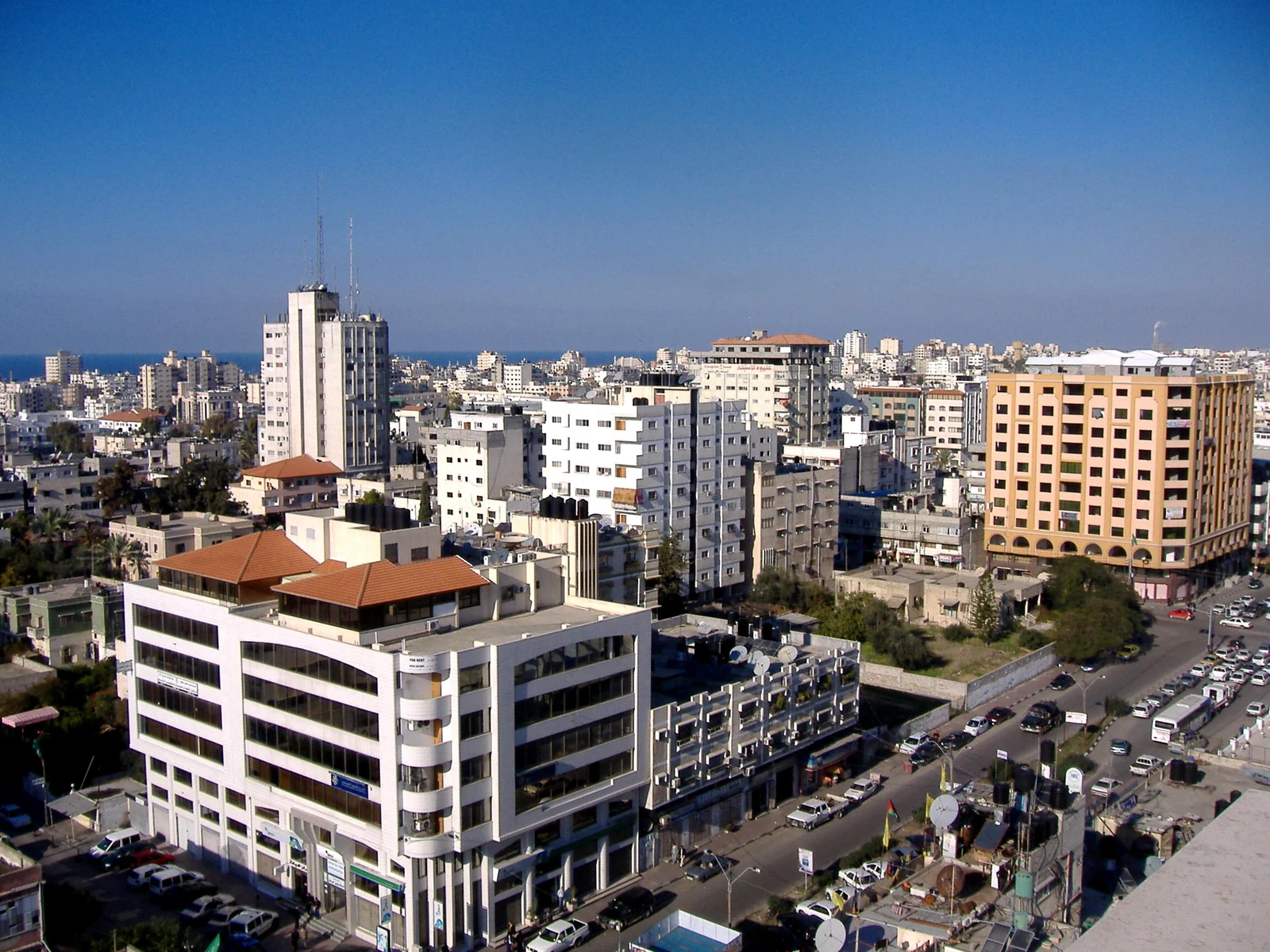
Israeli strikes killed at least five Palestinians in the Gaza Strip on Wednesday, September 30, health officials in the territory said — the latest killings in a ceasefire that remains formally in place while the death toll under it keeps climbing.
Medics said an Israeli airstrike on a vehicle killed at least four people and wounded 14 others in the Tel al-Hawa neighborhood of Gaza City, while an earlier airstrike on an apartment elsewhere in the city killed a woman, Reuters reported. The Israeli military did not immediately comment on either of the reported strikes.
A ceasefire that survives only in name
The October 2025 US-brokered ceasefire is approaching its first anniversary, but little of its promised sequence has materialized. Israel says Hamas has been rearming and launching attacks in violation of the deal, and has stepped up strikes on the group in recent weeks. Hamas has denied trying to carry out attacks or rebuild its arsenal, and accuses Israel of undermining the peace deal.
The structural questions of the agreement — disarming Hamas, withdrawing Israeli troops, and reconstructing the territory — remain unresolved. Last year's ceasefire called for eventual reconstruction, Reuters reported, but little progress has been made as negotiators have failed to agree terms for Hamas to disarm and for Israel to withdraw its forces.
The casualty arithmetic tells its own story. At least 1,400 Palestinians have been killed in Gaza since the ceasefire, according to the territory's health officials, while Israel says four of its soldiers have been killed in the same period. Palestinian authorities say more than 74,000 people have been killed in Israel's assault on Gaza, launched after Hamas-led fighters killed about 1,200 people in southern Israel in October 2023.
What else was reported on September 30
Reporting on the ground from Al Jazeera's Hind Khoudary in Gaza City added detail to the van strike in Tel al-Hawa. Medical sources told Al Jazeera the injuries sustained in the attack were "critical," and Khoudary reported that doctors were struggling to save the wounded because the health system has been, in her words, "decimated by years of Israeli attacks and the blockade." The number of dead in that strike could rise, she reported.
Gaza's Government Media Office said Palestinian journalist Muhammad Abdel Aziz al-Najjar was also killed on Wednesday, and described him as the 263rd journalist killed since October 2023. The official Palestinian news agency Wafa separately reported an Israeli attack on a residential apartment near al-Shifa Hospital in Gaza City that killed at least one woman — the same strike reported by medics to Reuters — and said four Palestinians, including two children, were wounded when an Israeli drone hit a shelter for displaced people in southern Gaza.
Gaza's Health Ministry said in its daily update that the bodies of at least nine people had arrived at hospitals during the previous 24 hours, bringing the number killed since the October ceasefire to at least 1,431, with at least 5,026 wounded over the same period.
What it means
The pattern is now well established: a ceasefire that neither side treats as binding, strikes that continue on a near-daily rhythm, and casualty figures that rise without changing the diplomatic geometry. The negotiators' central disagreements — Hamas's disarmament, Israeli withdrawal — are no closer to resolution than they were when the deal was signed. Until those questions are settled, September 30's strikes are likely to read in retrospect as one entry in a long ledger rather than a turning point.


