
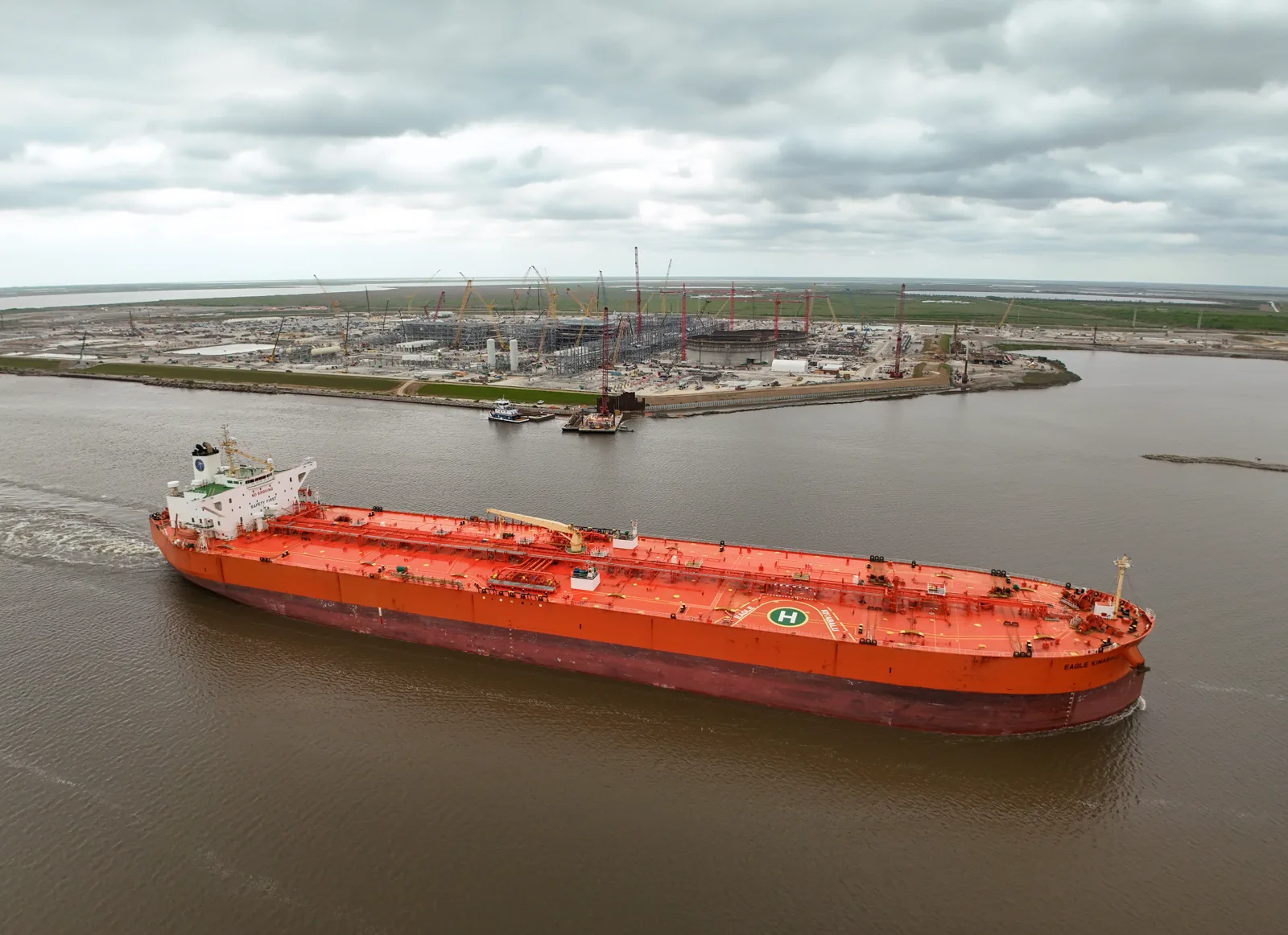
A fully laden crude oil supertanker was struck by an unknown projectile off the United Arab Emirates on Friday, and Iran separately claimed it had hit a gas carrier in the Strait of Hormuz, as attacks on Gulf shipping intensified and Tehran warned it would punish vessels using routes it has not authorized. British navy-affiliated agency UKMTO reported the projectile strike 13 nautical miles west of Al Jazeera in the UAE; the resulting fire was extinguished, with the crew's status and the extent of damage still under investigation.
What happened to the tanker off the UAE?
The vessel struck off the UAE coast was the Panama-flagged crude supertanker GEM NO.2, according to two shipping and security sources cited by Reuters. British maritime risk management group Vanguard said the vessel was hit at 10:00 GMT and issued a distress alert indicating a fire on board, which was subsequently put out. Ship-tracking data showed the tanker fully laden with oil and at anchor off the UAE coast; its listed operator, Gem No.2 Maritime Corp, could not be reached for comment.
There was no claim of responsibility for the attack. Maritime security sources said the strike happened outside the Hormuz area and indicated a widening of the danger zone for ships, echoing an earlier attack this week on the tanker Acers off the coast of Qatar. The US Navy-led Joint Maritime Information Center said in its Thursday update that attacks had become more frequent in recent days and called for added crew vigilance and industry monitoring.
What is Iran claiming about the Strait of Hormuz?
Iran's Islamic Revolutionary Guard Corps said in a statement carried by Iranian state media that its forces had struck a liquefied petroleum gas carrier named NV Sunshine, owned by NatWit, which it accused of attempting to cross the Strait of Hormuz via an "illegal route" south of the waterway. The IRGC claimed Iranian forces had "taken control of the administration of the strait" and warned that action against vessels using unauthorized routes would no longer be limited to Hormuz, saying violators would be pursued and punished across the region.
Those claims have not been independently confirmed. The two incidents identified different vessels, and available reporting did not establish any connection between Iran's claimed strike on the NV Sunshine and the projectile attack on GEM NO.2. Iran has sought to impose its own transit permissions in the strait since the conflict began in late February, and Reuters reported this week, citing sources, that tankers face growing risk and intimidation after Tehran issued new warnings that it would block routes it has not authorized.
Why does this matter for energy markets?
The Friday strikes landed during an already volatile week for oil. Brent settled Thursday at $104.28 after Iran's shipping warnings and a Gulf of Mexico hurricane shut in offshore production, then eased Friday as US President Donald Trump said the United States would not attack Iran before the November 3 midterm elections, before settling slightly higher at $104.72, a 2.4% weekly gain. WTI settled at $91.85. The Strait of Hormuz carried roughly one-fifth of the world's oil and fuel shipments before the war, and analysts cited by Reuters warned that shipping safety through the waterway has not yet improved despite talk of progress in US-Iran negotiations.
---
The War Info Hub financial snapshot reports market moves as cited by financial news outlets; it is not financial advice. Iran's claims about the NV Sunshine strike have not been independently confirmed, and the GEM NO.2 attack remains under investigation with no claim of responsibility.


