
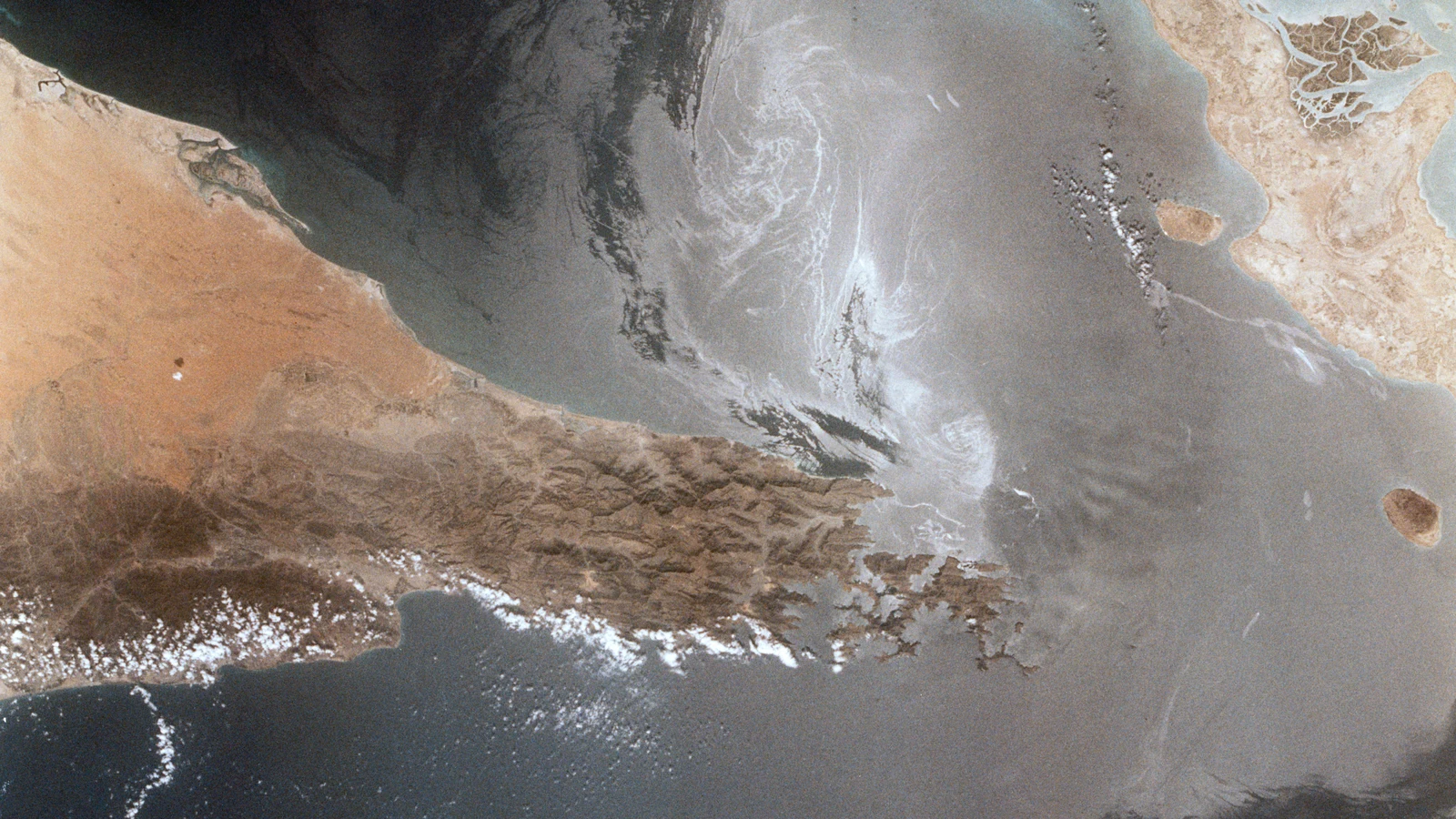
President Donald Trump said on Thursday, October 8, 2026, that the United States will not attack Iran before the midterm congressional elections on November 3 — a statement that followed reports that the Pentagon had ordered U.S. Central Command to finish preparations for a possible resumption of major combat operations against Iran. Hours later, Reuters reported that Iran had warned regional countries it would treat any new unauthorized oil-export routes through the Strait of Hormuz as hostile, as a tanker was struck by multiple projectiles off the coast of Qatar with crew casualties reported.
What did Trump say on Thursday?
In a post on Truth Social, Trump wrote: "We are having productive discussions with the Islamic Republic of Iran," and added: "We will not be attacking Iran at any time prior to the Midterm Elections to be held in the United States on November 3rd." Reuters and CNN both reported the statement on Thursday. Trump said the U.S. naval blockade of Iranian ports "will remain in full force and effect" and that his chief goal was ensuring Iran does not obtain a nuclear weapon.
The statement marked a shift from just days earlier: at a campaign rally Wednesday night in San Antonio, Trump had said a deal with Iran was "not really something that I wanted to do," and he told reporters Wednesday his administration was considering renewed strikes before the election. On Tuesday, speaking at a shipyard in Maryland, he said: "They're a mess. But we still have to finish it off," referring to Iran.
What did the Axios report reveal about U.S. military preparations?
Axios, citing U.S. officials, reported on Wednesday that the Pentagon instructed U.S. Central Command several days ago to conclude preparations for resuming major combat operations in Iran — with no specific date set and no final decision made by Trump. The report said U.S. and Israeli sources believed a resumption could come before the U.S. midterms or possibly before Israel's elections roughly a week earlier, though one Israeli official said the chances before the elections were "not high" and rose significantly afterward.
According to Axios's account, a resumed campaign would likely include massive bombing of Iranian energy, infrastructure and nuclear targets, probably with the United States and Israel operating in tandem. A Pentagon official told Axios: "The Department's job is to develop and present military options to the President." A White House official said Trump "holds all the cards." The report noted that Trump's national security team met at Camp David last Friday, and an Israeli official told Axios part of the discussion concerned a possible resumption of operations. Axios also noted that The Atlantic reported Wednesday that Trump was weighing striking Iran before the midterms.
These claims rest on Axios's reporting and its anonymous U.S. and Israeli officials; no public presidential order to strike has been issued, and Trump's Thursday statement explicitly rules out action before November 3.
What else happened Thursday: sanctions and diplomacy?
The Treasury Department announced additional sanctions on Thursday against 17 vessels it said were part of a "shadow fleet" Iran used to move sanctioned oil and petrochemicals to buyers across south and east Asia, CNN reported. "Treasury is targeting any source of the regime's illicit revenue," the department said in its statement.
On diplomacy, CNN reported that Trump rejected an Iranian proposal to reopen the Strait of Hormuz last month, that Washington has since sent a counterproposal, and that an Iranian news agency reported Foreign Minister Abbas Araghchi saying Tehran would respond "within the next few days." Qatari mediators are awaiting Iran's reply, according to Axios.
What is Iran threatening at the Strait of Hormuz?
Reuters reported Thursday that Iran has warned regional countries that any attempt to open new routes for oil exports would be considered hostile. A senior regional official close to Tehran told Reuters the warning was part of a plan agreed by Iran's political leaders and the Revolutionary Guards, and a senior diplomat in the region briefed by Tehran said separately: "Iran has absolutely no intention of allowing control of the Strait of Hormuz to slip from its hands," adding that enforcement "could involve missile and drone attacks on ships, or sending boats to scare ships away."
The report said the threats came as tanker attacks reached their worst weekly pace of the war: nine attacks in and around the strait over the past week, the most in any week since the conflict began in February, cutting the number of vessels transiting to its lowest level in more than two months. Gulf producers have in recent months shipped oil through channels hugging the Omani side of the strait and transferred it in open waters with U.S. aerial support, Reuters reported.
What happened to the tanker off Qatar?
In the latest incident, projectiles struck a tanker 51 nautical miles north of Qatar's Madinat ash Shamal, the United Kingdom Maritime Trade Operations (UKMTO) agency reported, with casualties reported and authorities investigating. Maritime security sources told Reuters the vessel was the Antigua and Barbuda-flagged chemical tanker Acers, hit by multiple projectiles with minor injuries sustained by its crew. The operator, listed in shipping databases as Antigua and Barbuda-based Valvoria Shipping, could not be reached for comment.
Clearwater Dynamics, a subsidiary of maritime risk intelligence group Pole Star Global, said in a Thursday report that "the Acers strike raises the prospect of a wider combat area affecting approaches to Qatar, Bahrain, Saudi Arabia, Kuwait and Iraq." BIMCO's chief safety and security officer Jakob Larsen told Reuters the spate of attacks had "dampened the appetite of shipowners to sail through the Strait," adding: "The Iranian threat appears to have increased." Danish shipping group Maersk said Thursday it was raising an emergency fuel surcharge on inland transportation in the UK and Ireland because of the Middle East conflict.
---
Attribution notes: the CENTCOM-preparation order is Axios's reporting, attributed to unnamed U.S. officials, with no independent confirmation published; Axios itself notes Trump made no final decision. Trump's Thursday statements are his own public posts, reported by Reuters and CNN. Iran's warning on oil-export routes comes from two unnamed officials speaking to Reuters, with no independent confirmation. The Acers tanker details come from UKMTO and unnamed maritime security sources via Reuters; no party has claimed responsibility. Oil and gold figures are Thursday market snapshots, not live prices and not financial advice.
This is a developing story.


