
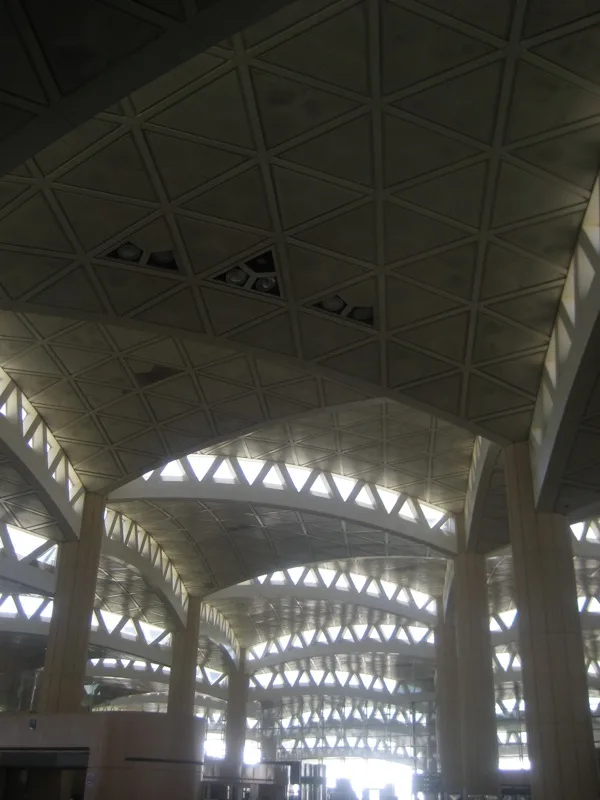
Riyadh's King Khalid International Airport will remain closed until 2100 GMT on Saturday, October 17, under a Notice to Air Missions issued on Monday, Reuters reported, extending the shutdown that began with Saturday's deadly strike on the airport. Delta Air Lines said the same day that it is delaying the launch of its planned nonstop Atlanta–Riyadh service until March 2027, and the US Federal Aviation Administration has advised American airlines to exercise caution when flying to or over Saudi Arabia.
How long is Riyadh airport closed, and why?
The closure now runs a full week from the Saturday attack. Saudi aviation authorities extended the suspension so that safety checks and operational-readiness procedures at the airport can be completed, according to reporting on the authority's statement. An aviation source cited by AFP said airlines had been told that Terminals 3 and 4, along with radar and communications equipment, were damaged in the attacks; that damage account comes from a single aviation source and has not been confirmed by Saudi authorities in the reporting opened for this article.
Flight-tracking data showed aircraft avoiding Riyadh on Monday while flights continued to land at Jeddah, on the kingdom's western coast. Cancellations across Saudi airports reached 46.4% on Monday, according to aviation analytics firm Cirium figures cited by Reuters. The airport has been shut since Saturday's strike, which Saudi authorities say killed at least 14 people in total across the weekend attacks and wounded more than 300; a second strike on Sunday killed one more person and wounded nearly a dozen others.
What are airlines and regulators doing?
Delta's postponed route would have been its first direct passenger service to Saudi Arabia and would have made it the only US carrier flying nonstop to the kingdom; United and American serve Saudi Arabia through codeshare partnerships, Reuters reported. Delta said it remains in contact with government and aviation partners, including Saudia and Riyadh Air, as it monitors the situation. The FAA's caution advisory, issued on Sunday, applies to US airlines operating to or over parts of Saudi Arabia.
The extension follows a Monday barrage in which the Saudi-led coalition reported fresh incoming drones and missiles from Yemen, and an initial Saudi inquiry — described to AP by two regional officials — into how drones followed by cruise and ballistic missiles penetrated the kingdom's air defences on Saturday. Saudi Arabia has not published that inquiry's findings.
Why does the closure matter beyond aviation?
King Khalid International is Saudi Arabia's second-busiest airport and the main gateway to the capital, which is hosting a major energy conference this week. A week-long closure of the capital's airport, alongside attacks on energy facilities and shipping, is the most visible measure so far of how far the Saudi–Houthi exchange has reached into civilian infrastructure — and the open question in Monday's reporting is whether the October 17 date holds if the incoming fire continues.
This is not financial advice.


