
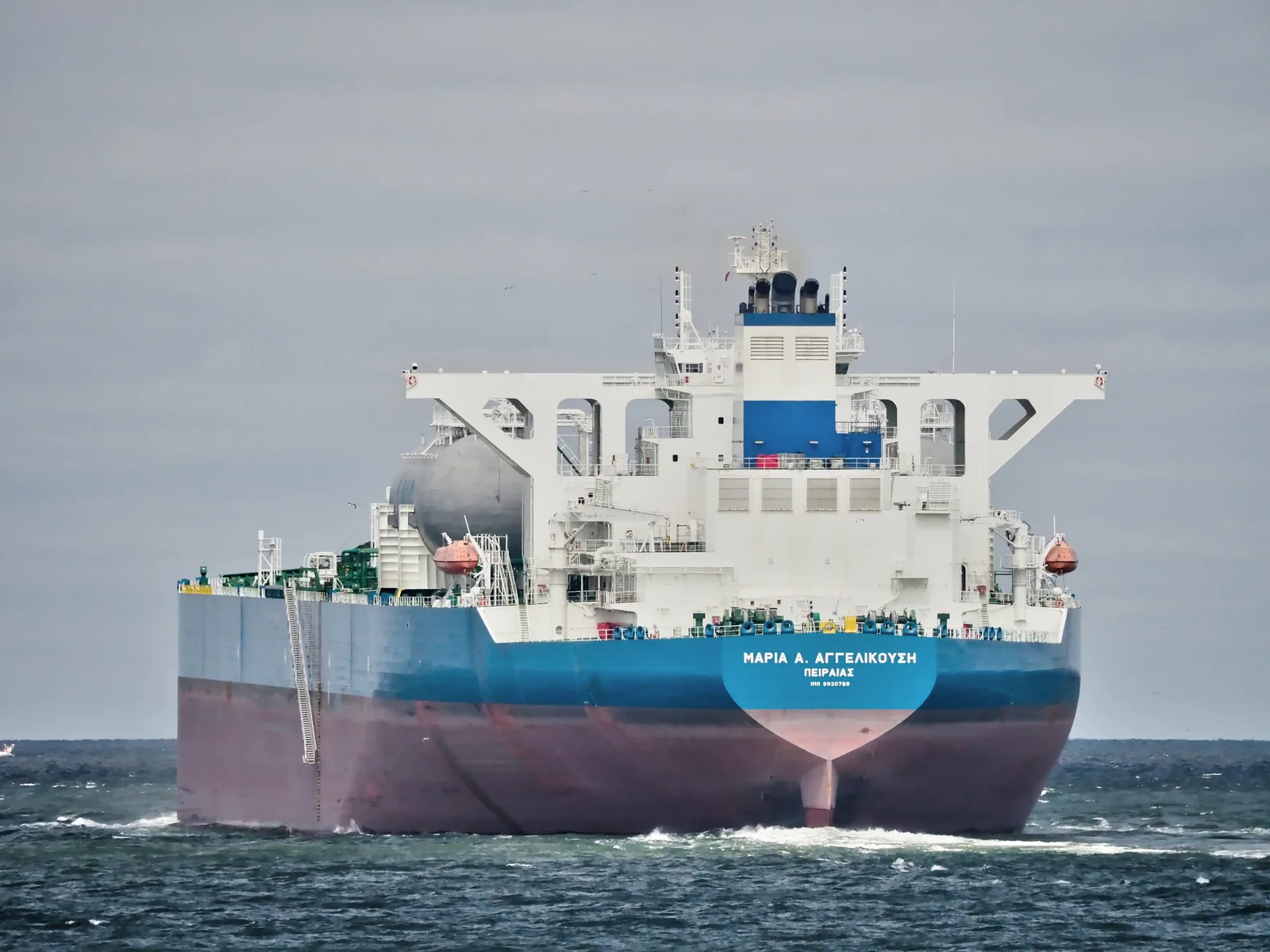
The United Kingdom Maritime Trade Operations (UKMTO) issued three separate warnings on Wednesday, September 30, covering attacks on tankers in the Strait of Hormuz that had occurred the previous day but were only disclosed to the public a day later, according to reporting by maritime outlet gCaptain and regional press.
The warnings — numbered 144-26, 145-26 and 146-26 — were all classified as attacks and attributed to verified sources, gCaptain reported. In the first case, UKMTO said a crude oil tanker was struck on its port side by an "unknown projectile." A second warning said a tanker transiting inbound through the strait had also been hit by an unknown projectile; Cumhuriyet Daily, reporting the same warning cycle, described the second vessel as a liquefied natural gas tanker. The third warning gave even fewer details, saying only that a tanker had been struck. UKMTO did not identify the vessels, their flags, owners, cargoes or destinations, and gave no information on damage, casualties or pollution. The time of each incident was listed as "TBC" — to be confirmed.
A growing backlog of late-reported attacks
The three warnings are the latest in what gCaptain describes as a widening information gap around the shipping war in the strait: incidents are repeatedly reaching the public record hours or days after they happen. A day earlier, UKMTO had issued another warning covering a vessel struck by a suspected projectile on September 28, an impact that caused a fire though the crew was reported safe and the vessel remained underway. That incident had initially been classified only as "suspicious activity."
The latest reports bring the number of recently disclosed time-late incidents to at least four, gCaptain reported. UKMTO operates a voluntary reporting system for merchant shipping in the region: masters and operators are encouraged to report security incidents, but the system depends on information being passed along by vessels, companies or other authorities. For shipowners, crews and insurers trying to judge conditions in the strait, the lag makes an already difficult security picture harder to assess.
Competing claims over who is behind the strikes
Crucially, none of the new UKMTO warnings identifies who fired the projectiles. gCaptain noted that Iran has said its forces struck multiple vessels in recent days, while publicly available incident reports have shown a smaller number — and the new warnings neither identify the shooters nor confirm Iran's broader claims. Separately, Cumhuriyet Daily reported that Iran's military said on Sunday that it had intercepted 19 vessels that attempted to transit the strait outside a navigation route designated by Tehran during a two-day period.
The strikes come amid the ongoing US-Iran confrontation over the waterway. The Strait of Hormuz is a key route for global energy supplies, with roughly a fifth of the world's oil and around a quarter of its liquefied natural gas exports passing through it before the war, according to Azernews. Washington and Tehran signed a memorandum of understanding in June concerning freedom of navigation in the strait, but its implementation stalled over disagreements on security arrangements — and the attacks have continued through September.


