Update — Saturday 21 November, 15:10 UTC: Saudi air defences intercepted and destroyed three ballistic missiles fired by Yemen's Houthi rebels towards Riyadh in the early hours of Saturday, the Saudi-led coalition said — the second Houthi attack on the Saudi capital in a few days, and the reprisal the Houthis had vowed for Friday's strike on Hodeidah port, AFP reported. A Reuters witness in Riyadh saw a projectile streak across the sky shortly before hearing a loud bang, and an AFP journalist reported hearing two explosions shortly after authorities issued an alert — later lifted — saying the city was "under a hostile aerial threat". Al Jazeera reported it was the third day in a row that Saudi Arabia issued and quickly lifted alerts for Riyadh, that the civil defence agency had issued eight public emergency alerts in the 24 hours from 7:30 a.m. Saudi time on Friday, and that hours after the missile interceptions the coalition said it had destroyed another Houthi drone fired towards the kingdom's south, without saying which province was targeted. No casualties or damage from Saturday's salvo were reported in the sources opened. The Houthis said on X that they were striking targets across Saudi Arabia, including in Riyadh, AFP reported. The group also claimed coalition strikes had killed 41 people in Yemen in the previous 24 hours, and Yemen's Saudi-backed armed forces said dozens of airstrikes and drone attacks, as well as hundreds of artillery attacks, had killed or wounded 193 Houthi fighters; AFP said these figures were impossible to verify independently, and this article does not adopt either figure. The United Nations said it was following the escalation "with concern" and warned that continued fighting could threaten vital supply routes for humanitarian aid in Yemen, Al Jazeera reported. The exchange is tracked on this site's Middle East hub and the shipping dimension is set out in our Red Sea shipping crisis explainer. The original report follows, unchanged.
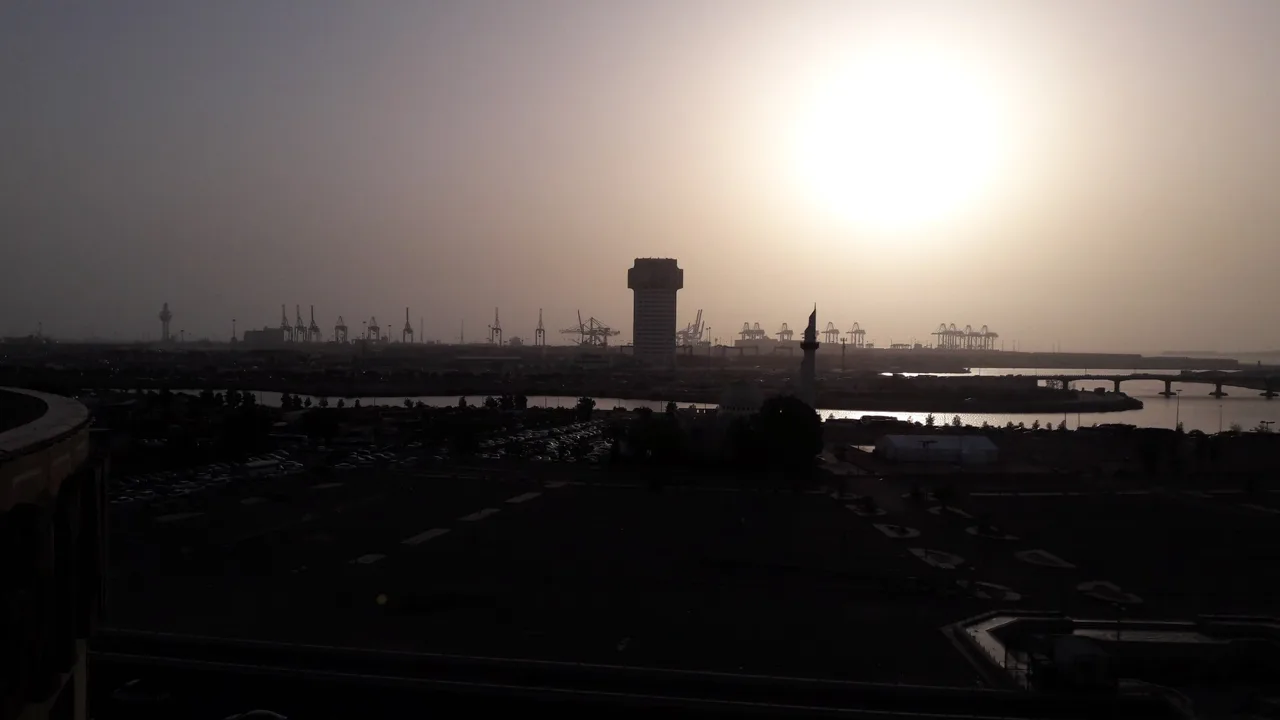
The Saudi-led coalition said it struck Yemen's Red Sea port of Hodeidah on Friday, after warning civilians to evacuate areas of the port, and the Houthis answered by ordering shipping out of Saudi Arabia's Red Sea ports and warning airlines to avoid Saudi airspace, Reuters reported. The Associated Press also reported the coalition's announcement that it targeted Houthi smuggling and weapons-transport operations at Hodeidah, the main port bringing food and other supplies into Houthi-controlled northern Yemen. The exchange is tracked on this site's Middle East hub and the shipping dimension is set out in our Red Sea shipping crisis explainer.
What we know
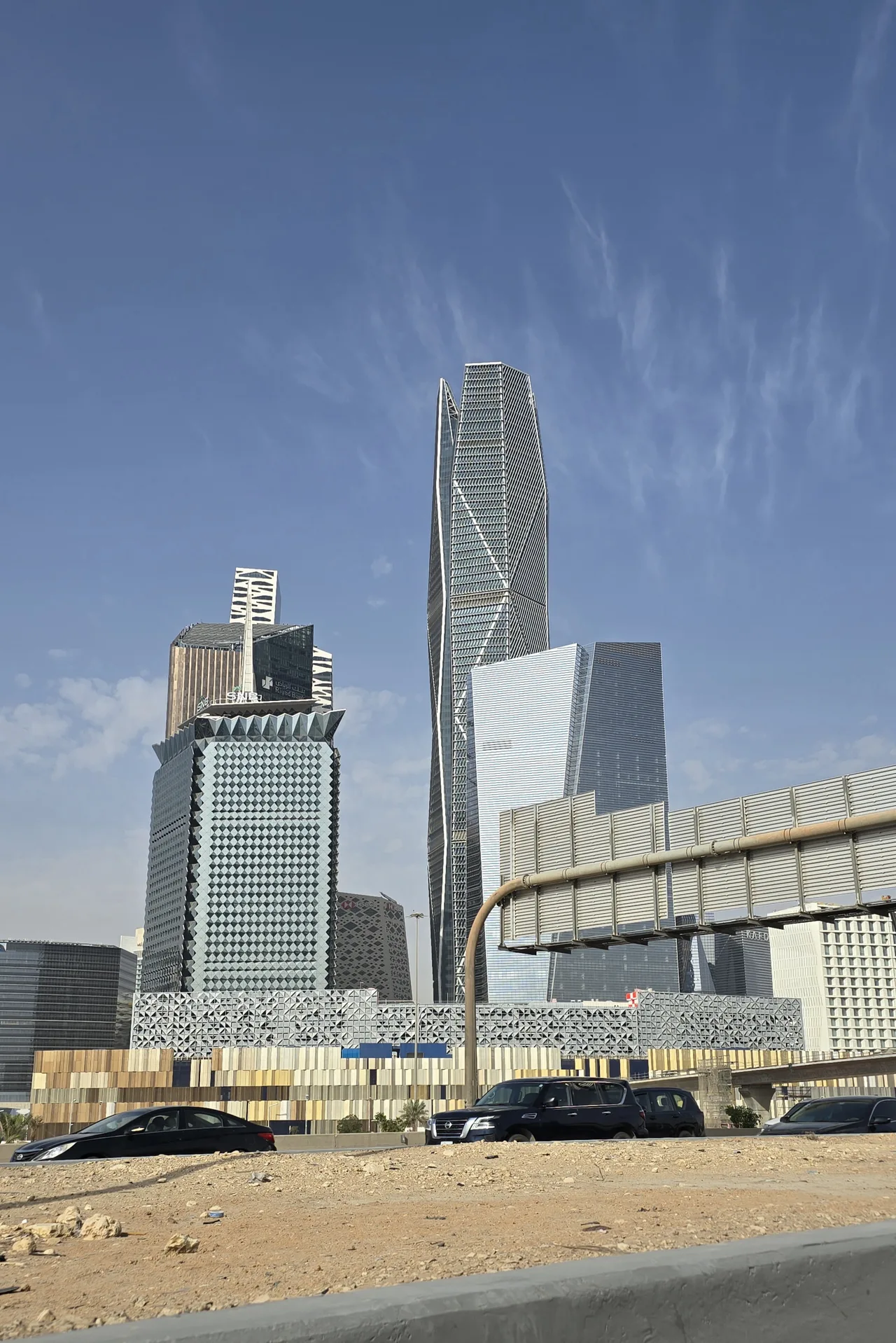
The coalition said it had struck Hodeidah to destroy Houthi capabilities on Friday, Reuters reported, a day after the Houthis struck the tallest skyscraper in Riyadh. The coalition had earlier warned civilians to evacuate the area of the port, and Yemen's Information Minister said the port remains fully operational and the flow of goods will continue, Reuters reported. The coalition also said it carried out an operation in Yemen's capital Sanaa targeting ballistic missile and drone capabilities, and that operations in Saada and Taiz were ongoing, Reuters reported. The Associated Press, in its Friday roundup, likewise reported that the coalition carried out a military operation in Sanaa early on Friday and said the kingdom intercepted five drones and one ballistic missile fired by the Houthis on Friday morning, with Riyadh among the targets.
The Houthi response was a set of warnings issued the same day. "We warn all employees, workers, and those in the vicinity of (Saudi Arabia's Red Sea) ports to evacuate them immediately and stay away. We also urge all shipping companies to immediately evacuate their ships from these ports," Houthi military spokesperson Yahya Saree said in a statement, Reuters reported. Airlines should avoid Saudi airspace "because it will be the scene of our operations in the coming hours", Saree said, making an exception for the airspace near the Muslim holy cities of Mecca and Medina, and the group would target a power station at Shuqaiq in southern Saudi Arabia, Reuters reported.
What is claimed
The coalition said it destroyed operational capabilities at Hodeidah port that were used in smuggling operations and the transport of weapons and ballistic missiles — its stated justification for the strike, carried by both Reuters and the Associated Press. The two sides then gave conflicting accounts of an exchange over southern Saudi Arabia: the coalition said afterwards that it intercepted and destroyed two ballistic missiles launched by the Houthis towards Jazan province, with shrapnel falling in the Shuqaiq area, while the Houthis said they had attacked a power station in al-Shuqaiq and a port in Jazan, Reuters reported. The Associated Press reported that the Houthis did not immediately comment on or claim Friday's attacks in its roundup, which was compiled earlier in the day than Reuters' updated dispatch.
What is unverified
What was actually destroyed at Hodeidah rests on the coalition's account; neither wire independently verified the claim that the facilities hit were used for smuggling or weapons transport, and neither reported casualty figures for the port strike. The Jazan exchange is unreconciled: the coalition's interception account and the Houthis' claim to have hit a power station and a port cannot both be established from the sources opened, and no independent confirmation of damage at Shuqaiq or Jazan was available. No Houthi attack on the Saudi Red Sea ports named in Saree's warning had been confirmed in the sources opened, and the threatened strike on the Shuqaiq power station remains a threat, not a reported event. Since fighting resumed in Yemen in July, in parallel with the wider Iran war, the Houthis have seized Yemen's Red Sea coast and forced the Saudi-backed forces to retreat to defend their temporary capital at Aden, Reuters reported — the advance that forms the backdrop to Friday's port strike.
Sources: Reuters (20 November 2026, updated Hodeidah dispatch by Yasmine Ghania and Muhammad Al Gebaly read in full via the rostered wtbx.com verbatim carrier, published 16:35 UTC and updated 19:49 UTC; Houthi-threat dispatch read in full on reuters.com, crawled 12:33 UTC) and the Associated Press (20 November 2026, Middle East roundup read in full via reflector.com, crawled 16:04 UTC). The Hodeidah strike, the Sanaa operation and the coalition's smuggling justification are carried by both wires — two independent Tier 1 sources under different ownership. The port's continued operation rests on Yemen's information minister via Reuters and is attributed as such. The Jazan/Shuqaiq exchange is published as the two sides' conflicting claims, because each side's account comes from that side. Market figures are from the Wall Street Journal's Market Talk at 0954 ET on Friday, checked at publish time; they are a snapshot, not live prices, and are not financial advice. Update sources (21 November): Reuters (read in full via the rostered kwsn.com verbatim carrier, published 23:36 UTC on 20 November and updated 00:27 UTC on 21 November), AFP via France 24 (read in full via yalibnan.com) and Al Jazeera (read in full via the rostered trinidadtribune.com verbatim carrier), all reporting Saturday's Riyadh interceptions; the interception account is the coalition's, corroborated as an aerial engagement by a Reuters witness's projectile-and-bang account and an AFP journalist's two reported explosions, and the two sides' casualty claims are published only as claims, with AFP's non-verification stated.