
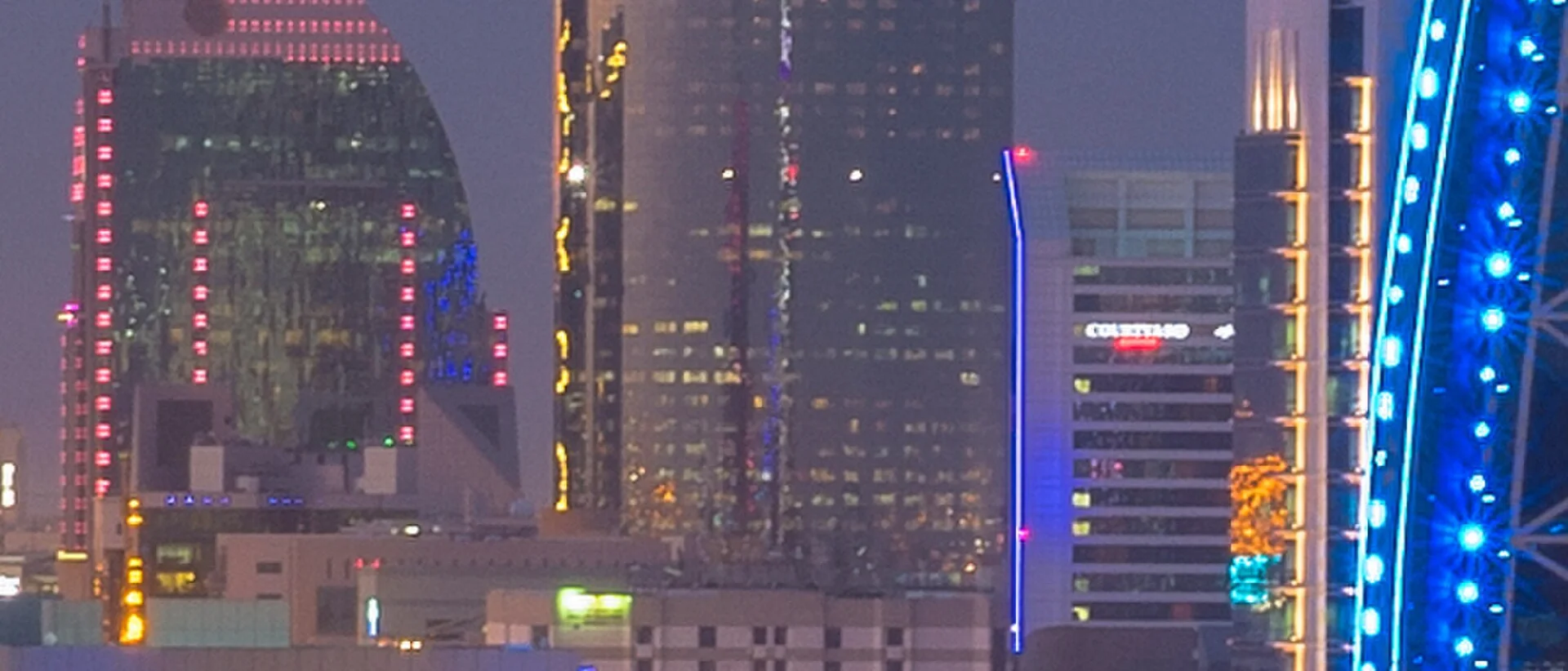
Yemen's Houthi movement claimed on Saturday, October 3, that it struck an Aramco oil facility near the Saudi capital Riyadh with ballistic missiles and drones, saying the attack was retaliation for Saudi strikes on Sanaa and other Yemeni provinces. An AFP journalist independently saw flames and smoke rising from the Aramco refinery south of the capital, with firefighters battling a blaze as ambulances and police vehicles stood nearby. The Saudi-led coalition called the Houthi claim "misleading," and Saudi authorities did not confirm the cause of the fire.
What did the Houthis claim?
Houthi military spokesman Yahya Saree said the group had targeted an oil facility in Riyadh with ballistic missiles and drones, adding that the strikes sparked fires at the site, according to the AFP report. A Reuters report separately carried the Houthi statement that the attack was "in retaliation for Saudi attacks on Yemen's Sanaa and other provinces." A Reuters witness also reported seeing a large plume of smoke and fire in the vicinity of an Aramco facility in Riyadh on Saturday. Aramco did not immediately respond to a request for comment.
What was independently confirmed — and what was not?
The fire itself is independently documented: the AFP journalist saw firefighters attempting to extinguish the blaze at Aramco's Riyadh refinery, located south of the capital, while a Reuters witness confirmed smoke and fire near the site. What is not confirmed is the cause of the fire or whether it resulted from the attack the Houthis described. The Saudi-led coalition disputed the Houthi account outright: coalition spokesman Turki al-Maliki told the pan-Arab newspaper Asharq Al-Awsat that the claims were "misleading," saying they were intended to cover up losses sustained by the group, according to Xinhua's report from Riyadh. Al-Maliki said the Houthis were seeking "imaginary victories" to divert attention from their losses and from growing public anger over the group's practices and its links to external agendas.
Why does this matter?
The exchange marks the first time in the current escalation that flames and smoke have been independently seen at an Aramco facility in the Saudi capital — a significant widening of the conflict's geography after the Houthis previously claimed strikes on Aramco facilities in Yanbu, where Saudi Arabia said it intercepted six ballistic missiles without reporting damage. It comes as both sides report heavy fighting inside Yemen: Houthi-affiliated channel Al-Masirah reported that "Saudi enemy aircraft" hit Sanaa with 26 strikes on Saturday, and AFP reported dozens of combatants killed in recent days around Taiz — the Houthis reported 55 of their fighters killed while government sources told AFP that 26 troops had died.
The broader context is a renewed war that broke out in July after four years of fragile truce, pitting the Iran-backed Houthis — who control most of northwest Yemen, including Sanaa — against Yemen's internationally recognized government. In recent weeks the Houthis seized control of coastal regions along the Bab al-Mandab strait, one of the world's most important petroleum shipping corridors, and announced a naval blockade on Saudi shipping in the Red Sea. Riyadh has reportedly requested US help, a call so far rebuffed by President Donald Trump, according to AFP. The World Food Programme warned on Friday that three-quarters of Yemen's population is unable to meet its basic food needs.
Related: our [October 4 report on Saudi plans for a Bab al-Mandeb offensive against the Houthis](/articles/0600-saudi-arabia-plans-bab-el-mandeb-offensive-houthis).


