
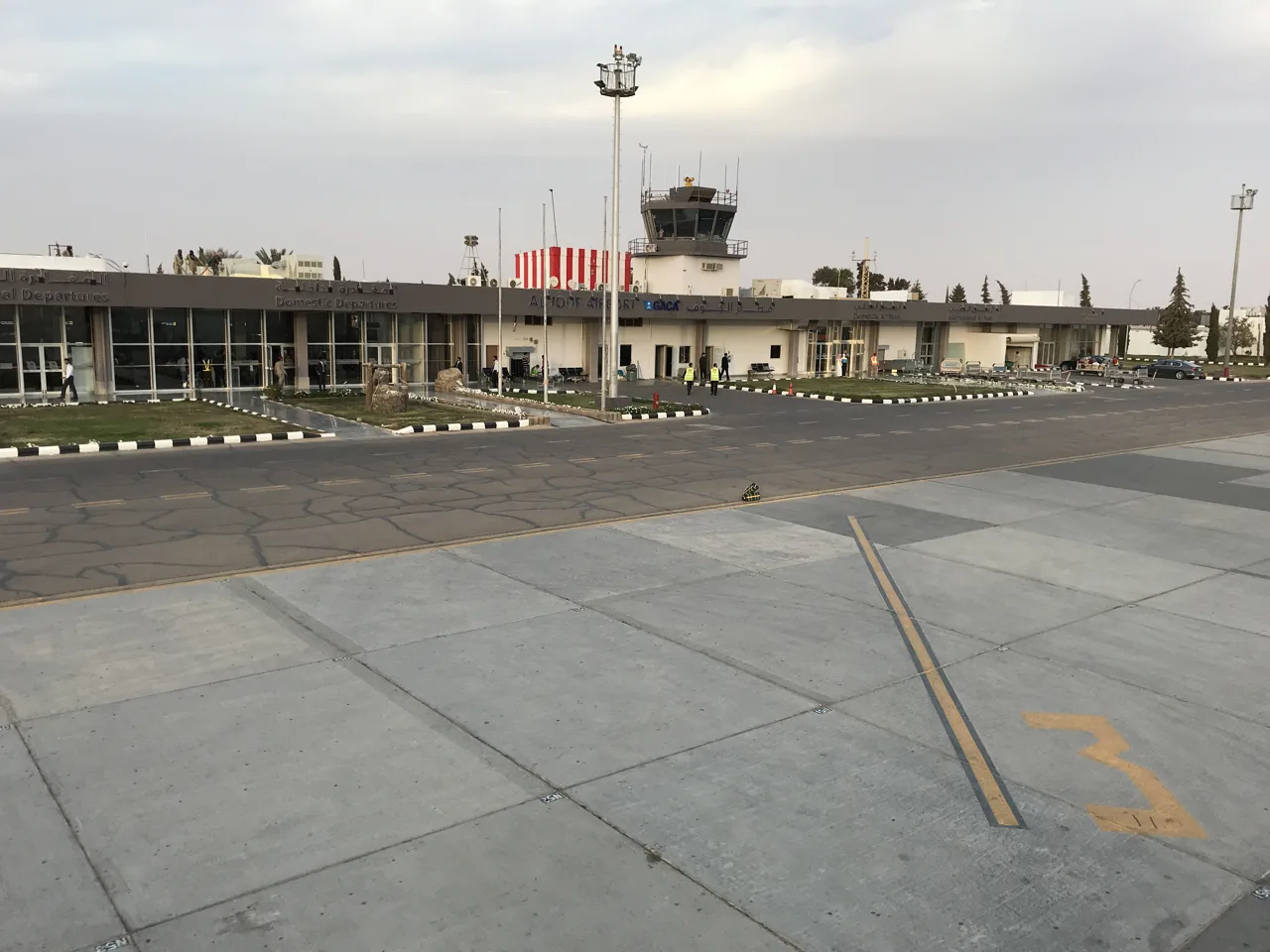
Two airports in southern Saudi Arabia — King Abdullah bin Abdulaziz International Airport in Jazan and Najran International Airport — were targeted in two attacks on Monday evening, October 5, 2026, injuring three people and causing limited damage, Saudi Arabia's General Authority of Civil Aviation said on Tuesday. The kingdom did not name the attacker. The strikes come as Saudi-backed Yemeni government forces press a major offensive to retake territory from the Iran-backed Houthis along the Red Sea coast and near the Bab el-Mandeb Strait.
What happened?
The General Authority of Civil Aviation said it was assessing the damage at both airports and taking measures to ensure the safety of passengers and staff, Reuters reported. The attacks hit the kingdom's southern border region: Jazan sits on the Red Sea coast, Najran inland, both near the Yemeni border. The Journal reported the three wounded and described the strikes as the latest escalation in fighting that threatens global energy markets.
In a military statement late Monday, the Houthis claimed strikes in the area of the airports and again warned "all international airlines using Saudi airspace" to halt their flights — except those over the Muslim holy cities of Mecca and Medina, the Journal reported. The Houthis also claimed strikes on targets including Riyadh's King Khalid International Airport and an Aramco refinery in Rabigh, but Saudi authorities have not confirmed those claims, and the Journal notes that many recent Houthi attack claims have gone unacknowledged or been denied by Riyadh. None of those claims should be read as established fact.
Why is the fighting escalating now?
The airport attacks arrived as Yemen's internationally recognized government launched Operation "Dawn of Yemen" — a major counteroffensive against the Houthis after weeks of rebel advances along the coast. The government says its forces, backed by about 100 Saudi coalition fighter jets, are pushing to retake positions near the Bab el-Mandeb Strait, one of the world's most important shipping chokepoints. Reuters reported the Saudi aviation authority's statement without attributing the airport attacks to a specific party; the Houthis have responded to the offensive with missile and drone attacks on Saudi territory, including airports, oil facilities and military sites, per the same report.
Regional alarm is rising. The European Union Aviation Safety Agency has warned airlines that "recurrent missile and drone attacks, together with the activation of air-defense systems, create an increased risk of misidentification of civil aircraft." European Commission President Ursula von der Leyen said the attacks "keep destabilizing the region, igniting further violence and undermining global energy security." Saudi officials issued new warnings on Tuesday that filming and sharing images of drone and missile attacks or interceptions could bring legal charges, the Journal reported.
What is the broader context?
The Journal described Yemen as "the most active battlefield in the wider conflict with Iran," with the Houthis positioned along the Red Sea and Bab al-Mandeb able to pressure Saudi energy shipments — a route that has become more important as traffic through the Strait of Hormuz remains disrupted by the US-Iran war. The report adds that Saudi Crown Prince Mohammed bin Salman asked President Trump last month for military help against the Houthis, but the president has limited America's involvement to intelligence and other indirect support, according to a US military official.
The war in Yemen began in 2014, when the Houthis swept into the capital, Sanaa; a Saudi-led coalition entered the war on behalf of Yemen's internationally recognized government in 2015. The conflict has killed more than 150,000 people and pushed the country toward famine, per the Journal. After an uneasy ceasefire held for years, the Houthis launched a new offensive in September 2026, claiming new territory and seizing a strategic Red Sea island.
What comes next?
The attacks are likely to intensify Saudi strikes in support of the government offensive — Riyadh had already stepped up airstrikes in recent days, per Reuters. The activation of the Mecca Joint Defence Agreement on Monday — under which Turkey and Pakistan agreed to deploy military forces to Saudi Arabia — adds a further regional dimension; the breaking-watch covers it in a companion article. Whether the Houthis escalate from claimed strikes to confirmed strikes on Saudi oil infrastructure will be the key signal to watch in the coming days.
---
Attribution notes: the Jazan and Najran airport damage and the three wounded are confirmed by the Saudi aviation authority, as reported by Reuters and the Wall Street Journal. Houthi claims of strikes on Riyadh's airport, the Rabigh refinery, and other Saudi sites are unverified claims, not confirmed facts. Government and Houthi battlefield claims about Bab el-Mandeb and the coast are covered in our companion article "Yemen's 'Dawn of Yemen' offensive: Saudi-backed forces claim Bab el-Mandeb gains against the Houthis."


