Russia and Ukraine agreed to a major release of prisoners of war as two days of US-mediated talks in Abu Dhabi concluded on Wednesday, November 11 — the only concrete outcome of the first direct meeting between the delegations in nine months, with no major breakthrough announced on ending the war. US envoy Jared Kushner said the sides had agreed "the biggest humanitarian release of prisoners", with the numbers to be finalised on Thursday. Russia's chief negotiator, Vladimir Medinsky, and Ukraine's delegation head, Rustem Umerov, both confirmed the planned exchange, although Medinsky noted the agreement was "in principle". The round that produced it was covered as it opened in Tuesday's Abu Dhabi talks report.
What exactly was agreed on prisoners?
A large exchange, at a scale and on a timeline described by the participants but not yet fixed in numbers. Kushner, President Donald Trump's son-in-law, said after the talks ended: "One of the positives is we agreed that we're going to have the biggest humanitarian release of prisoners, which we're going to finalize the numbers tomorrow." Alexander Zorin, a deputy chief of the Russian General Staff's information department who attended the talks, told Russian state TV the swap would be one of the biggest such exchanges following the 1,000 soldiers returned home last year, and that it could take place in the next two or three weeks, the Associated Press reported. The "in principle" qualification is Medinsky's own, and it matters: the two sides have swapped prisoners periodically throughout the war, and the numbers remain to be finalised before this agreement becomes an exchange; the only timing offered so far is Zorin's two-to-three-week estimate.

What was not agreed?
Everything that would end the war. There has been no sign of major compromises on the main issues, Reuters reported, and the talks remained deadlocked on land: Ukraine has rejected President Vladimir Putin's demands to surrender the whole of the eastern region of Donbas in return for peace, and US mediators have steered the round towards post-war security guarantees and reconstruction instead. Kushner was explicit about the state of relations: "The reality is there is no trust right now between the sides and that is to be expected after a conflict like this." He said the talks had touched on territorial issues and that these would be the hardest to resolve, while adding that in some areas "we see places where we can find compromises". Ukrainian negotiator David Arakhamia said the talks had been tough, with Russia's delegation arriving with "strict directives", but that they provided "good momentum" towards reaching a solution before the end of the year; he gave no details. Wednesday's closing session lasted just under two hours, after a four-hour session on Tuesday, AP reported.
Europe's place in the process also remains contested. European officials and NATO representatives met US and Ukrainian envoys in Abu Dhabi, but Russia's delegation declined to meet them, Reuters reported, and Umerov said Kyiv's delegation was expected to meet the European governments, the EU and NATO representatives later on Wednesday, AP reported. Medinsky was cool on the prospects of European countries joining the talks, while Kremlin spokesman Dmitry Peskov said European representatives could eventually join, AP reported. President Volodymyr Zelenskyy said on X that "Europe must be represented at every stage of real diplomacy".
What happens next?
The mediators take the round to the two capitals' leaders. Kushner said he and fellow US envoy Steve Witkoff will travel to Moscow on Thursday to meet Putin, at which they will raise broadening the talks to include European partners, and will then fly to Dublin to meet Zelenskyy during a visit to Ireland, both wires reported. Kushner also said European countries, the EU and NATO have to be involved in discussions on post-war security arrangements to build consensus on next steps. Whether the prisoner exchange is finalised on Thursday — with numbers — is the first test of whether this round's one agreement holds.

Did the fighting pause for the talks?
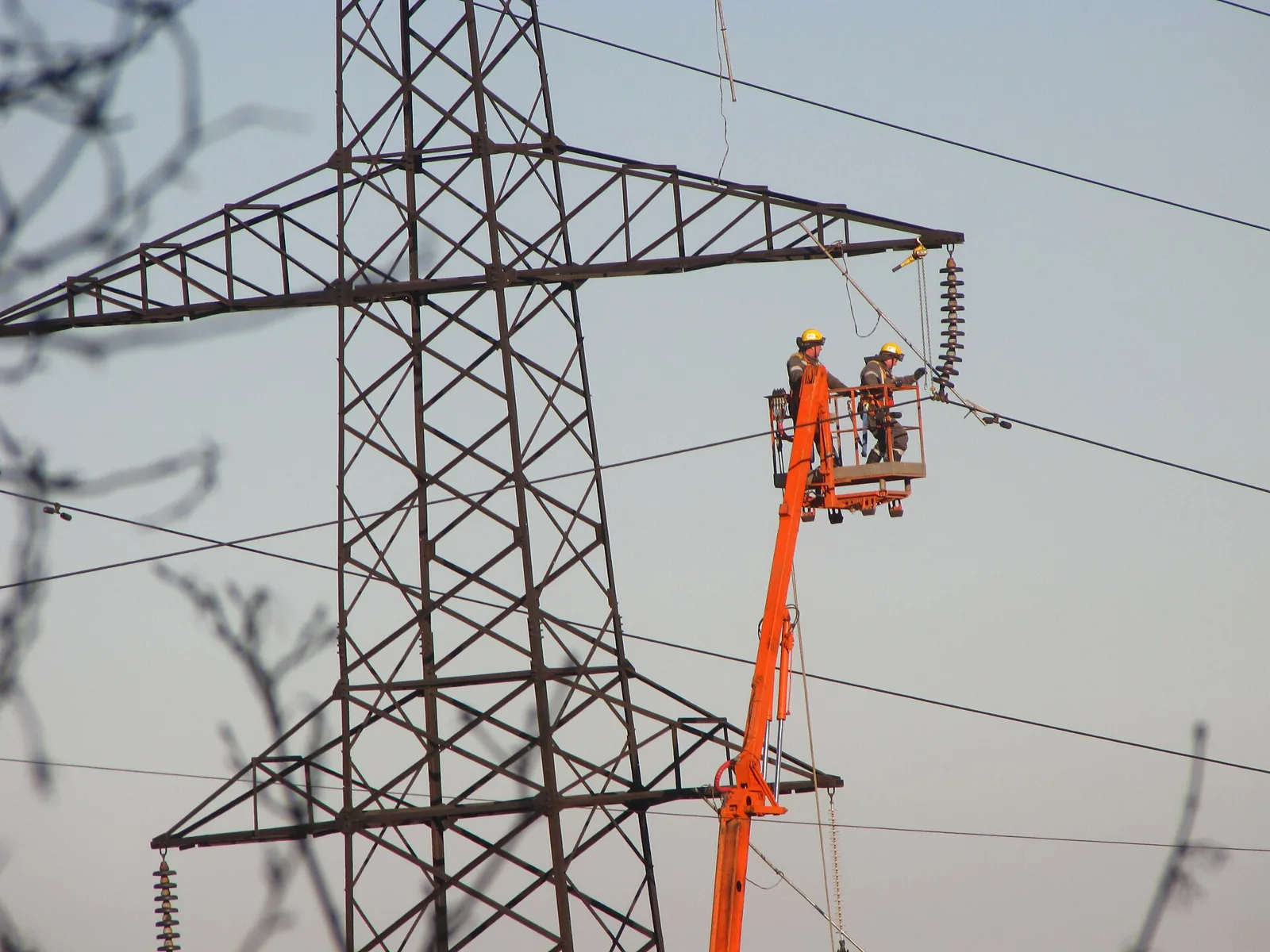
No. Each side said the other had launched attacks overnight while the talks were under way, Reuters reported. Russia struck six large electricity substations in central Ukraine, officials said, and a daytime attack on a busy market in the southern Odesa region killed three people, the regional governor said; AP, citing local authorities, put the Odesa market toll at three dead and 11 injured, and reported overnight strikes on the Zaporizhzhia region and Kharkiv wounding seven civilians. One person was killed in a Ukrainian drone attack in Russia's Belgorod region, local authorities said, Reuters reported. AP also reported that the overnight drones started a fire at the port of Ust-Luga, injuring three workers, according to regional governor Alexander Drozdenko — that overnight exchange, including the Baltic drone alerts it triggered, is covered in this morning's Ust-Luga and Baltic alerts report.
Sources: Associated Press (11 November 2026, read in full via the rostered AP carrier military.com); Reuters (11 November 2026, read in full via the rostered Reuters carrier northlandnewsradio.com, published 10:14 UTC and updated 14:05 UTC). The prisoner exchange is confirmed on the record by both delegations' heads and by the US mediators in both wires; its scale descriptions ("biggest humanitarian release") are Kushner's, its two-to-three-week timeline is Zorin's statement to Russian state TV as reported by AP, and its numbers had not been finalised when this article was published — all published as attributed statements, per this site's two-source rule. No market snapshot box is included: the oil figures opened this run were unchanged from this morning's 0730 GMT Reuters snapshot already published on this site, and no source opened attributed any market move to the talks' conclusion.