A drone attack caused a fire in the port area of Ust-Luga on Russia's Baltic coast, cut off a power station and injured three workers, Leningrad regional governor Aleksandr Drozdenko said on Wednesday, as Lithuania, Latvia and Estonia issued overnight alerts urging residents to shelter from unidentified drones, NATO fighter jets were activated and the alerts were withdrawn hours later. Finland, another Russian neighbour, also imposed temporary airspace and maritime curbs in the eastern Gulf of Finland before withdrawing them. Reuters reported the governor's account of the fire but said it could not immediately confirm it independently, and there were no reports of injuries in the Baltic states.
What was reported at Ust-Luga?
The fire was reported in the port area of Ust-Luga, a major outlet for Russian oil, oil products and grain exports on the Baltic Sea, according to Drozdenko, who posted the account on Telegram on Wednesday citing preliminary data, Reuters reported. He said a power station was also cut off as a result of the attack. The number of drones he said were shot down over the wider Leningrad region — which also holds a major oil refinery and the city of St Petersburg — was given as 146 in the first Reuters account and as 150 in the wire's updated version, which also reported the three injured workers. Both figures are the governor's, published here as his account: Reuters said it could not immediately independently confirm the report, and no figure for damage to the port, or for any interruption to loadings, has been established.
Who launched the drones has not been established in the reporting opened for this article. Reuters' wrap of the Baltic alerts described the attackers as Ukrainian drones, while its Ust-Luga wire reported the fire as a drone attack described by the regional governor without establishing where the drones were launched from, and Al Jazeera said it was unclear where the drones came from. The overnight attack follows Monday's strike on the Kirishi refinery, Russia's second-largest, also in the Leningrad region, which Reuters reported was carried out by a Ukrainian drone and in which local authorities said a woman was killed — the incident covered in Monday's Kirishi refinery report.

What happened in the Baltic states overnight?
The Baltic alerts were issued overnight and withdrawn on Wednesday morning, after unidentified drones were reported entering from Russia or Belarus, Reuters reported. Lithuania's prime minister, Mindaugas Sinkevicius, said four drones had been detected across the region on what he called "a difficult night", that an attempt was made to shoot down a drone over northern Lithuania, and that debris from a NATO missile was later found on the ground; it was not immediately clear whether the drone was hit.
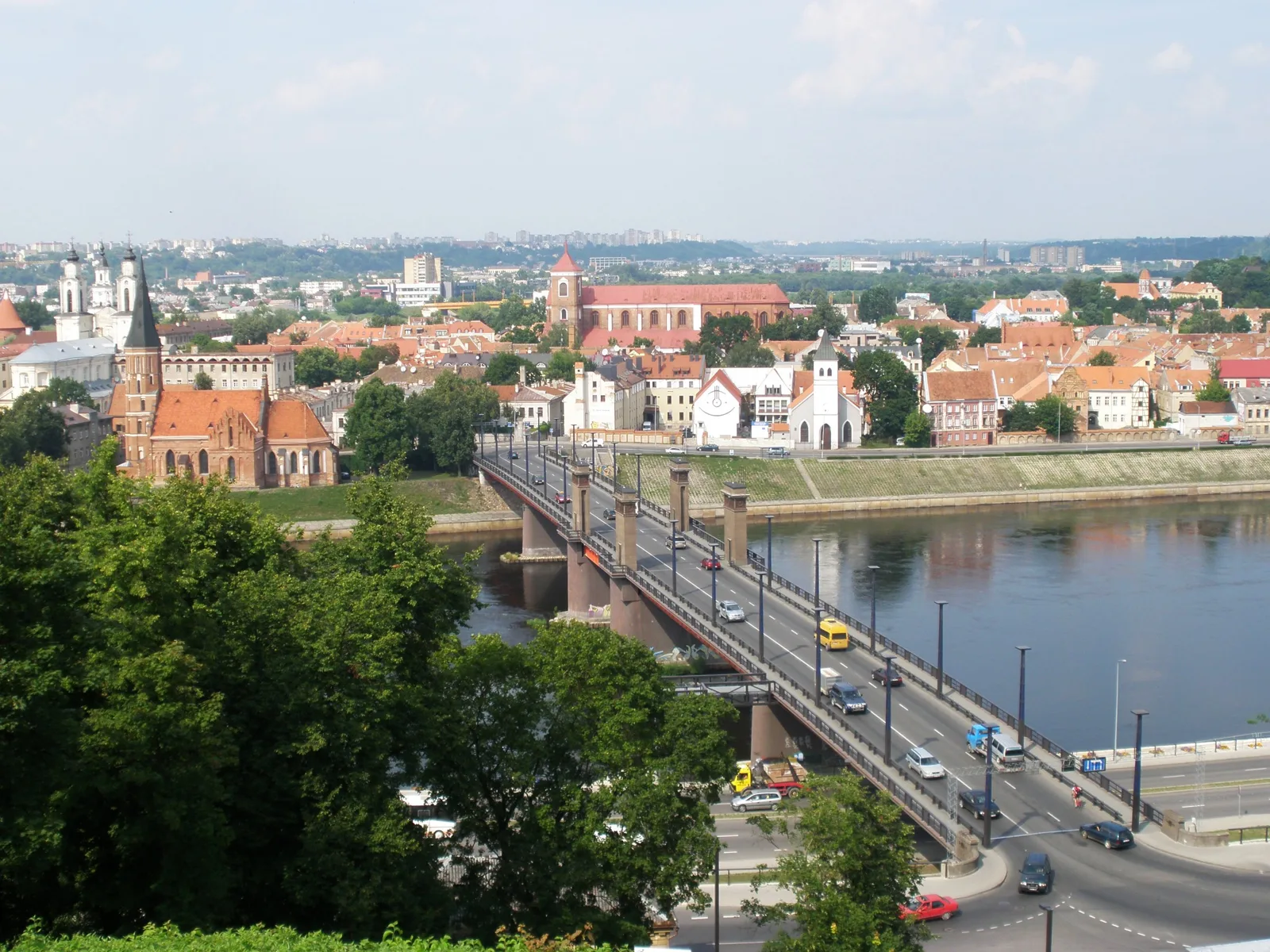
Lithuania's National Crisis Management Centre gave a fuller track for the night's other traffic, in reporting by the public broadcaster LRT. A first yellow alert covering Vilnius and Utena counties ran from about 11 p.m. to about 12:30 a.m., while three drones were tracked in Belarus without entering Lithuania, the centre's head, Vilmantas Vitkauskas, said; one flew into Latvia and later continued north towards Russia. A second alert, issued in Alytus County and later upgraded to red across much of central and northern Lithuania, followed a drone believed to have entered from Belarus near Druskininkai, possibly flown briefly into Poland, then travelled north through Marijampole, Kaunas County and Panevezys before leaving Lithuanian airspace near Pasvalys. Fighter jets detected that object but did not shoot it down, Vitkauskas said. Vilnius and Kaunas airports were closed at points during the night, and three flights at Vilnius were affected, involving more than 400 passengers. After 3 a.m., Latvia's National Armed Forces reported an airspace threat warning in the Cesis, Smiltene and Gulbene municipalities, saying drone interceptors, air defence units and NATO air policing jets had been activated; similar warnings were issued in parts of Estonia. One Lithuanian warning covered Kaunas, the country's second-largest city, home to about 300,000 people, Reuters reported. Finland's defence forces said their temporary curbs in the eastern Gulf of Finland were "a precautionary measure to ensure the authorities' ability to operate and the safety of bystanders".
What else was reported overnight?
Drone debris killed two people in Russia's Smolensk region, which borders Belarus, Russian newswires reported, quoting the local governor — a figure carried by both Reuters' Baltic wrap and Al Jazeera, resting on the governor's account. In Ukraine, an overnight Russian air strike knocked out power in parts of the industrial city of Kryvyi Rih and injured one person in Kharkiv and six others in Zaporizhzhia, officials and emergency services said, Reuters reported. Russia's defence ministry said its forces struck a cargo vessel in the Black Sea southwest of Odesa that it said was carrying weapons and military equipment for Ukraine's armed forces, and that Russian drones hit three electricity substations in the Kryvyi Rih and Odesa regions overnight, Al Jazeera reported; the ministry's account has not been independently confirmed in the reporting opened here.

Why does the Baltic spillover matter?
Wednesday's alerts are the latest in a pattern Reuters has tracked through this year: Ukrainian military drones straying into the airspace of Finland, Estonia, Latvia and Lithuania have fuelled concern that the war is spilling into NATO countries bordering Russia and its ally Belarus. Reuters reported that some drones attacking Russian oil shipping ports on the Baltic have missed their targets, prompting security warnings in neighbouring countries and even a government collapse this year in Latvia; Moscow has accused Kyiv of using NATO airspace as cover for attacks, Kyiv says Russian signal jamming has sent some of its drones off course, and the NATO nations blame Russia, saying it ignited the war. The overnight exchange also landed on the second and final day of the US-mediated talks between Russian and Ukrainian officials in Abu Dhabi, where President Volodymyr Zelenskyy described the first day as "constructive and quite substantive" — the round covered in Tuesday's Abu Dhabi talks report.
Oil prices rose modestly on Wednesday, but not on the Ust-Luga report in any account opened here: Brent crude was up 0.6% at $92.01 a barrel by 0730 GMT, a move Reuters framed around Strait of Hormuz shipping attacks offsetting hopes of de-escalation in the Iran war. The same Reuters wire noted the Ust-Luga fire and cited industry sources that renewed Ukrainian drone attacks have reduced Russia's oil refining capacity by about 30% since late October. No source opened for this article attributed any part of Wednesday's price move to Ust-Luga, and whether loadings at the port were interrupted is not established.
Sources: Reuters (11 November 2026, the Ust-Luga wire read in full on reuters.com and in its updated form via TBS News, and the Baltic alerts wrap read in full via DevDiscourse syndication and Bytes Europe); Al Jazeera (11 November 2026, read in full via the verbatim carrier 234Radio); LRT reporting via Daily Baltic (11 November 2026, read in full); Reuters market snapshot (11 November 2026, read in full on reuters.com and via the HI-99 wire carrier). Contested points — the governor's account of the Ust-Luga fire, the injury figure and the drone counts, which Reuters said it could not immediately confirm independently; the origin of the drones, which the opened reporting does not establish; the Smolensk deaths, which rest on the regional governor's account via Russian newswires; and Russia's defence ministry claim about the Black Sea cargo vessel — are published with their attributions and verification limits stated in the text, per this site's two-source rule.