
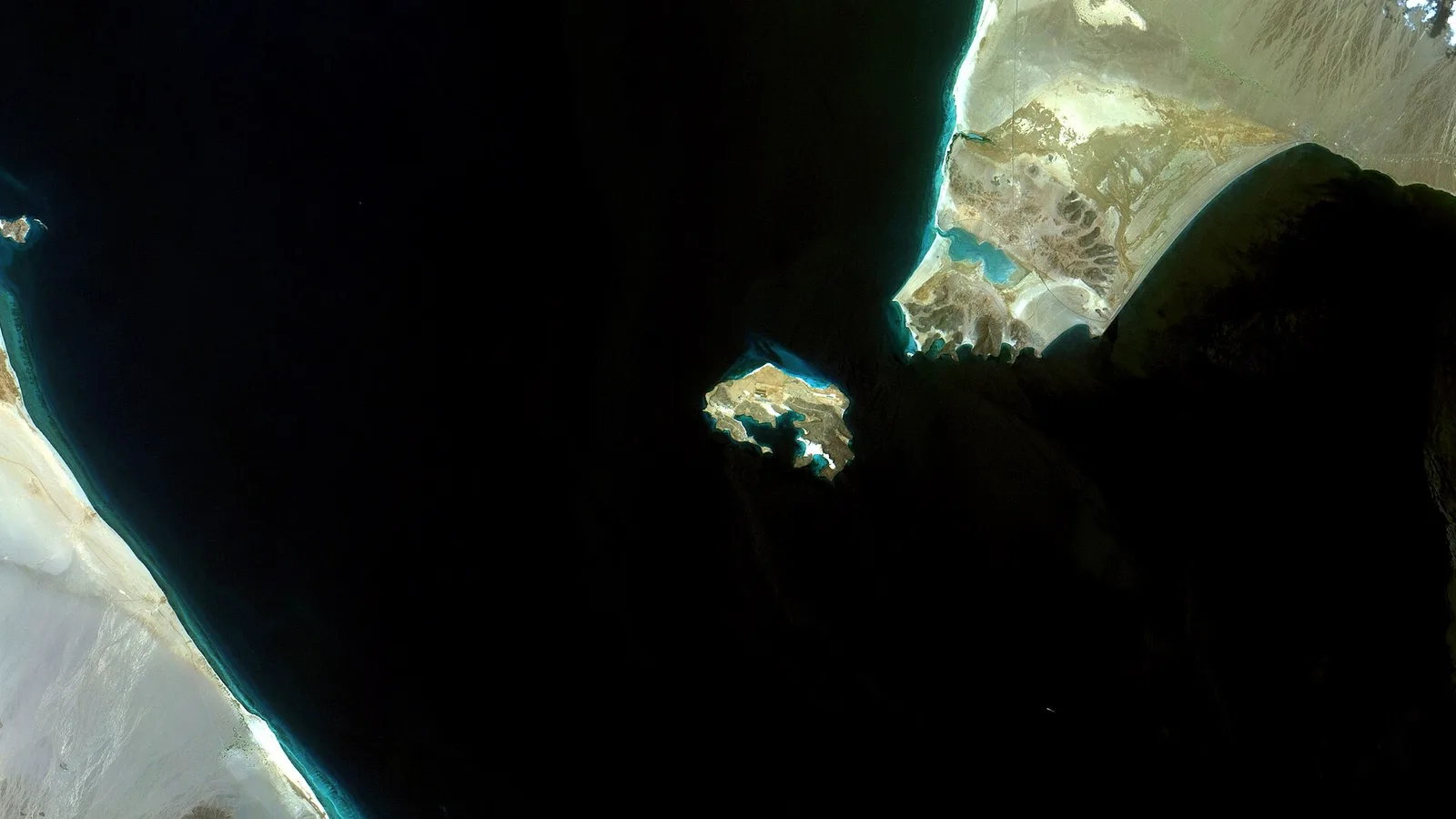
Two missiles targeted the international airport of Yemen's southern port city of Aden early on Wednesday, October 7, 2026, with no casualties reported, the media office of Aden's security department said. The attack is the latest in a rapid escalation: the Houthis damaged two airports in southern Saudi Arabia a day earlier, while Saudi-backed Yemeni government forces press a counteroffensive to retake the Red Sea coast around the Bab al-Mandeb Strait — one of the world's most important energy chokepoints.
What happened in Aden?
The two missiles targeted Aden's international airport, the main international gateway serving parts of Yemen outside Houthi control, Reuters reported on Wednesday. A security force statement said the missiles "targeted a vital civilian facility and put the lives of passengers, airport workers and flight crews at risk," though no one was wounded, according to the Wall Street Journal.
Earlier on Wednesday, the Saudi-led coalition said it had intercepted and destroyed a Houthi ballistic missile launched toward the southern Saudi city of Khamis Mushait, Saudi state television reported, per Reuters. The coalition said the missile threats had originated from the Houthi-controlled capital Sanaa and the governorates of Saada and Amran.
The Houthis had already claimed strikes on Saudi Arabia's King Khalid International Airport in Riyadh and Abha International Airport, the WSJ reported. There was no immediate Saudi confirmation of an attack on the Riyadh airport. A Houthi missile attack targeting north of Riyadh early Wednesday was intercepted and destroyed, coalition spokesman Maj. Gen. Turki al-Maliki said.
What did the Saudi airport attacks damage?
Saudi Arabia's General Authority of Civil Aviation said King Abdullah bin Abdulaziz International Airport, a dual-use airport in the Red Sea city of Jazan, and Najran International Airport were damaged in Monday's strikes, the WSJ reported. Three people were wounded, the agency said.
In a military statement late Monday claiming strikes in the area of the Saudi airports, the Houthis warned "all international airlines using Saudi airspace" to halt their flights, except those over the Muslim holy cities of Mecca and Medina. The European Union Aviation Safety Agency has warned airlines that "recurrent missile and drone attacks, together with the activation of air-defense systems, create an increased risk of misidentification of civil aircraft."
Saudi officials put out new warnings to the public on Tuesday that filming and sharing images of drone and missile attacks, or interceptions, could bring legal charges, the WSJ reported.

Why is the fighting escalating now?
Yemeni government forces launched a renewed campaign this week to roll back recent Houthi gains along the Red Sea coast, CNN reported. Yemeni military spokesperson Majid al-Nuzaili said on X that government forces "have succeeded in controlling Bab al-Mandeb" and regained control from the Houthis of a key road linking Dhubab district and the port town of Mocha. CNN noted it had not independently verified the claim, and the Houthi-run Saba News Agency denied the alleged gains, calling them "fictitious."
The government forces, which are backed by Saudi Arabia, have also "begun implementing a strategic offensive operation" against the Houthi-controlled capital, Sanaa, al-Nuzaili said. A Saudi-led coalition pledged full support on Sunday to the internationally recognized government, and coalition spokesman al-Maliki said the coalition had destroyed 324 high-value targets at the launch of "Operation Dawn of Yemen," with 100 fighter jets participating.
The Houthi-run Health Ministry said Tuesday that at least 83 civilians have been killed and 146 wounded since the offensive began, with 60% of those killed and wounded children, according to ministry spokesperson Anas al-Asbahi. CNN said it could not independently verify the figures. These casualty figures come from the Houthi-run Health Ministry; no independent verification was available.
Why does the Bab al-Mandeb Strait matter?
The fighting centers on a strait that handles a significant share of global trade. The Houthis' presence along the coast and the Bab al-Mandeb Strait threatens to further squeeze regional oil supplies, the WSJ reported. The Red Sea has become an increasingly important alternative export route since the Iran war severely disrupted traffic through the Strait of Hormuz, according to CNN.
Rashad al-Alimi, head of Yemen's presidential council, said in a televised speech Sunday that the military operations aimed to reclaim territory held by Houthis and restore state authority across the country. The renewed fighting has already forced tens of thousands of people from their homes, CNN reported.
Attribution notes: claims about who holds territory around Bab al-Mandeb and Mocha come from the Yemeni government's military spokesperson and are denied by Houthi media — neither side's claims have been independently verified. Casualty figures are from the Houthi-run Health Ministry via CNN and are unverified. Airport damage reports are from Saudi Arabia's civil aviation authority and Aden's security department. The WSJ and Reuters pieces were opened and read directly for this article.


