
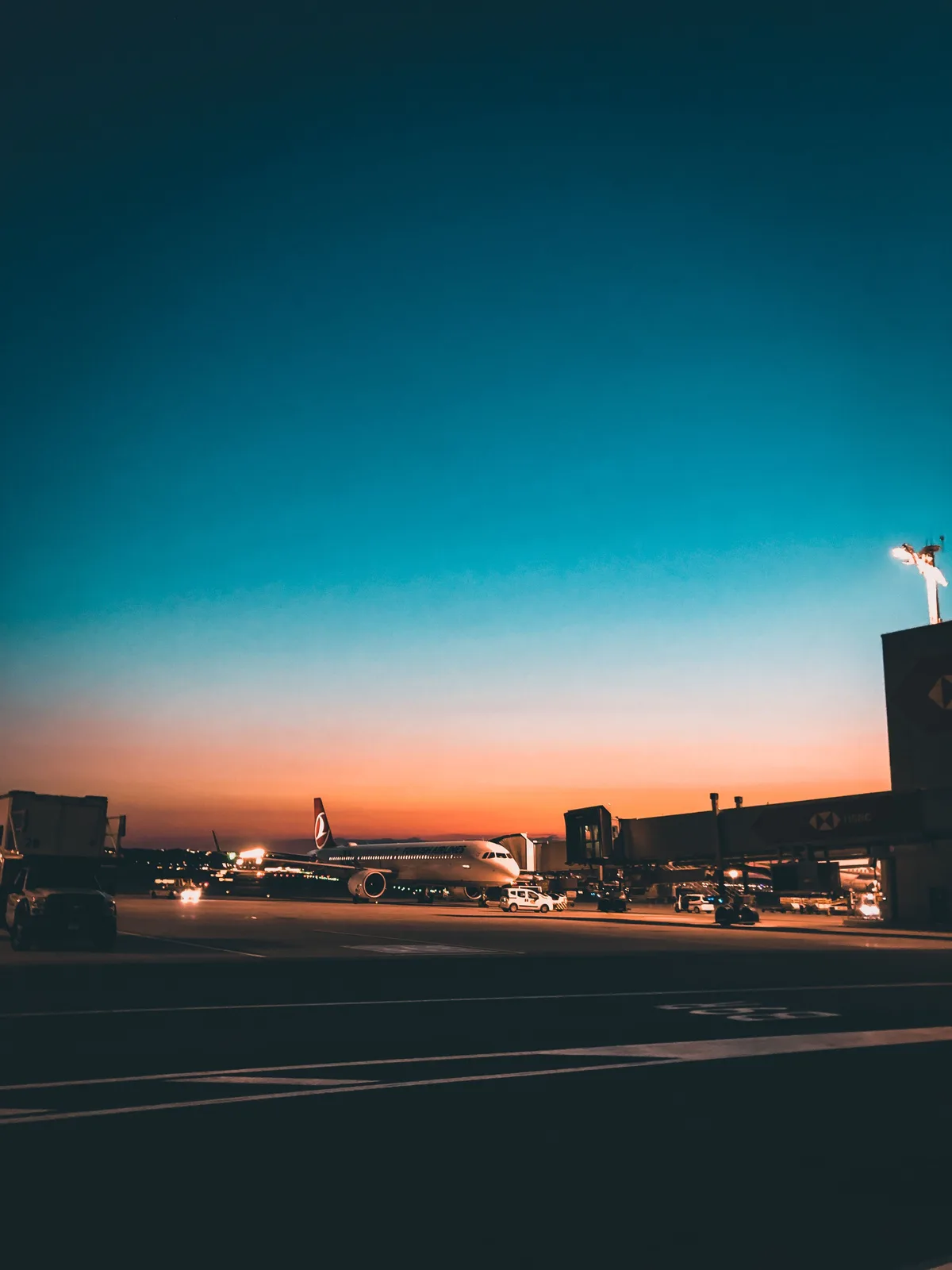
Yemen's Houthis renewed their warning to airlines, airport workers and travellers against using Saudi airports on Sunday, telling them the warning should be taken seriously and saying the kingdom "bore responsibility for failed interceptions," Reuters reported. The warning came a day after a missile strike on a terminal at Riyadh's King Khalid International Airport killed 12 people and wounded 309, in Saudi Arabia's deadliest attack in more than a decade, according to the kingdom's civil aviation authority.
What did the Houthis warn on Sunday?
A Houthi military statement on Sunday warned all airlines and travellers against using Saudi airports and Saudi airspace, "as they are vulnerable to targeting… with the exception of Mecca and Medina airports," CNN reported. The statement said Saudi Arabia "will bear responsibility for any failed attempts to intercept" missiles, and that the group would continue responding to "blockades with blockades, and escalation with escalation." Reuters separately reported the group's renewed warning on Sunday morning.
The Houthis have been issuing airspace warnings for weeks. Earlier threats had already disrupted service: LiveMint reported that flights were diverted or cancelled and passengers were advised to check their status with airlines.
What happened at the airport on Saturday?
The missile struck a terminal building late Saturday afternoon. Saudi Arabia's General Authority of Civil Aviation said Sunday that 12 people were killed — four Saudis, two Bangladeshis, and one each from the United States, Egypt, Jordan, Syria, Palestine and Sudan — and 309 people were wounded. The AP, cited by LiveMint, carried the same toll. CNN reported the terminal filled with smoke and debris as ambulances raced to the scene, with one traveller telling Reuters they saw something fly across the sky before part of the ceiling near a departure gate collapsed.
It was the third missile strike this week on King Khalid International Airport. CNN reported that two previous attacks this week killed four people and heavily damaged a Saudi commercial plane on the tarmac. Saturday's strike was the deadliest attack in Saudi Arabia in more than a decade, and the deadliest in any Gulf Arab country since the start of the Iran war in February, according to LiveMint.
A senior Houthi official, Nasr al-Din Amer, appeared to acknowledge responsibility, writing on X: "We shut down Riyadh international airport," CNN reported. The Saudi-led coalition blamed the Houthis and said a passenger terminal had been targeted.
What is the state of flights and the airport?
King Khalid International Airport suspended operations after the attack while authorities assessed damage and safety. CNN reported more than 600 flights cancelled, and LiveMint, citing the flight-tracking platform Flightradar24, said the closure was extended by 24 hours until 9 p.m. local time Sunday. The US, UK, Spain and Canada are among countries warning their citizens against using the airport, CNN reported.
Amid the disruption, the Saudi energy ministry said the World Petroleum Congress began as scheduled in Riyadh on Sunday, though it was unclear how many delegates were attending, CNN reported.
How has the world responded?
Condemnations continued through Sunday. India's Ministry of External Affairs called Saturday's strike a "dastardly attack," saying the "repeated attacks on civilians and civilian targets must cease immediately" and expressing solidarity with Saudi Arabia, LiveMint reported. Pakistan's Prime Minister Shehbaz Sharif called the strikes "heinous," extended condolences to the victims' families, and reaffirmed Pakistan's "unwavering commitment to the sovereignty of the Kingdom of Saudi Arabia" — also invoking the Mecca Al-Mukarramah Joint Defence Agreement, the collective-defence pact Pakistan signed with Saudi Arabia and Turkiye.
UN Secretary-General António Guterres said "attacks on civilians and civilian infrastructure are a violation of international law," and UN Special Envoy for Yemen Hans Grundberg called the attacks "a grave escalation" threatening regional security, according to CNN.
What has the US said about joining strikes?
President Donald Trump said Saturday he plans to speak with Saudi Crown Prince Mohammed bin Salman, and when asked outside the White House whether Washington would join Saudi strikes on the Houthis, replied: "We may. We're going to look at it," CNN reported. "We just found out about the recent attack, so we'll make a decision. We move very quickly."
CNN noted that Trump rejected two appeals from the crown prince for US strikes against the Houthis last month. Secretary of State Marco Rubio confirmed a US citizen was among those killed and condemned the attacks as showing "a blatant disregard for innocent civilian life."
Why is the war escalating now?
Yemen's civil war flared up again this summer after years of relative calm, CNN reported. In retaliation for a Saudi blockade on the Yemeni capital Sanaa, the Houthis announced in July they would target Saudi shipping in the Red Sea and began a campaign of missile attacks against Saudi infrastructure, including oil refineries. Last month they conducted a rapid offensive along Yemen's Red Sea coast, capturing the port of Mocha and closing in on Taiz, Yemen's third-largest city. The Saudi-backed Yemeni government based in Aden launched a major counteroffensive in response but has struggled to retake ground.
CNN reported that a series of miscalculations has left Riyadh exposed: Saudi Arabia ended its longstanding partnership with the UAE late last year, misjudged Trump's willingness to provide military backing, and struggled to organize the fractured armed factions fighting the Houthis.
Casualty figures are those of the Saudi civil aviation authority as reported by CNN and the AP; no independent verification was available. The coalition's attribution of the attack to the Houthis is the coalition's account. The Houthi military statement was reported by CNN and Reuters; no formal claim of responsibility by the group's military spokesman had been issued at publication time.


