
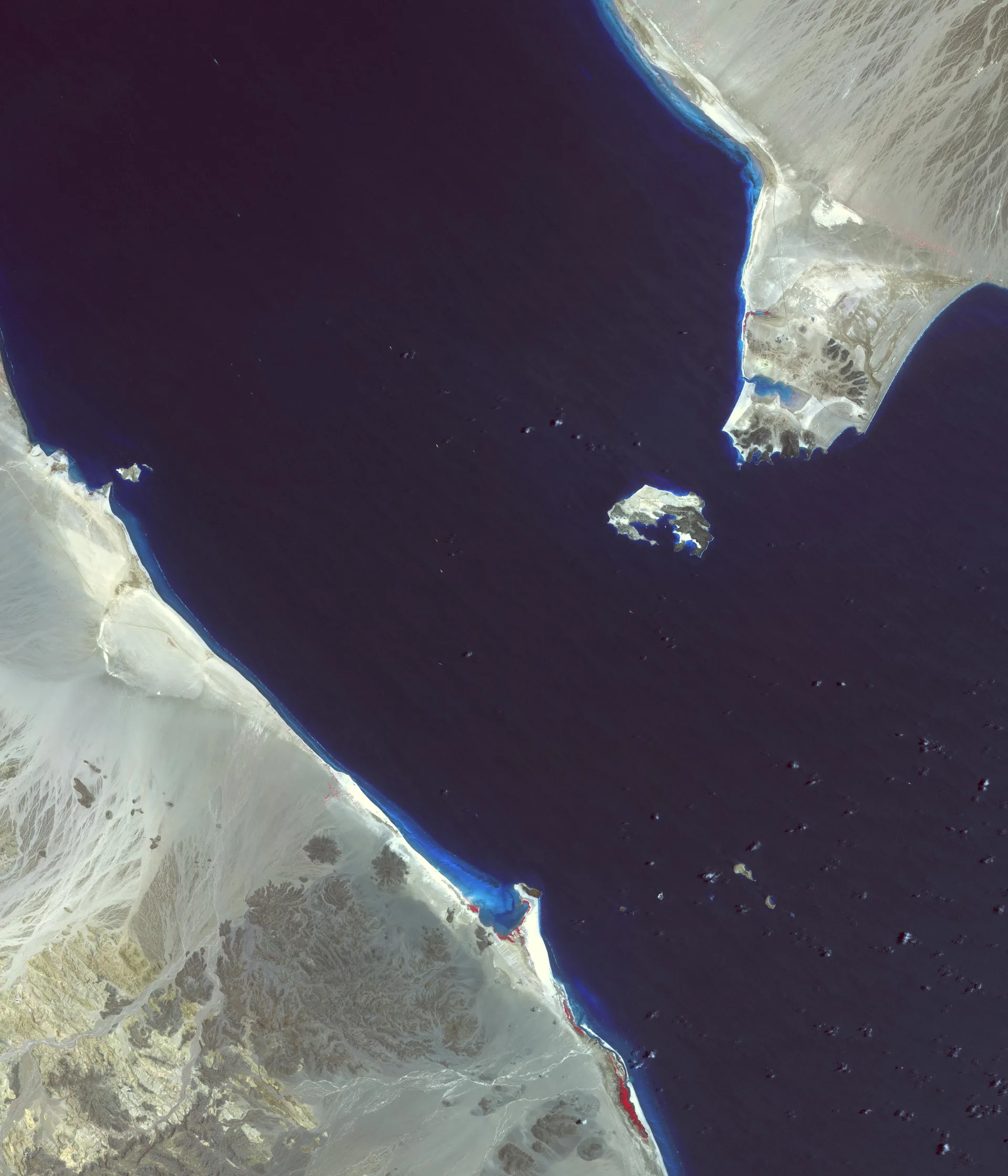
Saudi Arabia is planning a military offensive against the Houthis in Yemen, expected to be launched in the coming weeks, with the aim of retaking the Bab el-Mandeb strait and breaking the group's hold on Red Sea shipping, six people with knowledge of the preparations told Reuters on October 2. The operation would be led by Yemeni forces on the ground overseen by Riyadh, with Saudi air strikes in support. Spokespeople for the Saudi and Yemeni governments, the Houthi group, and the US military did not immediately respond to Reuters' requests for comment on the plans — so the offensive exists, for now, as a reported plan backed by six anonymous officials, not as a confirmed operation.
What is Saudi Arabia planning?
Reuters reported that the kingdom is weighing two main options: a narrowly focused coastal operation to secure the area around Bab el-Mandeb, or a broader offensive combining that coastal push with synchronized attacks on multiple fronts in the governorates of Al-Bayda, Marib, Taiz, and Al-Jawf. More than 100,000 Yemeni troops could be mobilized depending on the scale chosen, the officials said — Gulf and Yemeni officials and Western diplomats among them.
The key objective, according to the people with knowledge of the plans, is to reverse the rapid gains the Houthis made last month, when they advanced down the coast and seized control of the Bab el-Mandeb strait. A central judgment reported by Western diplomats and a Gulf official: Riyadh has concluded it cannot enter new Yemeni peace negotiations with the Houthis while the militants control the strait, because that control gives them significant global leverage.
The timing is uncertain. The six sources' estimates for a launch ranged from within a week to after the US midterm elections in early November.
Why does Bab el-Mandeb matter?
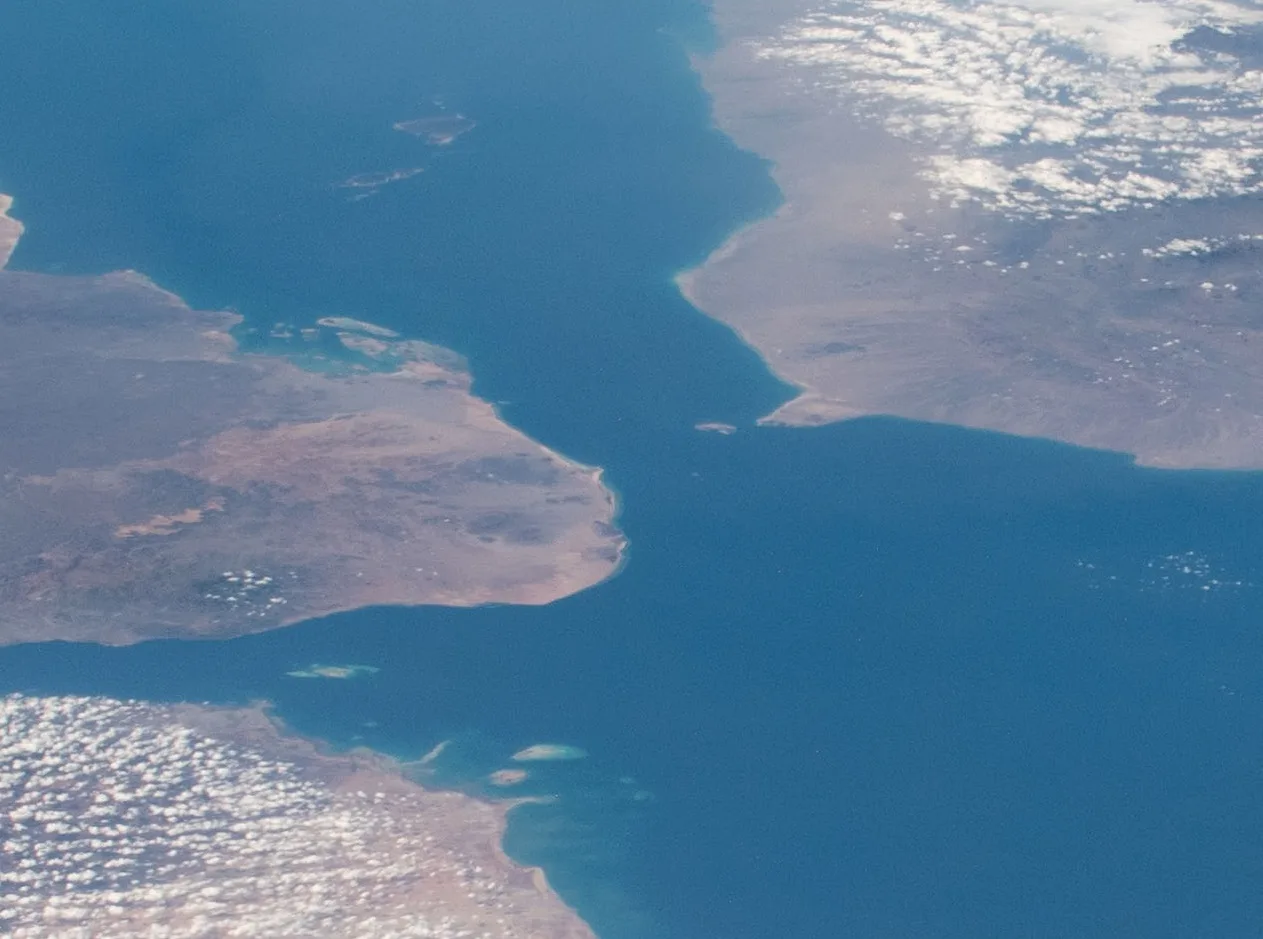
The strait is the southern exit passage of the Red Sea — the shipping route between the Mediterranean and Asia. Reuters reported that it has assumed even more importance this year as an alternative to the Strait of Hormuz, which has been effectively closed by the Iran conflict. With Hormuz choked and Bab el-Mandeb under Houthi pressure, two of the world's most important maritime chokepoints are simultaneously constrained.
The Houthis have also become, in Reuters' words, "Iran's most formidable ally in the Middle East since Israel's degradation of Hezbollah in Lebanon over the past three years." A Saudi-directed offensive would mark what Reuters called "a new flashpoint in a region engulfed by conflict since the Hamas-led attacks on Israel of October 7, 2023 and the subsequent US-Israeli war on Iran."
Who is backing the campaign?
The United States is already providing intelligence to support Riyadh's operations in Yemen, including targeting information for Saudi air operations, one Western diplomat told Reuters. But the extent of support appears limited: Reuters has previously reported that US President Donald Trump rebuffed requests by the de facto Saudi ruler Mohammed bin Salman for direct military support such as air strikes, and Saudi allies are not expected to play a direct role in combat operations.
Turkey and Pakistan, with whom Saudi Arabia signed a joint defense agreement last month, have provided military equipment the kingdom is using in Yemen, Pakistani and regional officials told Reuters. Last month, Pakistan sent four cargo planes with equipment — including air defense systems, light artillery, drones, and anti-drone systems — to Aden, the seat of Yemen's Saudi-backed government, a Pakistani government official said. Pakistani military advisers are on the ground with Saudi counterparts to support Yemeni forces, and Turkish drones bought by Saudi Arabia before the current war have been deployed over Yemen, the officials added.
Pakistan has separately deployed between 30,000 and 40,000 troops to Saudi Arabia to help defend the kingdom's land borders and assist with drone and missile interceptions, according to a Pakistani official — though Islamabad has not decided to send troops into Yemen in a fighting capacity. France, meanwhile, has announced it will send defensive systems and troops to help protect the Red Sea port city of Yanbu.
What could go wrong?
Any ground operation would rely on the disparate coalition of Yemeni fighting factions that Saudi Arabia and the United Arab Emirates armed and trained during earlier stages of the civil war. Analysts are skeptical about their readiness. "Many anti-Houthi forces are still not organized or prepared for the kind of sustained offensive required to push back a disciplined Houthi military force. And they are being tested right now, as the Houthis apply pressure across several fronts at once," Yemen analyst Mohammed Albasha told Reuters.
Yemeni forces were further fractured last winter, Reuters reported, when UAE-backed southern fighters tried to take territory in the east and announce secession plans, and were defeated by Saudi-backed fighters after a series of clashes. Ali Shihabi, a Saudi political analyst close to government thinking, cautioned that the outcome would depend on ground-force performance: "Success greatly depends on the quality of the performance of the local forces."
Michael Ratney, a former US ambassador to Saudi Arabia, told Reuters he expected an offensive to be narrowly focused and "certainly more modest in scope than the Saudi-led operation in 2015 that sought to rout the militants": "As much they want to vanquish the Houthis completely, they also need to get back to status quo ante before Houthis controlled territory along Bab el-Mandeb. Ideally, it would be a fairly limited operation to retake coastal areas and get back to normal maritime traffic."
What is the market picture?
The reported offensive plan arrives with oil markets already pricing a conflict premium around Middle East supply. Front-month Brent crude traded around $101.93 per barrel, unchanged over the previous 24 hours in data updated October 4, and is up roughly 7.5% over the past 30 days. Spot gold held near $4,140 an ounce. Reuters' reporting frames the strait's value in commercial terms: it is a key shipping route between the Mediterranean and Asia that has grown more important precisely because Hormuz is effectively closed. No outlet has reported a direct causal link between the offensive plan and specific price moves — the figures above are snapshots, not evidence of market reaction.
Not financial advice. Figures are snapshots checked at publication time, not live prices, and do not reflect any recommendation.
Related: our [October 2 report on the Yemen government strikes in Taiz](/articles/0536-yemen-taiz-airstrikes-houthi-medina-drone-attack) and the [October 3 report on Yemeni government strikes in Sanaa and Saada](/articles/2230-yemen-strikes-sanaa-saada-houthi-targets).


