
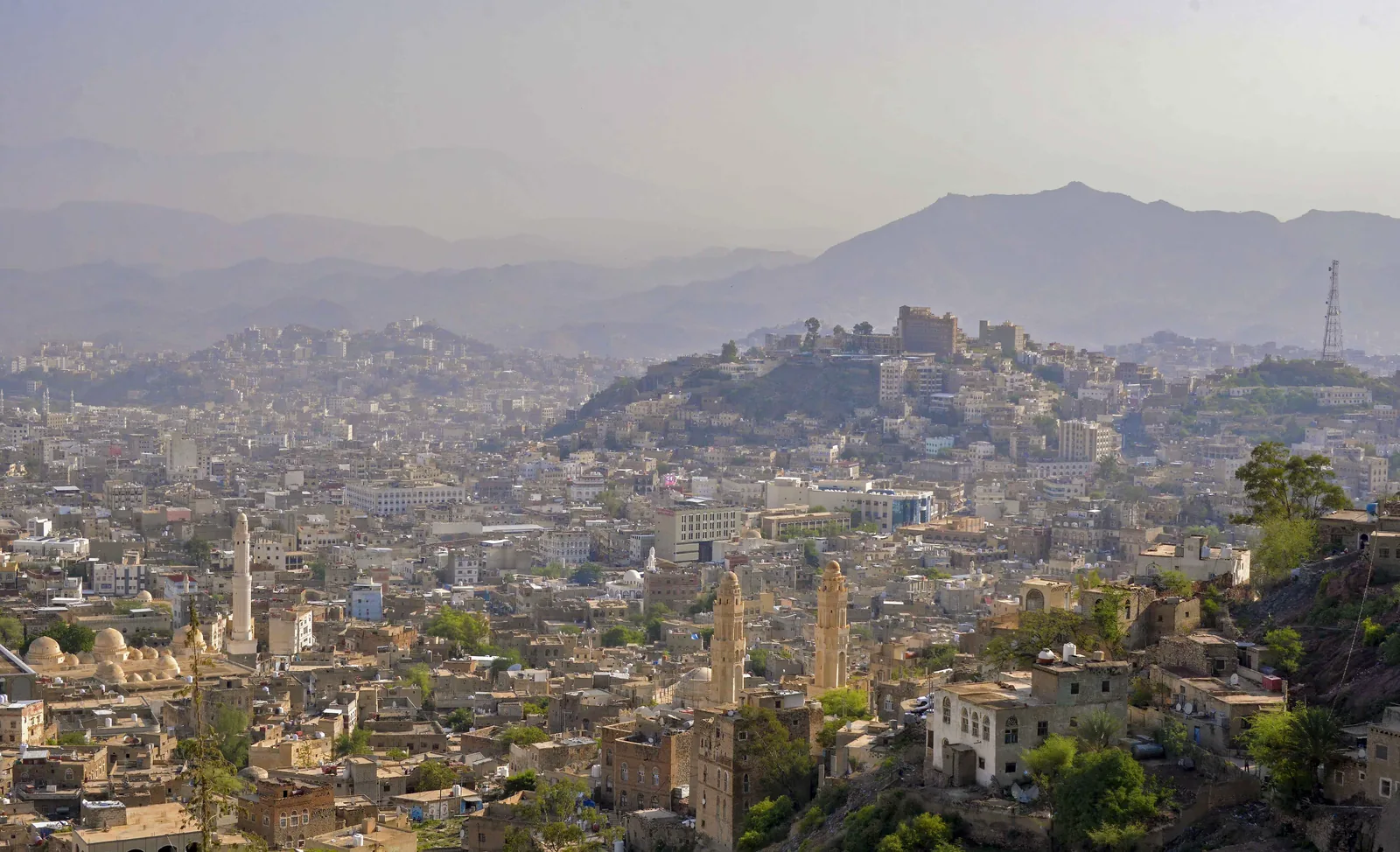
Yemen's Taiz airstrikes mark the sharpest confrontation yet between Saudi Arabia and the Iran-aligned Houthis since their UN-brokered truce largely halted cross-border attacks in 2022. On Friday, the military spokesperson for Yemen's internationally recognized government said warplanes had carried out 20 strikes over the past three hours targeting Houthi movements, personnel, vehicles and military equipment in Taiz province — the same day the Saudi-led coalition publicly accused the Houthis of a drone strike on a power station in the holy city of Medina.
The Taiz strikes
The government military said the 20 strikes hit Houthi positions in southwestern Yemen's Taiz province. Separately, government forces said on X that they had carried out more than two dozen airstrikes against Houthi positions in Taiz, targeting missile storage, command centres and other military sites.
Reuters, citing six military sources, reported that fighting was widespread across Taiz and that authorities had ordered the closure of all roads leading into the province, designating them military operational areas. Around 19 roads were affected by the closures, including the main route running from southern Sanaa to Taiz.
The stakes in Taiz are strategic: Reuters noted that unchallenged Houthi occupation of the province would give the group full control over the country's north, a tighter grip on the Red Sea coast and easier access to the south and the southern port city of Aden, seat of the government. The renewed conflict has already displaced tens of thousands of people and, Reuters wrote, could reshape control in Yemen with implications for Red Sea shipping lanes and the Bab el-Mandeb Strait.
AFP correspondents heard loud explosions in the Houthi-held capital Sanaa on Thursday evening, while the internationally recognized government's military said it had conducted a "high-value targeting operation" in Sanaa and struck 11 targets in Saada province. An AFP military spokesman said 27 air strikes had targeted what he described as an "integrated military system" belonging to the Houthis in Taiz.
The Medina accusation and the denial
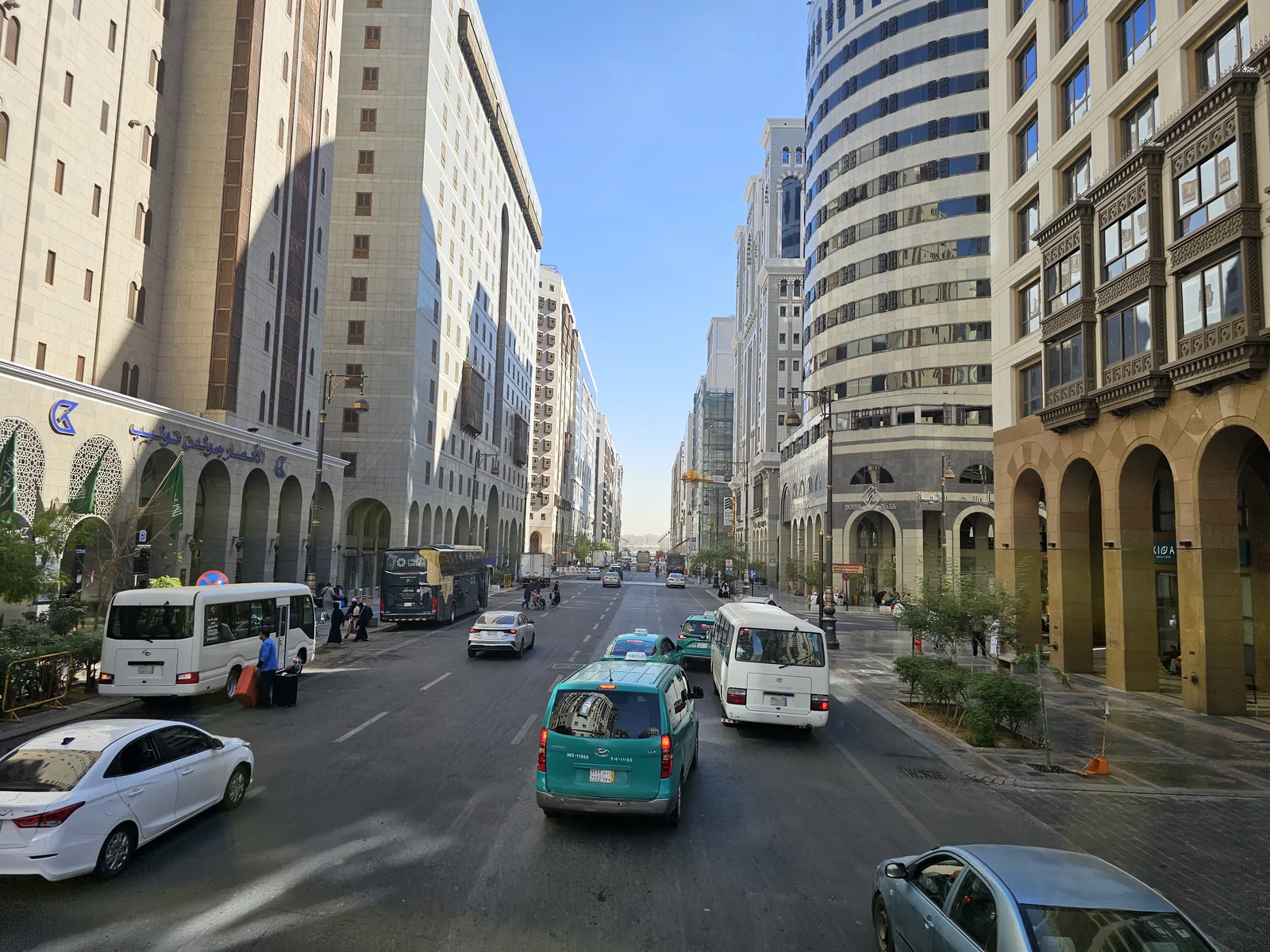
The immediate trigger, according to the coalition, came at 5:11 am (0211 GMT) on Tuesday, September 29, when a drone struck the Taibah electricity distribution station in Medina — one of Islam's two holiest cities — which supplies electricity to the Prophet's Mosque.
Coalition spokesman Major General Turki al-Maliki said the investigation, including an operational review and analysis of drone wreckage, had "confirmed the involvement of the Terrorist Houthi Militia in planning and executing this cowardly terrorist act." He said one transformer was taken out of service without affecting the wider electricity network. Turkey, Qatar, the League of Arab States, and Cairo's Al-Azhar institute were among those condemning the reported attack, according to AFP.
A Houthi military source, quoted by the Houthi-run Saba news agency, denied the accusation, calling it a "lie" intended to cover up what he described as Saudi Arabia's failure to substantiate an earlier accusation that the Houthis had targeted the Muslim holy city of Mecca. The Houthis deny targeting Mecca or any other Islamic holy site.
That earlier episode looms over the current dispute: Saudi Arabia said two weeks ago that it had intercepted and destroyed a Houthi drone south of Mecca before it entered restricted airspace over the city — an allegation the Houthis also denied. Attacks linked to Islam's holy cities are rare, and claims about them remain deeply contested; neither side's version has been independently verified.
A pattern of escalation

The Taiz and Sanaa strikes follow a steady deterioration of the informal arrangements that kept Saudi-Houthi cross-border attacks largely halted since 2022. The Houthis, who control Sanaa and much of Yemen's Red Sea coast, have repeatedly launched drones and missiles at Saudi Arabia since the kingdom intervened in Yemen's civil war in 2015.
No casualty figures have been reported for the Taiz or Sanaa strikes. The confrontation is unfolding against a backdrop of wider regional friction: the Saudi-led coalition and the Houthis traded accusations over Red Sea shipping and naval incidents through the summer, and the Saudi-backed government has been pressing an offensive in southwestern Yemen. Whether the current round of strikes remains contained to the Taiz theater or expands will determine whether this escalation resembles past flare-ups — or the opening of a new, more direct phase of the Saudi-Houthi conflict.


