

Pakistan's military has confirmed it has troops stationed in Saudi Arabia, the first explicit acknowledgement of a Pakistani deployment under the newly activated Mecca Joint Defence Agreement — days after Houthi missile and drone attacks on Saudi airports killed three people. "The forces of Pakistan are already there," Lt. Gen. Ahmed Sharif Chaudhry, the head of the Pakistani military's media wing, told CNN in an exclusive interview on Wednesday. He declined to say how many troops or what capabilities were involved, calling those details classified.
What did Pakistan confirm?
Chaudhry, the Director General of the Inter-Services Public Relations, said the deployment had not come "out of a vacuum": Pakistan has maintained a military presence in Saudi Arabia for decades. The difference now is the legal frame. The two countries and Turkey signed the Mecca Joint Defence Agreement in August 2026, and on October 5 an emergency meeting of the pact's Strategic Political and Defence Committee in Riyadh agreed to implement its collective-defence commitments — the first time the mutual-defence pact has been invoked since it was signed, TBS News reported, citing the joint statement. The statement said the three countries would move immediately to provide "agreed military forces and capabilities" for rapid deployment in the kingdom.
Chaudhry described Pakistan's commitment to Saudi security as "absolute" and the alliance as a collective-defence arrangement under which an attack on one member is treated as an attack on all. TBS News reported that Pakistan was preparing to expand its military presence with up to 25,000 additional troops, citing its sources, and that more than 15,000 Pakistani troops were already stationed in the kingdom — figures CNN's interview did not confirm.
What did Chaudhry say about Yemen?
He would not be drawn on whether Pakistani troops would be involved in operations across the border in Yemen. No participating country, he told CNN, discloses in advance how it will employ its forces in a conflict — adding that any Pakistani involvement would be "defensive in nature." He framed the alliance's purpose as the defence of the Kingdom, not the identification of enemies, and said the collective-security agreement would act as a deterrent against "anyone having some funny ideas" against a member state.
The confirmation comes with a complication Pakistan openly acknowledges: it has played a key mediating role between Iran — its neighbour and the Houthis' backer — and the United States since the US and Israel launched their war with Iran. In 2015, Pakistan's parliament voted against sending troops to assist Saudi Arabia in an earlier round of fighting against the Houthis in Yemen. Chaudhry said Islamabad was still pushing for a negotiated end to the broader regional war and did not want the conflict to expand.
What is driving the escalation?
Over the past two days, the Houthis have killed three people in attacks on Saudi airports, Saudi officials said. The Houthi-controlled armed forces said they fired a ballistic missile toward Riyadh's King Khalid International Airport on Wednesday — Saudi authorities said one Sudanese resident was killed and eight others wounded. The Saudi-led coalition's spokesman said Saudi forces had destroyed the ballistic-missile launcher used in the Riyadh attack and warned that preparations were underway for "another imminent attack." A separate strike on Abha International Airport on Tuesday killed two female residents, one Moroccan and one Algerian national, and wounded 28 others, according to the Saudi General Authority of Civil Aviation. The Houthis claimed responsibility for both attacks.
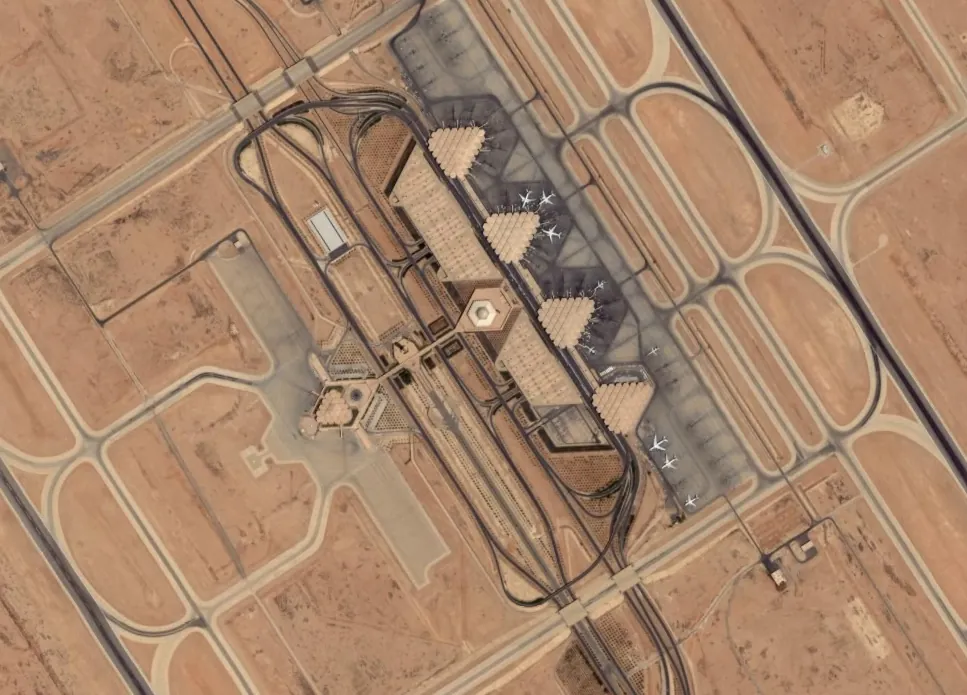
The airport attacks are part of a wider campaign. This week, Houthi fighters also used ballistic missiles to target Aden's international airport — the seat of Yemen's internationally recognized government and an important transit hub — with missiles landing near the runway shortly before a Yemenia Airways flight from Cairo was due to land, forcing the plane to divert to Jeddah, Yemen's Transport ministry said. The targeting prompted the US Mission in Saudi Arabia to update its security alert, warning American citizens the conflict "has the potential to escalate."
The attacks come as Saudi-backed Yemeni government forces press ahead with Operation "Dawn of Yemen," aimed at rolling back Houthi gains. The Houthis seized effective control of the strategic Bab al-Mandeb Strait last month, CNN reported, but in recent days Yemeni government forces have claimed to have retaken some of those positions — a territorial contest neither side's claims independently resolve.
What comes next?
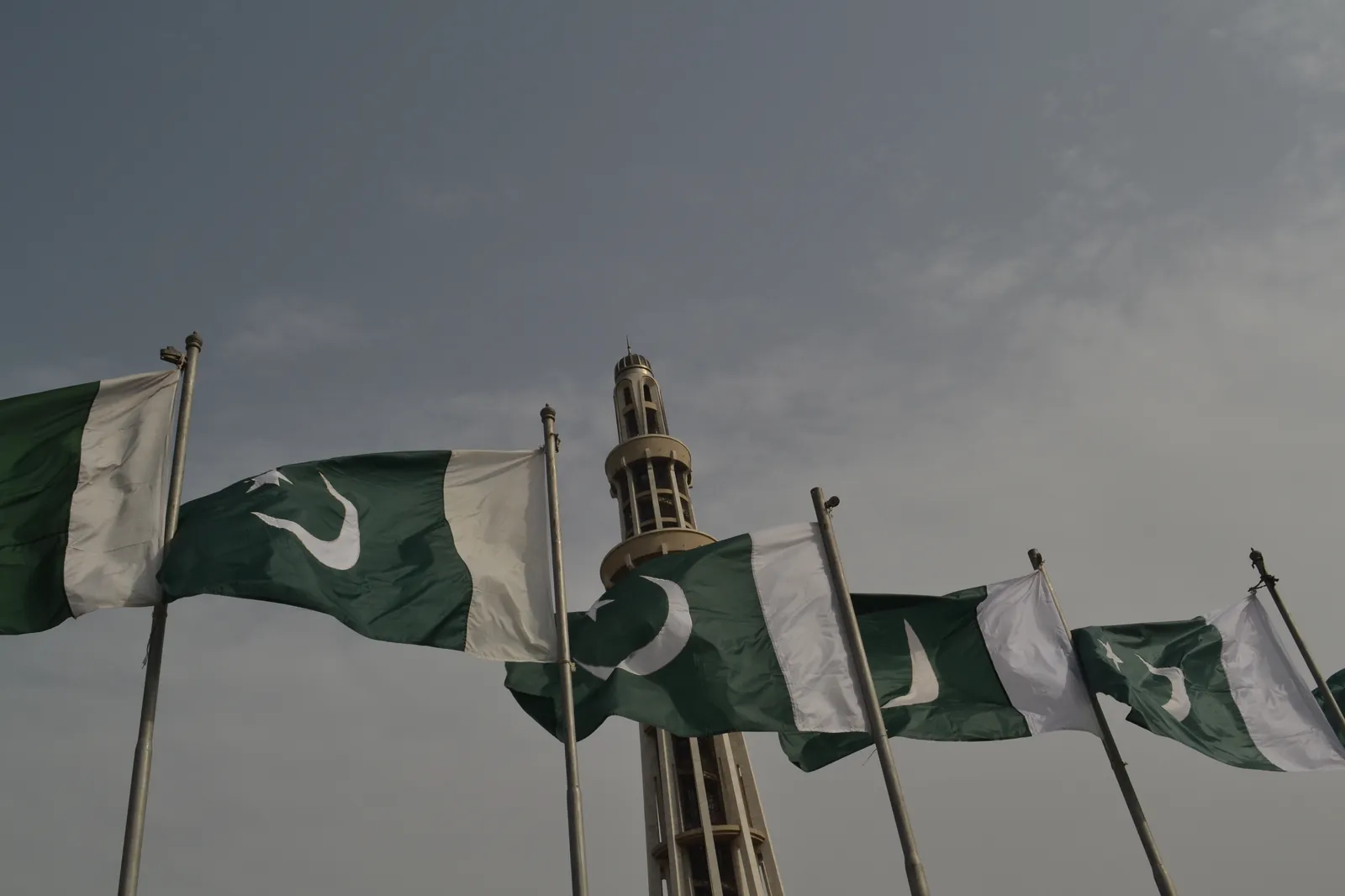
Riyadh is assembling support on multiple fronts: Turkey and Pakistan have agreed to rapid deployment under the Mecca pact, and Reuters reported this week that Syria is weighing military assistance as well. Whether deliberation becomes deployment — and whether the pact's collective-defence clause translates into combat operations inside Yemen — remains undecided. What Pakistan's confirmation establishes is that the Gulf's newest military alliance is already moving forces, even as its members describe the posture as defensive and deterrent.
---
Attribution notes: the troop confirmation rests on Lt. Gen. Ahmed Sharif Chaudhry's on-record interview with CNN; force numbers beyond the confirmation itself were not disclosed and are treated as unconfirmed. Pact-activation details come from the joint statement as reported by TBS News and Al Jazeera's original reporting. Airport casualty figures are reported by Saudi authorities and cross-reported by CNN and Reuters; Houthi responsibility claims are the group's own statements. The troop-figure estimates (15,000–25,000) are reported by TBS News citing its sources, not independently confirmed. Territorial claims around Bab al-Mandeb are presented as each side's account.


