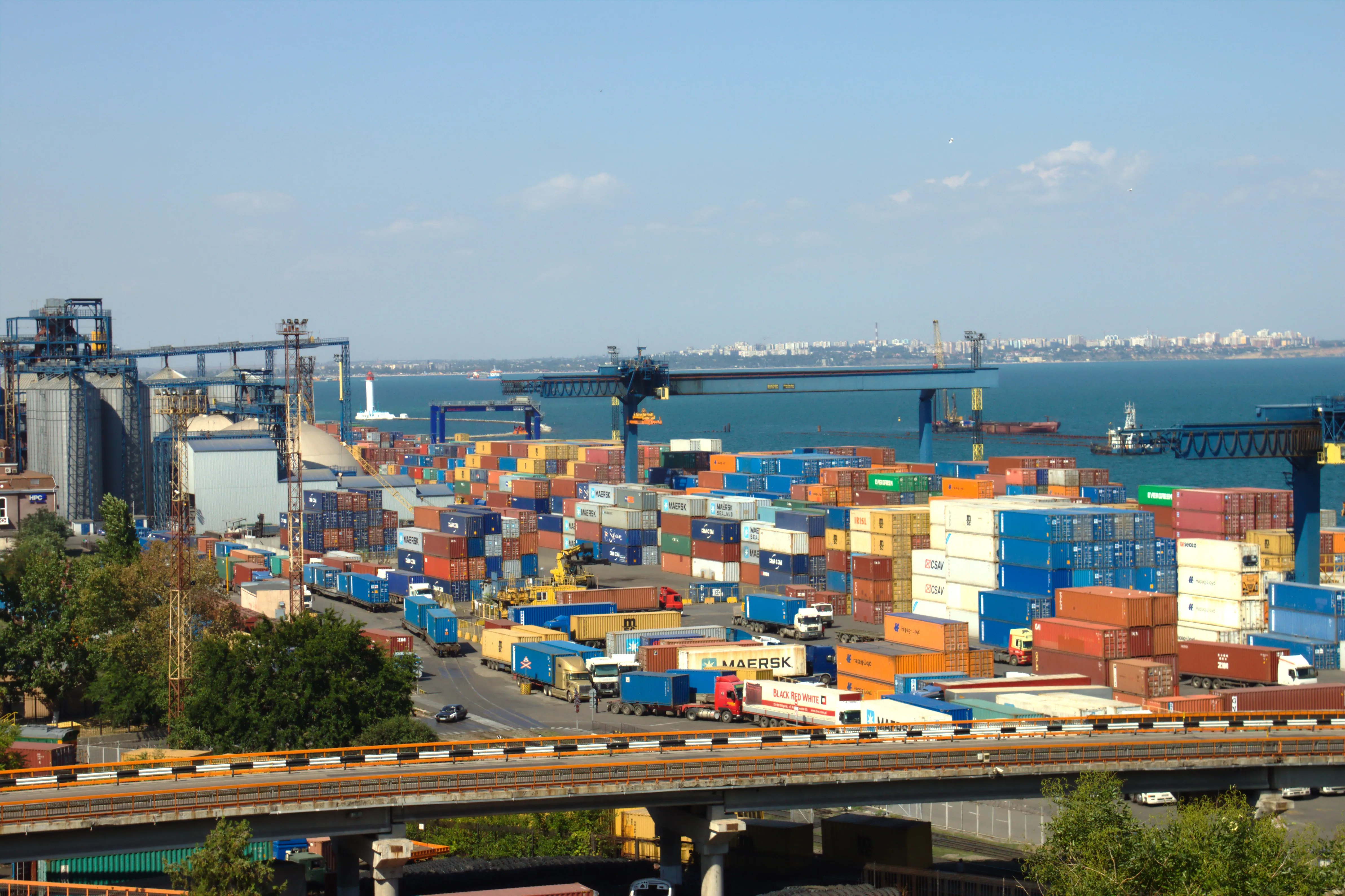
Russia carried out massive air strikes against industrial and port infrastructure in Ukraine's Odesa region early Monday, October 5, extending its weeks-long campaign against the country's Black Sea export corridor. Regional Governor Oleh Kiper said on Telegram that the strikes were massive in scale and that all fires caused by them had been extinguished, according to Reuters. In a separate strike late Sunday, Kharkiv Mayor Ihor Terekhov said one person was killed and six others injured in Russia's second-largest city.
What did Russia claim to hit?
Russia's Defense Ministry said on Telegram that its forces hit Vylkove port, fuel depot facilities in Chornomorsk, and cargo vessels in the Odesa region, as well as a power station in the Kharkiv region. The ministry said the targets were used for military purposes. As with the ministry's other claims about the strikes, Reuters could not independently verify them.
What was independently confirmed — and what was not?
Confirmed by Ukrainian officials: that massive strikes hit industrial and port infrastructure in the Odesa region on Monday and that fires broke out and were later extinguished. Confirmed by Russia itself: that it carried out the strikes — so attribution of the attack to Russia is not in dispute.
What was not independently verified: the military-purpose framing of the targets, the precise damage, and the casualty figures. The Kharkiv toll of one killed and six injured comes solely from Mayor Terekhov's Telegram post as reported by Reuters; no independent confirmation was available.
Why does this matter?
The October 5 strikes are the latest in an escalating sequence. A day earlier, Russia said it hit Kyiv's Northern bridge over the Dnipro river and two dry cargo vessels carrying military equipment bound for Odesa, and it has struck a Nova Poshta logistics centre in Chornomorsk and a data centre in Odesa. The campaign also claimed a Liberian-flagged cargo ship in an Odesa port on October 3, killing one sailor and injuring three, according to Ukraine's sea ports administration.
Russia has pledged to intensify its strikes after Ukrainian President Volodymyr Zelenskiy told Reuters that Kyiv would step up attacks on Russian oil refineries. That exchange — strikes on Ukrainian infrastructure answered by strikes on Russian energy — is now the war's dominant rhythm, with grain exports and energy prices caught in the middle.