
At least 627 flights were cancelled on Sunday and Riyadh's King Khalid International Airport is expected to remain closed until 9 p.m. local time after Saturday's deadly attack on the passenger terminal, according to flight-tracking website Flightradar24, cited by Reuters via CNN. The Saudi-led coalition confirmed the Houthis were behind the strike, which killed at least 12 people and wounded 309, while condemnations poured in from the United Nations, regional capitals, and President Donald Trump — who said he will speak with Saudi Crown Prince Mohammed bin Salman as Washington weighs joining strikes on the Houthis.
What is the latest on the airport?
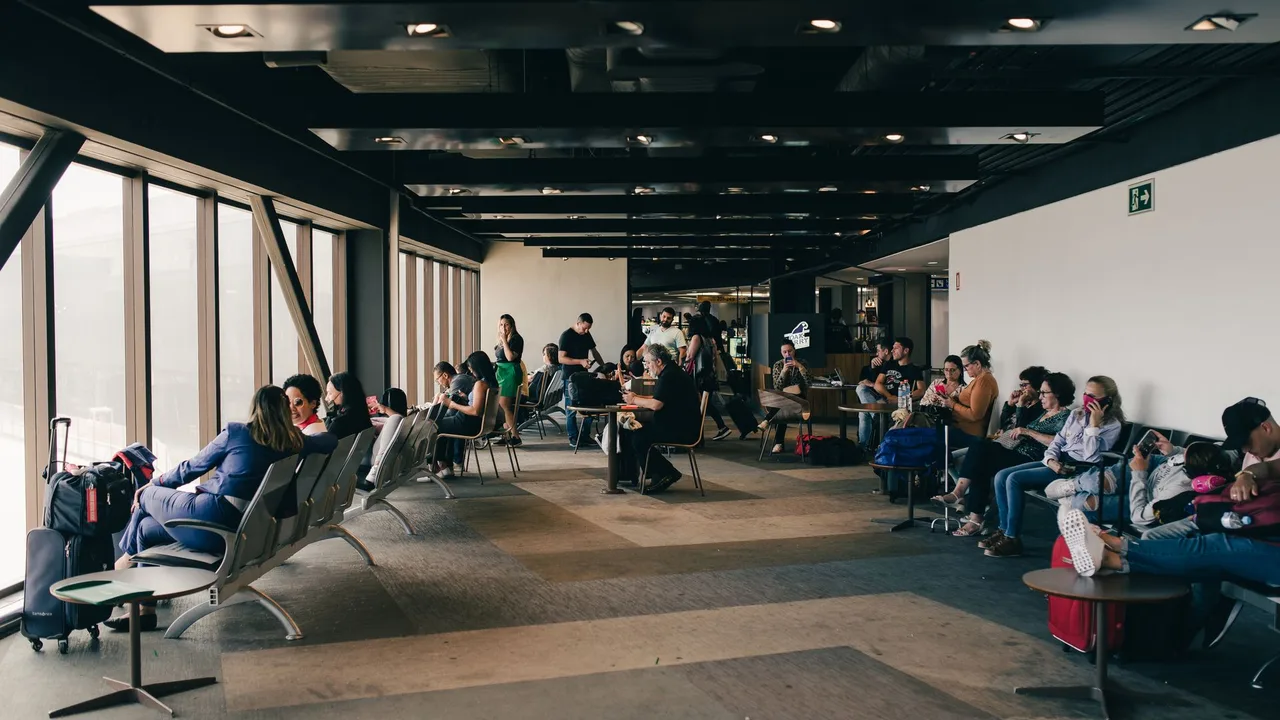
All flights were diverted or temporarily halted after Saturday's attack on the airport's passenger terminal, which serves a city of roughly 8 million people. The casualties, reported by the Saudi civil aviation authority, include four Saudi citizens, two Bangladeshi residents, and one resident each from the US, Egypt, Jordan, Syria, Palestine, and Sudan; 309 people were wounded. The attack was the third strike on the airport this week and the deadliest attack against Saudi Arabia in more than a decade.
The coalition's Joint Forces Command confirmed the Houthis were behind the attack, which struck the passenger terminal and killed both passengers and staff, CNN reported. The head of the Houthi media office had posted on X after the blast that the group had "shut down" the airport, though the Houthis' military spokesman had issued no formal claim of responsibility at publication time. The group has warned airliners against using Saudi airspace, declaring it a zone of military operations.
How is the US responding?
President Trump called the attack "terrible" and said he would speak with Crown Prince Mohammed bin Salman soon. Asked outside the White House whether Washington planned to join Saudi strikes on the Houthis, Trump told reporters: "We may. We're gonna look at it. We just found out about the recent attack, so we'll make a decision. We move very quickly." Trump also said Saudi Arabia could defend itself, adding: "The Saudis are good fighters. But I think the attack was a terrible thing."
US Secretary of State Marco Rubio confirmed an American citizen was among those killed and wrote that Washington "stands with the Kingdom of Saudi Arabia" in condemning what he called "these reprehensible attacks."
What did the UN and other governments say?
UN Special Envoy for Yemen Hans Grundberg called the attacks "a grave escalation" and said they pose a serious threat to regional security, warning they "perpetuate cycles of violence and complicate even more peace efforts for Yemen." UN Secretary-General António Guterres condemned the strike, writing that "attacks on civilians and civilian infrastructure are a violation of international law."
Regional and international condemnations followed: Egypt denounced a "flagrant violation" of international law; Qatar called the attacks "a serious violation of Saudi sovereignty and a direct threat to the security of the region," expressing full solidarity with Riyadh and support for "all legitimate measures" the kingdom takes; the Palestinian foreign ministry declared full solidarity with Saudi Arabia; and Japan's embassy in Saudi Arabia said assaults on civilians "cannot be tolerated" under any circumstances.
Attribution of the attack to the Houthis rests on the Saudi-led coalition's confirmation, as reported by CNN; the Houthis' military spokesman had issued no formal claim at publication time. Casualty figures are from the Saudi civil aviation authority and may be updated. This article was published on a Sunday; markets were closed, so no market snapshot box is carried.


