
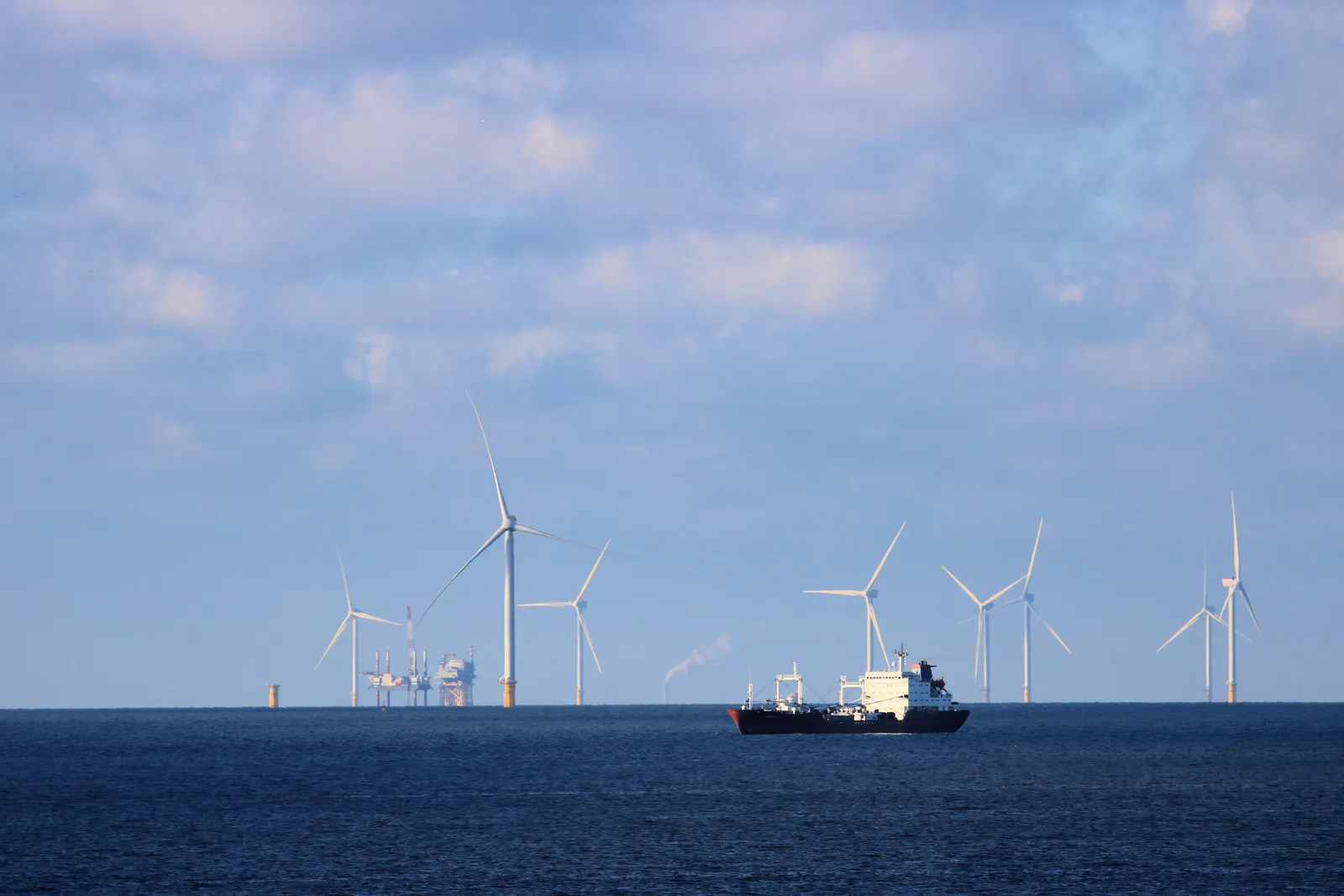
Gulf stock markets fell in early trade on Thursday, October 8, 2026, as attacks on tankers in the Strait of Hormuz reached their highest levels of the war, Reuters reported. The latest attack came on Wednesday, when a tanker was hit by multiple projectiles 51 nautical miles north of Qatar's Madinat ash Shamal, causing casualties, the United Kingdom Maritime Trade Operations (UKMTO) said. Shipping data showed the number of vessels passing through the Strait of Hormuz has fallen to its lowest in more than two months.
What happened?
UKMTO reported on Wednesday that a tanker north of Qatar had been struck by multiple projectiles, with casualties among the crew. The attack came as strikes on tankers transiting the Strait of Hormuz hit their highest level last week of any week since the Iran war began, according to Reuters, as Gulf producers increased exports through the waterway.
The surge in attacks came just as Gulf producers were pushing to export more, Reuters reported. The Strait of Hormuz carried shipments equal to about 20% of global oil and fuel before the war, making it the single most consequential chokepoint in global energy trade.
How are markets reacting?
Saudi Arabia's benchmark index, the TASI, dropped 0.9% in early trade on Thursday, Reuters reported, with the country's biggest lender by assets, Saudi National Bank, declining 2.6%. In Abu Dhabi, the index lost 0.9%, while Dubai's main share index shed 0.9%. The Qatari index fell 0.6%, hit by a 0.8% drop in Qatar Islamic Bank.
Oil prices rose on Thursday on persistent worries about supply from the key Middle East producing region amid the shipping attacks, Reuters reported. Brent crude futures rose $2.28, or 2.28%, to $102.28 a barrel by 0427 GMT; US West Texas Intermediate futures gained $1.66, or 1.88%, to $89.94. Reuters also cited a second driver for the price rise: Hurricane Isaias was curtailing offshore production in the US Gulf, with Shell and Chevron shutting operations and about a quarter of Gulf of Mexico oil production shut in as of Wednesday.
Prices had settled lower on Wednesday after the International Energy Agency agreed to accelerate the release of oil stocks and prioritize diesel supplies under a plan launched in March, Reuters reported. ANZ analyst Daniel Hynes said in a note Thursday that the IEA release would likely draw on barrels already part of the group's original 400-million-barrel release plan from the start of the Middle East conflict, meaning it does not represent an additional draw on strategic inventories.
Why does this matter?
The attacks deepen fears over supply through the strait that handles roughly a fifth of the world's oil and fuel flows. Reuters reported that the violence is spreading beyond the sea: Saudi Arabia's civil aviation authorities said Wednesday that three people had been killed in attacks on the kingdom's airports, as fighting intensified in Yemen between the Iran-aligned Houthis and Saudi-backed government forces — adding to the risks facing Gulf markets.
The war between the US and Israel and Iran entered its eighth month in October, and threats to oil shipping in the Gulf and the Strait of Hormuz have increased as the conflict grinds on. Reuters quoted ANZ's Daniel Hynes noting that while attacks in the past have reduced shipments from the Persian Gulf, producers now appear willing to risk vessel damage because there is no alternative way to get oil to international markets.
---
Market figures in this article and the box above are snapshots checked at publication time, not live prices. They are reported for news context only and are not financial advice. No perpetrator of the Wednesday tanker attack has been identified in the sources consulted for this article.


