
US President Donald Trump said on Monday that he has offered Iran nothing to end the war, rejecting media reports that he was willing to ease sanctions and release frozen Iranian funds in exchange for concrete steps on Iran's nuclear programme. "This is untrue. I offered them NOTHING," Trump wrote on Truth Social. The denial came the same day US and Iranian officials spoke separately with mediators in a renewed effort to end the seven-month conflict, according to officials from both countries, Reuters reported.
The simultaneous denial and diplomacy capture the state of the war: public maximalism on both sides, with quiet channels still active behind the scenes.
Denial alongside diplomacy
Trump's post pushed back on reporting by Axios and CNN, both of which cited unidentified US officials as saying Trump was prepared to offer Iran sanctions relief and access to frozen funds as part of a final deal, on the condition that Iran showed "concrete progress" on the nuclear issue, Reuters reported.
Trump has cited preventing Tehran from acquiring a nuclear bomb as a central US goal of the war — launched alongside Israel in February as "Operation Epic Fury" — along with ending Iran's ability to attack its neighbours and creating conditions for Iranians to topple their leadership. Iran does not have nuclear weapons and denies it wants to develop them, but argues it has the right to a domestic nuclear energy capacity, Reuters noted.

Tehran signals readiness, but not on Washington's terms
Iranian President Masoud Pezeshkian, in an interview with the CBS show "Face the Nation," said Tehran was ready for talks on its nuclear programme and other issues, but would not accept "bullying or coercion."
"Iran is not seeking war, but will defend itself against pressure, threats and attacks," Pezeshkian said, adding that it had already agreed that "we're not supposed to develop nuclear weapons," according to Reuters.
Foreign Minister Abbas Araqchi has insisted that only diplomacy can resolve the conflict. "Our conditions are clear, and any move toward reopening the Strait of Hormuz is contingent on these conditions being met," he posted on social media. Araqchi said the proposed deal would trigger a seven-day countdown to reopening the strait and a pause in regional fighting — a proposal Trump rejected on Saturday, arguing Iranian desperation was driving the push for an agreement. Araqchi said mediators facilitating Tehran's talks with Washington had not officially relayed a US rejection.
The Strait of Hormuz remains the pivot
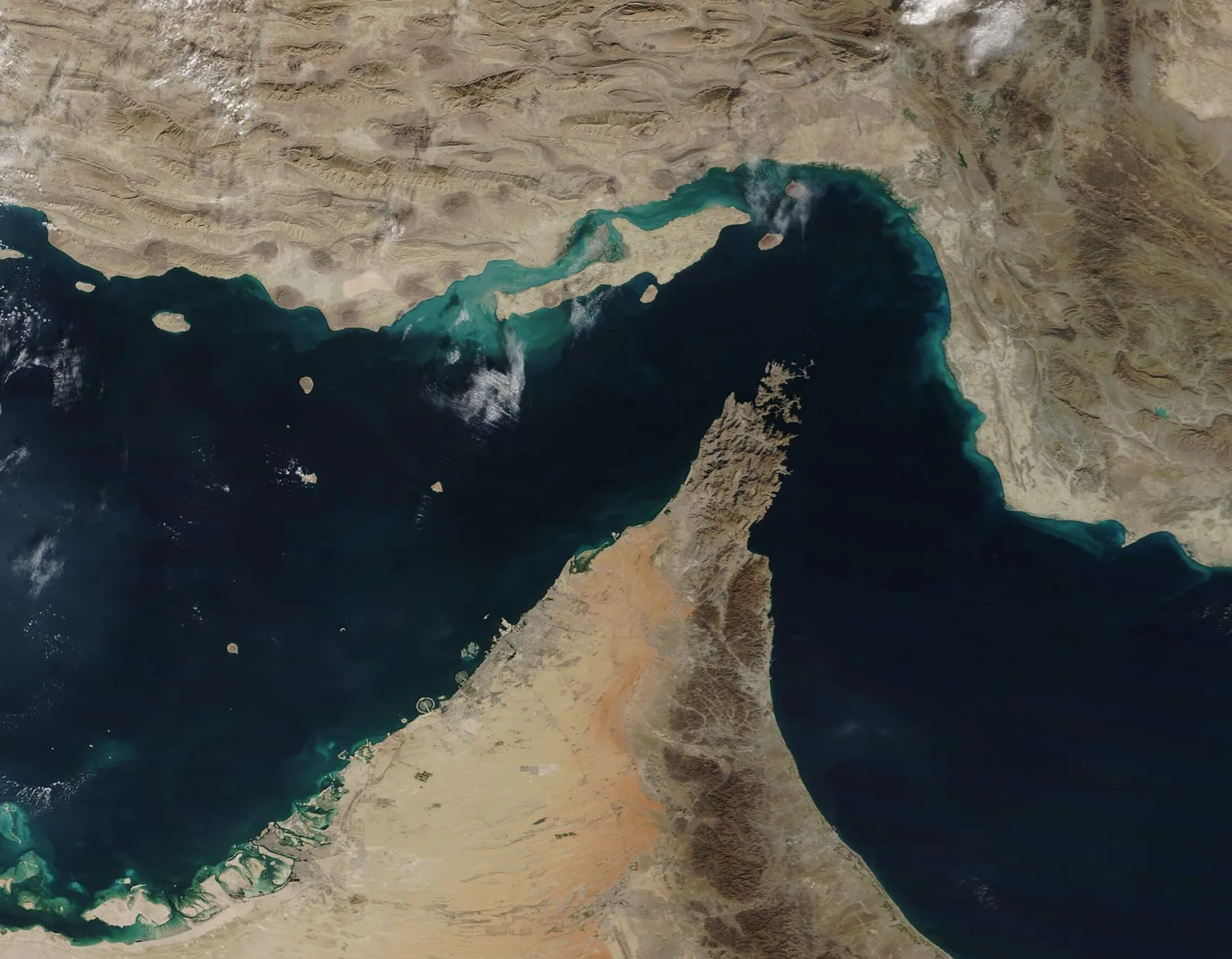
The strait — before the war, the route for roughly 20 percent of global oil supply — is the centerpiece of both the fighting and the negotiating. Tehran has linked any reopening of the waterway to a broader deal, while continued regional tensions have disrupted energy supplies and pushed up prices: Brent crude rose for a second successive session on Tuesday to $106.77 a barrel, Reuters reported.
"I offered them NOTHING" — President Donald Trump on Truth Social, September 28, 2026, as reported by Reuters
The war, which has killed thousands and fueled global inflation, has also drawn the region deeper in. Iran has struck US allies in the Gulf with drones and missiles, while its Houthi allies in Yemen have hit Saudi interests, and Saudi Arabia has been drawn deeper into the conflict this month as Houthi fighters advanced in Yemen, routing Saudi-backed government forces and threatening Saudi oil exports through the Red Sea, Reuters reported.
What to watch
Whether the separate mediator contacts on Monday produce a formal channel, how Tehran responds once mediators relay Washington's definitive position on the Hormuz proposal, and whether the shuttle diplomacy can survive the public hard-line messaging from both capitals. The USS Theodore Roosevelt carrier strike group's departure for the Arabian Sea — reported this week — underscores that the military pressure campaign is not pausing for the diplomats.


