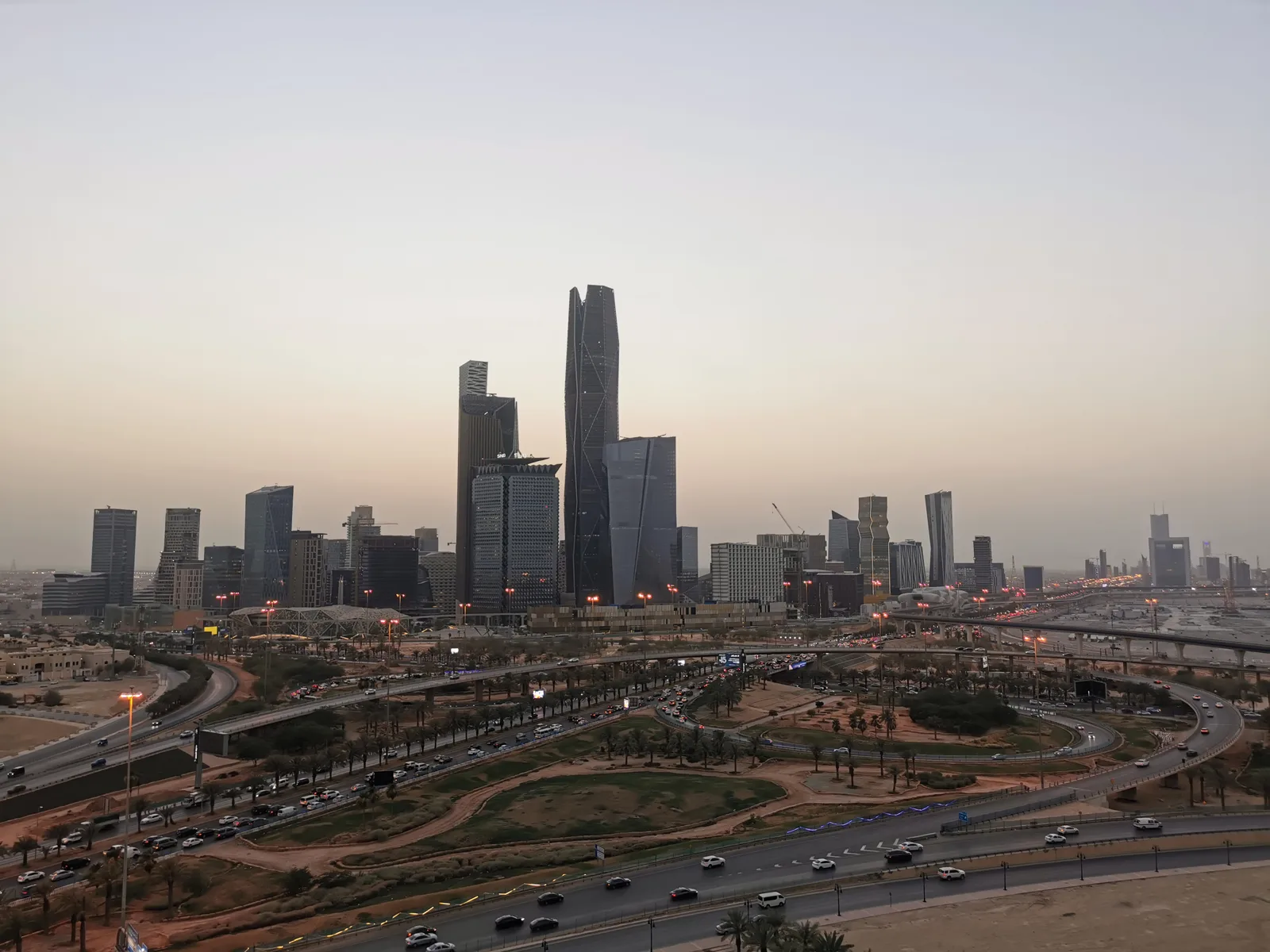
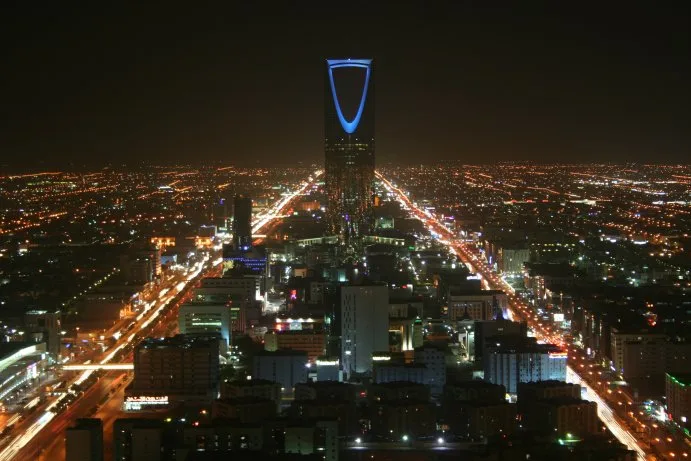
Saudi Arabia's civil defence said the danger had passed in Riyadh on Monday, minutes after it raised another alert for the capital — a day after debris from a Houthi attack damaged the Aramco Tower, blowing out windows across several floors of the oil company's office building in the King Abdullah Financial District. The energy ministry said on Sunday that the damage was limited and there were no casualties. The attack on the Aramco Tower in Riyadh hit one of the most prominent buildings struck in the Saudi capital since the Yemen war resumed in July, ending the UN-brokered truce that had held since 2022.
What happened to the Aramco Tower on Sunday?
The Saudi energy ministry said debris from an attempted attack damaged an Aramco building in the capital on Sunday, and Reuters reported on Monday that the falling debris blew out windows across several floors of Aramco Tower. Exactly how the tower was damaged is contested. The ministry's account describes debris from an intercepted or attempted attack; regional officials told The Wall Street Journal that a projectile struck the tower directly, and the Journal reported the building was empty at the time, with a civil-defence warning issued shortly before the strike. The Houthis claimed significant damage to the building. Aramco did not comment.
The tower, also known as "Villas in the Sky," is 36 storeys tall and stands in the King Abdullah Financial District, home to more than 140 companies, including 25 regional headquarters of multinationals, according to the Journal. Coalition spokesman Turki al-Maliki said Saudi air defences faced two ballistic missiles fired toward Riyadh and another toward the Eastern Province, and that two missiles in the southern region and a drone were also intercepted, Al Jazeera reported. Houthi military spokesman Yahya Saree said Riyadh's airport was also among Sunday's targets; Saudi authorities did not confirm that claim, Reuters reported.
What else has been hit in the renewed Saudi-Houthi war?
The exchange has widened since hostilities resumed in July — on Sunday alone, the Saudi-led coalition intercepted another Houthi missile in the Eastern Province and destroyed ballistic missile launchers in Saada and Sanaa, Reuters reported. The Aramco headquarters in Dhahran was among the Saudi facilities hit in recent weeks, and attacks since the truce collapsed have included King Khalid and King Fahd airports and the Ras Tanura and Rabigh refineries, according to Al Jazeera. An airport strike in October killed 13 people and wounded more than 300, Reuters reported.
The exchange runs in both directions. A strike near Sanaa on Saturday killed at least 33 people and wounded 39, according to the Houthi-run health ministry — a toll Al Jazeera said it could not independently verify and on which the coalition did not comment; the ministry said the dead in the al-Shariyah area included eight women and 13 children. The United Nations says more than 1,600 people have been killed and almost 300,000 displaced since the 2022 ceasefire collapsed in July. The Wall Street Journal reported that the war erupted again in September in the west of Yemen, where Houthi forces advanced along the Red Sea coast toward the Bab el-Mandeb strait — the campaign this site analysed in the Houthis' $51 billion war and in the Yemen war explainer. In a measure of how long the alert cycle has run, schools in the kingdom resumed in-person classes on Sunday after weeks of home learning, Reuters reported.
How is Saudi Arabia responding?
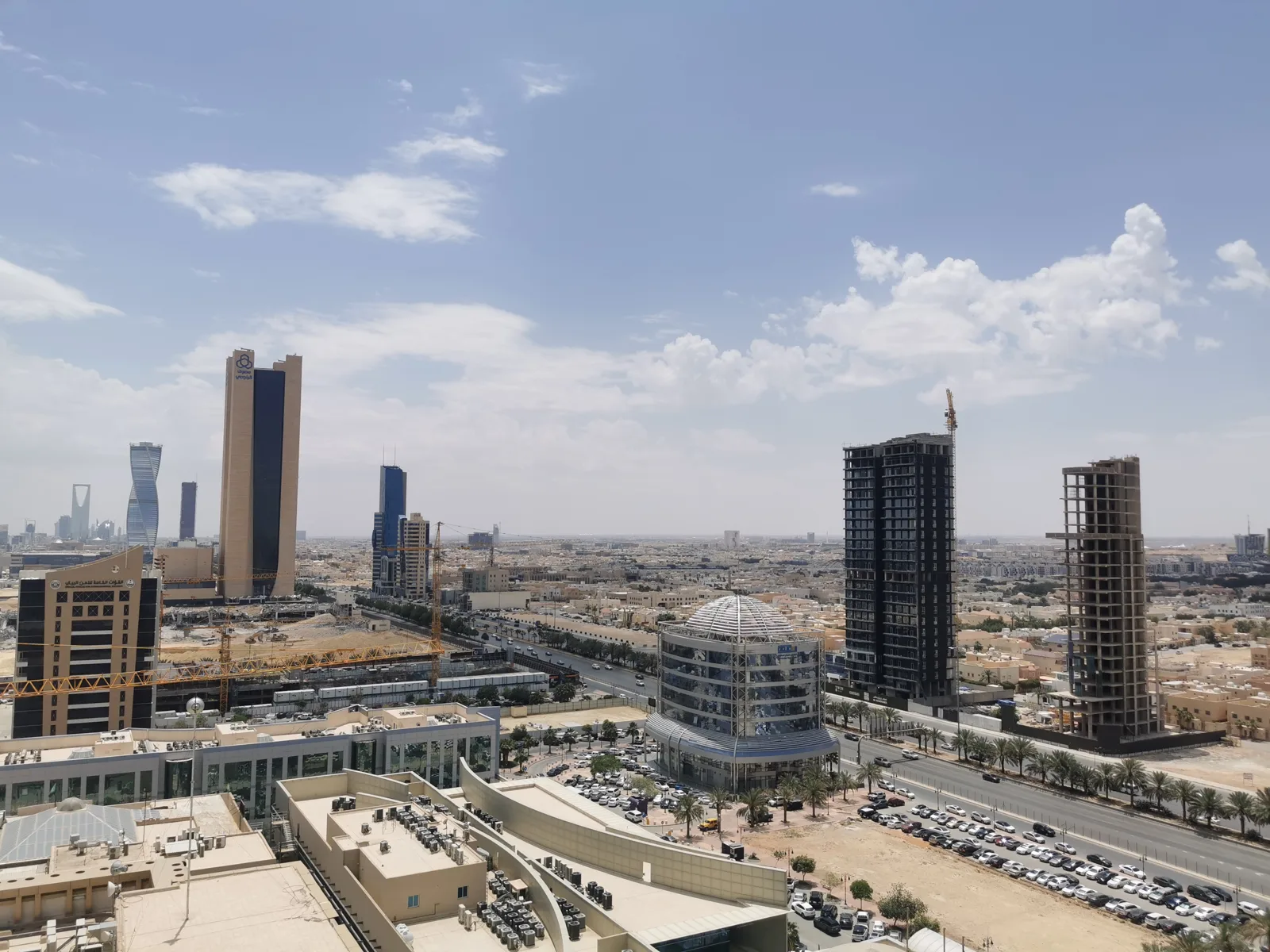
Riyadh is seeking additional defensive and offensive support from the United States and European states, Reuters reported, and Britain said in October that it would fly defensive fighter missions over the kingdom. The October meeting in Tehran between countries signed up to the Mecca pact and Iranian officials has not stopped the exchanges.
Oil markets, for now, barely reacted to the Riyadh attack: Brent crude was down 0.64% at $97.67 a barrel by 1134 GMT on Monday, a move Reuters attributed to President Trump signalling that fresh US strikes on Iran were unlikely if talks progressed — no source attributed Monday's move to the Aramco Tower attack, and the energy ministry's statement that the damage was limited and there were no casualties is consistent with that calm. The deeper oil story of the week is the recovery of flows through the Strait of Hormuz, covered in today's markets analysis.
Sources: Reuters (9 November and 8 November 2026 wires, the second read in full via OE Digital, which carries Reuters copy verbatim); The Wall Street Journal (8 November 2026); Al Jazeera (8 November 2026, read in full via a verbatim carrier); Reuters market snapshot read via BusinessToday (9 November 2026). Contested points — whether a projectile or falling debris damaged the tower, the Houthis' wider target list, and the reported toll near Sanaa — are published with their attributions and verification limits stated in the text, per this site's two-source rule.