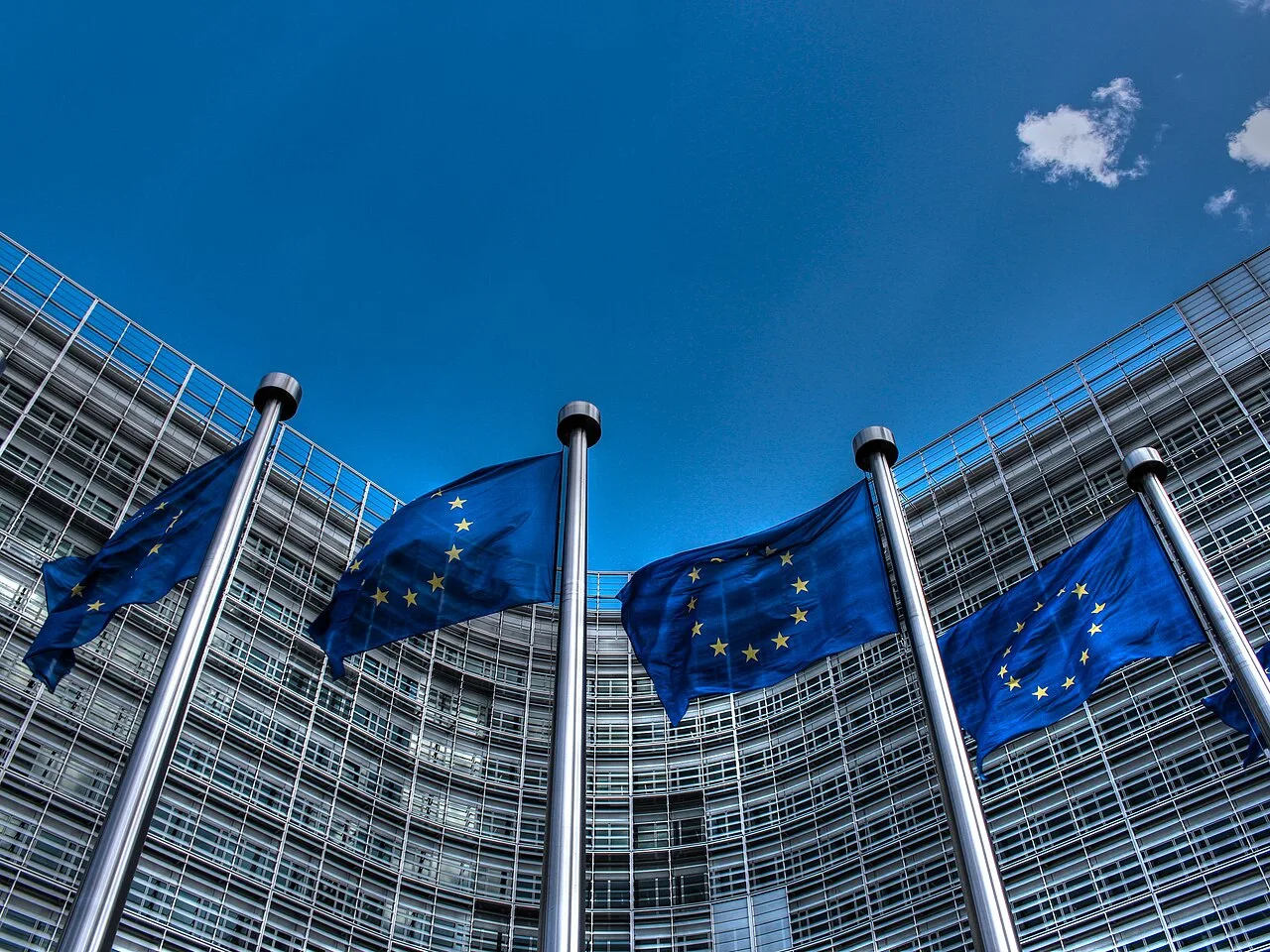
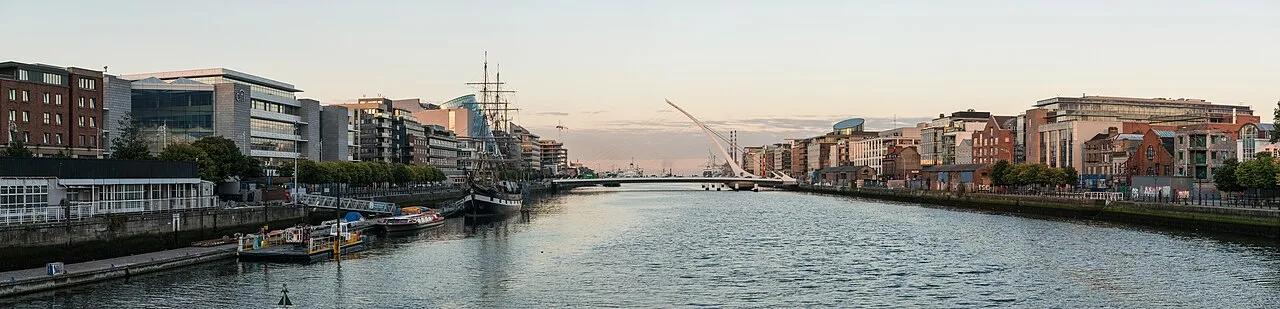
Europe will speak at the Ukraine peace talks through the EU institutions and five major military powers — Britain, France, Germany, Italy and Poland — European Council President Antonio Costa said in Dublin on Friday. The decision, reported by Reuters, the Associated Press and the Press Association, settles months of wavering over who represents Europe. It does not settle whether Europe will be admitted: US envoy Jared Kushner said President Vladimir Putin was willing to give European participation a try, but Kremlin spokesman Dmitry Peskov said on Friday that no decision could be made until Europe shows its willingness to contribute to the peace process, CNN and Reuters reported.
What did the Dublin summit decide?
It decided on a team, not a single envoy. "Europe must speak with one clear voice and united voice in all discussion that shape the future of Ukraine and the security of our continent. And this is ultimately a team effort," Costa, who chairs EU summits, told a press conference, according to Reuters. The five are members of the Coalition of the Willing that backs Ukraine, and the team format is what lets non-member Britain take part, the AP reported. EU officials said the representatives were likely to be national security advisers from the five powers, plus delegates from the European Commission and the European Council, and that NATO was also expected to be represented, Reuters reported. European Commission President Ursula von der Leyen defended the decision: "To be very clear, we decide on who represents us, and that's what we've done today," the Press Association reported.
Who challenged the team decision?
The EU's own foreign policy chief did, over her place in it. Kaja Kallas laid claim to the envoy role on Friday, saying, "I'm the one who is representing Europe in the foreign and security policy," and citing a 2024 leaders' decision on representation, the AP and the Press Association reported. "I know that the Russians don't want me, but do we have a say, who is representing Russia?" she said, according to the AP. Asked whether selecting other representatives undermined Kallas, Costa said there was a need to "work as a team," the Press Association reported. Supporters of a single envoy, such as Italian Prime Minister Giorgia Meloni, had argued that the absence of a united European voice allowed freelance diplomacy, the AP reported — and Peskov had needled the Europeans on Thursday, saying they "squabble like spiders in a jar" and should name a representative.
Has Russia agreed to admit the European team?
That remains disputed, and it is the limit on Friday's decision. Kushner and President Volodymyr Zelenskyy said after meeting in Dublin late on Thursday that Europe would be part of the next round; Zelenskyy said Europe would send a negotiating team and "they will have a voice," the AP and CNN reported. In Moscow, however, Peskov conditioned admission on Europe showing a genuine intention to contribute to peace, Reuters reported, and Russian officials have called for a broad agreement on Europe's security architecture before the war's specifics are addressed. Europe's leaders rejected that sequencing in Dublin: Chancellor Friedrich Merz called the Kremlin's comments "the same old game" and said there was no need to talk about European security architecture — "We have that already" — while Kallas said such discussions threatened to divert attention from a ceasefire and Latvian Prime Minister Andris Kulbergs called them "a trap," Reuters reported. Representatives from Britain, France, Germany, Italy and the EU attended this week's Abu Dhabi talks, where Moscow and Kyiv cited some progress but no breakthrough on territory, Reuters reported.
Sources: Reuters (Dublin wire, 13 November 2026, read in full via the rostered 985theriver.com Reuters carrier); Associated Press (Dublin report, 13 November 2026, read in full via the reflector.com AP carrier); Press Association (13 November 2026, read in full via the rostered Glasgow Times PA carrier); CNN (13 November 2026, read in full on cnn.com). The team decision itself — EU institutions plus Britain, France, Germany, Italy and Poland — is carried in the same terms by Reuters, the AP and the Press Association from Costa's own Friday statements in Dublin. Whether Russia has agreed to admit Europeans to the next round is contested: the US envoys' account (Putin willing to try, per Kushner via the AP and CNN) and the Kremlin's Friday position (no decision until Europe shows readiness to contribute, per Peskov via Reuters and CNN) are published side by side, per this site's two-source rule for contested claims. No market snapshot box is included: no source opened for this article attributed a market move to the Dublin decision.